Apple Card’s AirPods Pro Incentive: A Strategic Play for Ecosystem Deepening
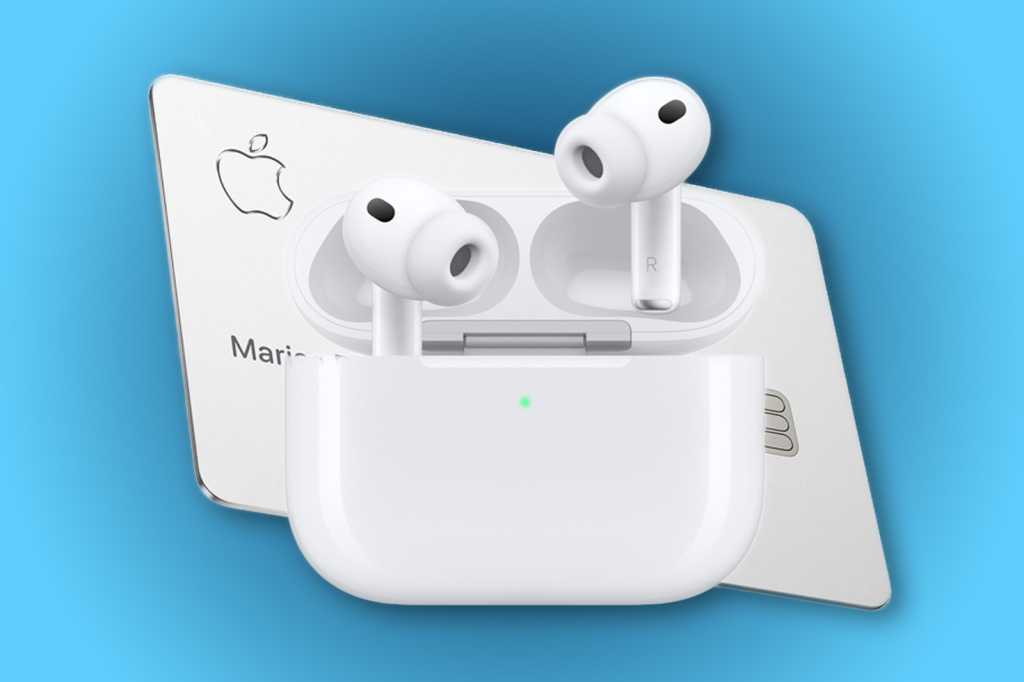
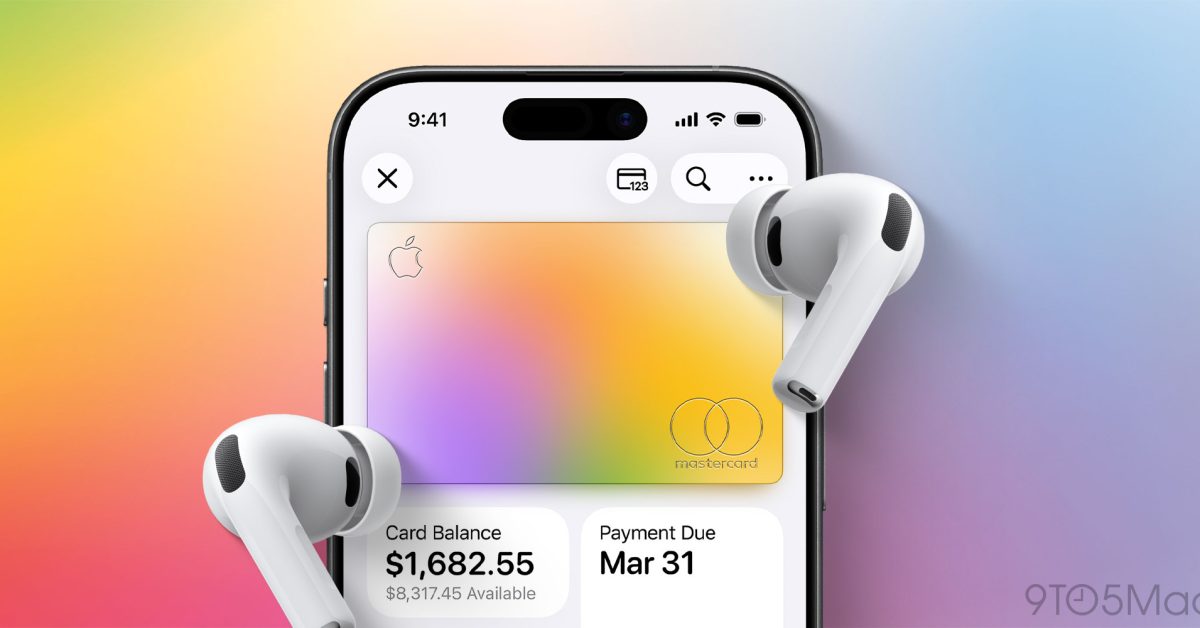
Apple has launched its most compelling Apple Card acquisition incentive yet: a conditional ‘free’ AirPods Pro 3 offer. This strategic maneuver targets new cardholders, requiring them to apply, secure an Apple Card account, purchase the AirPods Pro 3 directly from Apple by June 15, and then earn back up to $250 in Bonus Daily Cash. This reimbursement mechanism effectively covers the device’s cost (excluding taxes), signaling a deliberate, aggressive strategy to expand the Apple Card user base and deepen its integration within the broader Apple ecosystem.
Behavioral Economics: Cultivating Consistent Engagement
This isn’t a simple upfront bonus; it’s a meticulously engineered behavioral incentive. The reimbursement model is spread over 10 months, contingent on cardholders making at least 10 purchases each month starting July 1, earning $25 Bonus Daily Cash per month until April 30, 2027. This transforms the offer into a powerful tool for cultivating consistent card usage. Apple isn’t just acquiring accounts; it’s actively molding financial habits, aiming to embed Apple Card as the top-of-wallet choice for daily transactions.
The 10-purchase minimum acts as a critical behavioral anchor, designed to incentivize micro-transactions and boost overall transaction volume. This structured approach mitigates the risk of dormant accounts often seen with large, unconditional bonuses. By fostering consistent activity, Apple secures a more engaged and potentially higher customer lifetime value (CLV) base, simultaneously generating critical anonymized data on spending patterns within its integrated Apple Pay and Apple Card ecosystem. The specific exclusion of family member transactions further refines this behavioral targeting, ensuring required activity originates from the primary cardholder.
Financial & Operational ROI: Maximizing Lifetime Value
From a financial perspective, the promotion represents a significant upfront investment of up to $250 per new cardholder. However, this cost is strategically offset by the anticipated surge in high-margin interchange fees from increased transaction volumes and the potential for interest income from new card accounts. These recurring revenue streams contribute significantly to Apple’s services division, bolstering its revenue diversification goals.
The operational demands of precisely tracking monthly purchase counts and disbursing Bonus Daily Cash underscore the sophistication and scalability of Apple’s financial services infrastructure. This robust backend capability is vital for managing intricate, conditional loyalty programs, ensuring timely reimbursements, and sustaining user trust – paramount in financial relationships. The integration of hardware sales (AirPods Pro 3) with financial services (Apple Card) demonstrates a deliberate cross-pollination strategy, aiming to increase average revenue per user (ARPU) by encouraging simultaneous adoption of both physical products and digital services. The strategic exclusion of existing Apple Card holders, despite potential minor dissatisfaction, unequivocally signals a primary focus on aggressive new customer acquisition and market share expansion.
Competitive Disruption & Market Convergence
The Apple Card’s aggressive, no-annual-fee sign-up bonus directly challenges established norms in the credit card industry, where many traditional issuers offset substantial incentives with recurring annual fees. This enhances Apple’s perceived value proposition for consumers, intensifying competition within the consumer credit market. Traditional banks and FinTech companies are compelled to re-evaluate their customer acquisition strategies in response to Apple’s disruptive offers.
This promotion highlights Apple’s strategic intent to solidify its position in the financial services sector, actively issuing credit and managing consumer financial relationships rather than merely facilitating payments. This expansion blurs the lines, demonstrating the ongoing convergence between technology companies and traditional financial institutions. By leveraging its vast installed base of hardware users, Apple possesses a unique competitive moat in customer acquisition that traditional banks cannot easily replicate. The seamless integration of Apple Card with Apple Pay and other Apple services creates a compelling, friction-reduced user experience that fosters loyalty and sustained engagement, effectively lowering switching costs for consumers.
Consumer Experience, Transparency & Breakage Risk
While the initial appeal of ‘free’ AirPods Pro 3 is powerful, the detailed redemption process introduces a layer of cognitive load and behavioral adjustment for consumers. The necessity of making 10+ purchases monthly for an extended period requires active management, presenting a trade-off between perceived value and sustained effort.
The distinction between the headline ‘free’ offer and the conditional reimbursement mechanism is a critical point for consumer education and transparency. Clear communication of promotional terms is paramount to managing customer expectations and mitigating potential dissatisfaction or reputational risk if conditions are not fully met. This context introduces the concept of ‘breakage’ – the portion of incentives that go unclaimed due to consumers failing to meet all conditions. While Apple benefits from increased engagement, some users may not complete the full 10 months of required activity, resulting in partial reimbursement and a lower effective cost for Apple, underscoring the shrewdness of this incentive design.
Services Ecosystem Imperative & Data Monetization
This promotion is not an isolated marketing tactic but an integral component of Apple’s broader strategy to accelerate revenue diversification and reduce reliance on hardware sales. The services division, including Apple Card, is a key growth engine providing predictable, recurring revenue highly valued by investors, enhancing Apple’s financial stability and investor confidence.
By driving adoption and consistent usage of Apple Card, the company strengthens its overall services portfolio, contributing to a virtuous cycle of engagement and increased customer lifetime value across its entire ecosystem. The anonymized and aggregated data generated from increased Apple Card usage offers invaluable insights into consumer spending habits, informing future product development, targeted marketing efforts, and the refinement of existing services, thereby creating a significant data-driven competitive advantage. Furthermore, the promotion enhances the ‘stickiness’ of the Apple ecosystem, as deeply embedding users’ financial lives within Apple’s services increases switching costs, making them less likely to transition to competing platforms or devices. This underscores Apple’s ambition to become a comprehensive lifestyle platform, with Apple Card being a pivotal piece in this expanding service mosaic.
Regulatory Compliance & Brand Stewardship
Promotions that utilize terms like ‘free’ while stipulating conditional actions often attract scrutiny from consumer protection agencies. While no specific regulatory actions related to this offer are detailed, companies operating in the financial services sector are consistently expected to provide clear and unambiguous terms. The fine print, clarifying the reimbursement mechanism and behavioral requirements, is crucial for compliance with advertising standards. The explicit statement that users ‘earn back the cost’ rather than receiving the item upfront is a key distinction in managing legal and reputational risk.
Maintaining absolute transparency regarding all conditions, such as the purchase deadline and the monthly transaction minimums, is essential for fostering consumer trust. Any perception of misleading advertising, even if unintended, can have significant reputational consequences for a brand like Apple. The financial industry operates under stringent disclosure requirements, and while Apple Card is a tech product, its core function as a credit card places it firmly under the purview of financial regulations. This necessitates careful crafting of promotional language and clear communication of all terms and conditions, balancing aggressive marketing with robust consumer protection.
Future Trajectory: Apple as a Lifestyle Platform
The Apple Card AirPods Pro promotion exemplifies a growing trend among tech giants to leverage their existing customer bases and ecosystem strengths to enter and disrupt traditional industries. This strategy creates new avenues for revenue growth and customer lock-in, driven by a future of digital convergence and sophisticated platform economics. As Apple continues to expand its services offerings, promotions like this will likely become more sophisticated, integrating various hardware and software components to create compelling, interconnected value propositions.
This signals a future where the lines between tech, retail, and finance become increasingly blurred. The success of such initiatives will depend not only on the initial appeal but also on the seamlessness of the user experience and the perceived long-term value. Apple’s ability to execute on these fronts will dictate its continued trajectory in the competitive financial services landscape. Ultimately, this promotion is a testament to Apple’s evolving business model, prioritizing recurring service revenue and deep customer engagement as foundational pillars for sustained growth. It represents a calculated step in transforming its user base into a loyal, financially integrated lifestyle ecosystem.