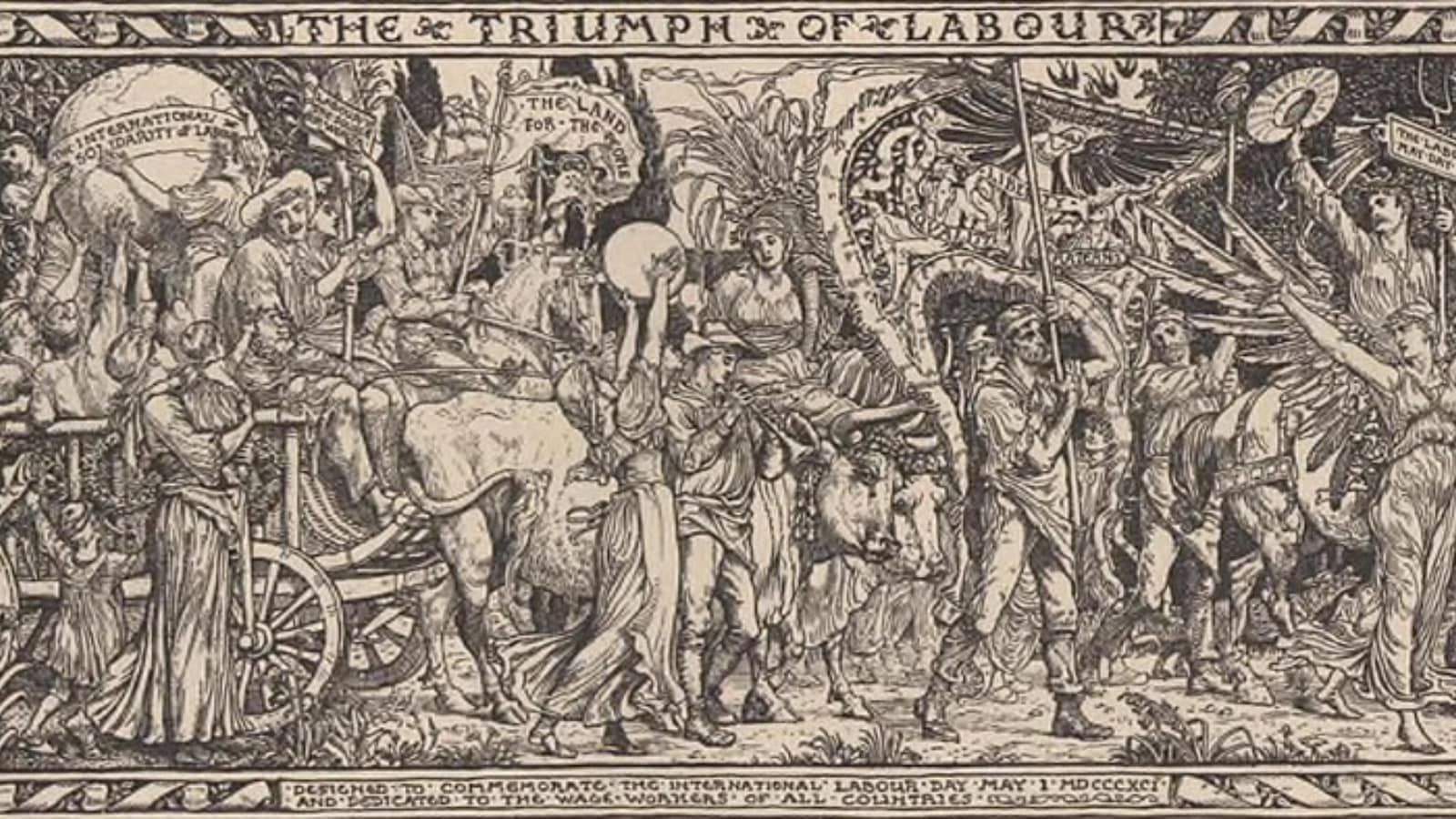
The Genesis of International Workers’ Day
Globally recognized as International Workers’ Day or May Day, this observance stands as a testament to the enduring struggles and advancements of the laboring class. Its origins are deeply rooted in the arduous conditions of the industrial era—a period marked by excessive working hours, hazardous environments, and meager compensation—solidifying its place as a potent symbol of collective action and progress for workers worldwide.
The observance traces its lineage to the burgeoning labor movement of the late 19th century, a pivotal era where workers campaigned for reduced working hours, seeking to transition from up to 20-hour workdays to a more humane eight-hour standard. These demands, coupled with persistent calls for improved wages and safer working conditions, culminated in a significant union-backed initiative to designate May 1, 1886, as a day for a general strike aimed at enforcing the eight-hour workday.
This foundational movement gained international traction, leading to the first global observance of May Day four years after the pivotal 1886 strike. This widespread adoption underscored the transnational nature of labor solidarity and the shared aspirations for dignity and fair treatment among working populations across nations.
Global Recognition vs. National Specificity
While May Day is a widely acknowledged holiday in numerous countries, including significant industrial and developing economies, its federal status within the United States presents a distinct divergence. The U.S. officially observes Labor Day on the first Monday of September, a separate commemoration that, while sharing thematic links to workers’ rights, operates on a different calendrical and historical trajectory.
This distinction in federal recognition highlights varying national approaches to commemorating labor history. The U.S. choice of a September date for its Labor Day, established in 1894, reflects a different historical context and political compromise compared to the international adoption of May 1, which emerged directly from the global socialist and labor movements’ push for the eight-hour day.
The divergence in holiday timing can influence public perception and the scale of organized observances. While May Day might see significant international participation and historical reflection, the U.S. federal Labor Day likely garners broader domestic attention and commercial engagement, shaping how workers’ rights are integrated into the national consciousness.
The Enduring Symbolism of May Day
May Day transcends its historical origins to serve as a continuous platform for advocating workers’ rights and addressing contemporary labor challenges. Its legacy is intrinsically linked to the historical sacrifices made by laborers who championed fundamental improvements, fostering ongoing solidarity and collective empowerment.
The annual observance, through rallies, educational events, or public discourse, reminds societies of the foundational role labor plays in economic and social structures. It provides an opportunity to reflect on progress achieved and to identify persistent inequalities or emerging issues requiring continued attention and advocacy from labor organizations and policymakers.
This enduring symbolism ensures May Day remains relevant not only as a historical commemoration but also as a dynamic forum for contemporary labor discourse. It prompts dialogue about fair wages, safe working conditions, and the evolving nature of work amidst technological advancements and global economic shifts, reinforcing its role as a critical touchstone for labor movements worldwide.
Strategic Implications for Labor Movements and Policy
The consistent global observance of May Day, irrespective of its federal holiday status in specific nations, underscores the persistent strategic importance of organized labor. For labor movements, May Day represents a critical annual opportunity to mobilize support, articulate demands, and exert political pressure on governments and employers, reinforcing their organizational capacity and public visibility.
The historical success of May Day in driving the eight-hour workday agenda demonstrates the leverage achievable through coordinated action. Contemporary labor movements leverage this precedent to frame current campaigns, whether for increased minimum wages, improved benefits, or protections against precarious employment, amplifying their messages through the date’s established symbolic power.
From a policy perspective, the global resonance of May Day serves as a constant reminder to governments of the ongoing need to address labor concerns. It can influence legislative agendas, encourage the review of labor laws, and prompt dialogue on social welfare policies, ensuring workers’ rights remain a salient issue in public policy discussions and international labor standards.
Capital, Labor, and the Shifting Economic Landscape
The historical context of May Day’s emergence, driven by the stark power imbalance between industrial capital and labor, continues to inform contemporary economic discussions. The persistent tension between maximizing shareholder value and ensuring equitable worker compensation remains a central dynamic shaping labor relations and economic policy.
Capital markets’ focus on efficiency and profitability often creates incentives for cost reduction, directly impacting labor. Understanding this dynamic is crucial for analyzing why labor movements continue to advocate for protections and fair distribution of economic gains, particularly in sectors experiencing significant technological disruption or globalization.
The capital movement towards automation and artificial intelligence presents new challenges and opportunities for labor. May Day observances can serve as a barometer for societal responses to these shifts, highlighting concerns about job displacement, the need for reskilling, and the potential for new forms of worker exploitation in the digital economy.
Performance Leverage and Stakeholder Incentives
The historical narrative of May Day is one of performance leverage, where workers collectively withheld labor to achieve specific improvements—shorter hours, better conditions, and higher wages. This fundamental principle of labor negotiation remains a core strategic tool for unions and worker advocacy groups.
Stakeholder incentives are intricately linked to this dynamic. For workers, the incentive is direct: improved livelihoods and working conditions. For employers, it can be complex, balancing labor concession costs against the benefits of a stable, motivated workforce and avoiding disruptive industrial action. For governments, the incentive is to maintain social stability and economic productivity, often requiring a mediating role between capital and labor.
The effectiveness of labor’s performance leverage is often measured by its ability to influence business bottom lines and government policy decisions. May Day provides a recurring opportunity to demonstrate this leverage, influencing investor sentiment, consumer perception, and regulatory frameworks that impact corporate performance and capital allocation.
Competitive Implications and Industry Positioning
The enduring advocacy surrounding May Day has significant competitive implications for industries and firms. Companies proactively addressing labor concerns, fostering positive employee relations and fair compensation, can gain a competitive advantage through enhanced productivity, reduced turnover, and stronger brand reputation.
Conversely, industries or companies perceived as exploiting labor or resisting fair treatment face reputational damage and potential regulatory scrutiny, negatively impacting their market position and access to capital. The global nature of supply chains means that labor practices in one region can have ripple effects across a company’s entire competitive landscape.
Labor movements often target specific industries or corporations during May Day observances to highlight systemic issues. This strategic focus can pressure competitors to adopt similar labor standards, leveling the playing field and preventing a race to the bottom on worker welfare, ultimately influencing industry-wide operational and strategic decisions.
Exposure and Downstream Effects on Markets and Institutions
May Day observances, particularly when accompanied by significant protests or strikes, can expose vulnerabilities within economic systems and corporate structures. Such events can disrupt supply chains, impact production schedules, and lead to immediate financial losses, affecting market performance and investor confidence.
The downstream effects extend to financial markets, where labor disputes can influence stock prices, bond yields, and currency valuations. Institutional investors, increasingly focused on Environmental, Social, and Governance (ESG) factors, closely monitor labor relations as a key indicator of corporate stability and long-term value, making May Day a focal point for assessing these risks.
Furthermore, May Day can influence regulatory bodies and international organizations. Increased public attention on labor issues can spur legislative action, prompt reviews of labor laws, and encourage the strengthening of international labor standards, impacting the operational frameworks and compliance requirements for businesses globally.
Capital Movement and Strategic Capital Allocation
The historical and ongoing discourse surrounding workers’ rights, amplified by May Day, influences capital movement and strategic capital allocation. Investors increasingly scrutinize how companies manage human capital, recognizing that fair labor practices can predict sustainable financial performance and reduced operational risk.
Companies demonstrating strong labor relations and a commitment to worker well-being may attract more patient, long-term capital, while those with a history of labor disputes or poor working conditions might face divestment pressures or higher costs of capital. This shift in investor sentiment is reshaping how capital is deployed across sectors.
The strategic allocation of capital within corporations is also affected. Investments in employee training, safety infrastructure, and fair compensation, while potentially increasing immediate costs, can be viewed as strategic investments yielding long-term returns through increased productivity, innovation, and brand loyalty, directly impacting a company’s competitive positioning and overall market valuation.
The Evolving Nature of Labor and Future Implications
As the global economy evolves, the core principles that gave rise to May Day—fairness, dignity, and equitable compensation—remain central, even as the nature of work transforms. The rise of the gig economy, remote work, and automation presents new challenges in defining and protecting workers’ rights, necessitating continuous adaptation by labor movements and policymakers.
The historical framework of May Day provides a crucial lens through which to examine these contemporary issues. It prompts questions about ensuring fair treatment and benefits for non-traditional workers, managing the societal impact of automation, and fostering inclusive economic growth in an increasingly digitalized world.
The continued global observance of May Day suggests that the fundamental need for collective bargaining and advocacy for worker welfare is unlikely to diminish. Its enduring relevance lies in its capacity to adapt and address the evolving challenges faced by labor in different economic and technological landscapes, ensuring it remains a vital platform for dialogue and action for generations to come.