Strategic Archetypes in Streaming Architecture
Netflix’s Unchosen functions as a calculated expansion into the psychological-dystopian subgenre, leveraging the structural mechanics of isolationist narratives to secure high-value viewer engagement. Under the creative direction of Julie Gearey, the series transcends the typical domestic thriller by delineating the friction between traditionalism and modern secularism through the lens of a cloistered sect. This strategic alignment mirrors the deployment of high-stakes narratives like The Handmaid’s Tale, targeting a demographic motivated by themes of systemic control and individual agency.
Creative Aetiology and Lived Experience
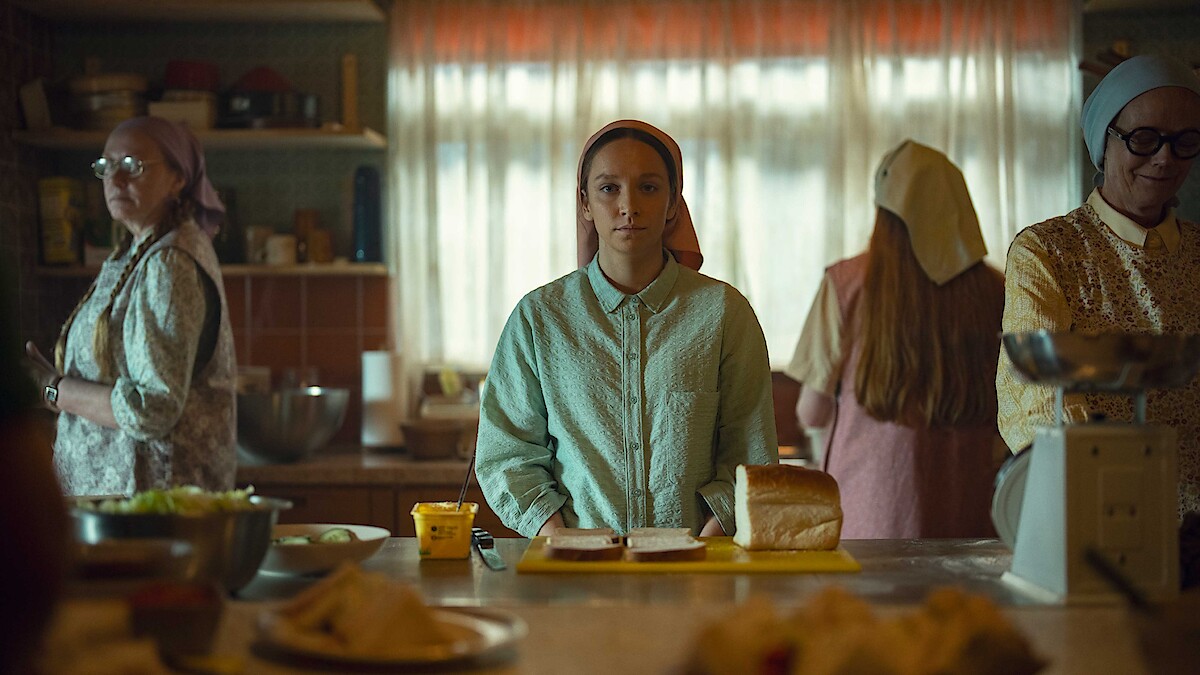
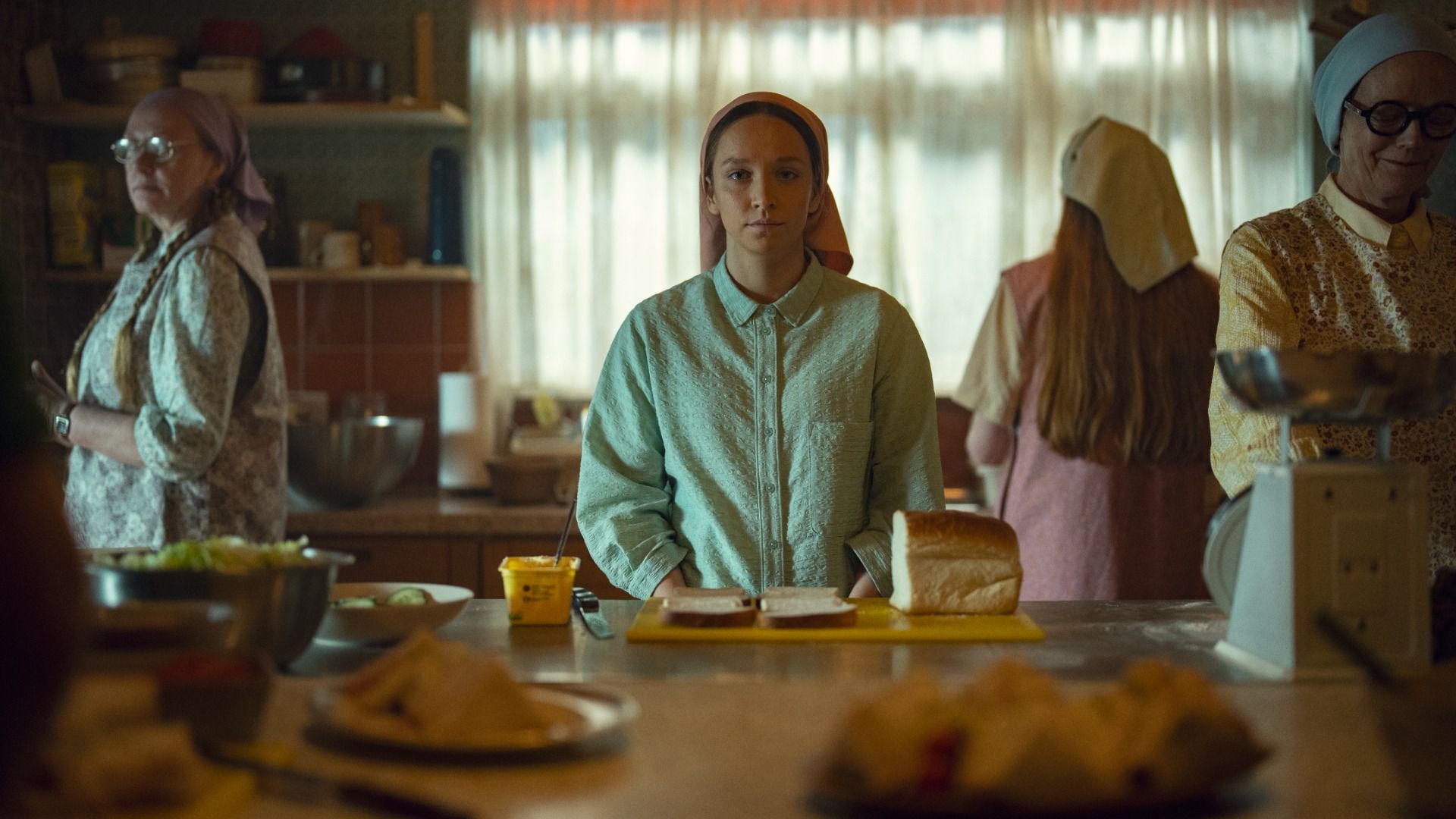
The genesis of Unchosen is rooted in a real-world observation of traditionalist communities, translated here into a multi-episode exploration of institutionalized secrecy. By centering the narrative on Rosie (Molly Windsor), the production provides an ethnographic perspective on the psychological toll of existing within a closed system. The intrusion of Sam serves as the necessary external catalyst, disrupting the social order of the Fellowship and exposing the fragility of its internal logic. This reliance on authentic survivor testimony adds a layer of institutional weight, validating the series as a socio-political commentary rather than mere entertainment.
Sociology of the Fellowship of the Divine
The Fellowship of the Divine serves as a microcosm of patriarchal hegemony, utilizing a binary theology of the ‘Chosen’ and the ‘Unchosen’ to enforce psychological compliance. The series meticulously deconstructs the mechanics of groupthink, showing how an initial appearance of egalitarian labor masks deeper systemic abuses. This facade is a classic narrative strategy designed to heighten the eventual revelation of the sect’s darker operational realities, providing the dramatic momentum necessary for a sustained multi-episode arc.
Casting Synthesis and Talent Leverage
The inclusion of Christopher Eccleston as Mr. Phillips is a strategic pivot, utilizing his established gravitas to project a dualistic leadership style. His performance oscillates between paternal warmth and cold institutional control, complicating the viewer’s perception of the cult’s moral center. Conversely, Asa Butterfield’s casting as Adam subverts his established screen persona, introducing a subtle, domestic menace that underscores the show’s exploration of private abuse within a public faith. Siobhan Finneran further anchors the ensemble, ensuring the series maintains the performance-driven depth required to compete in a saturated streaming market.
Narrative Catalysts and Systemic Conflict
The incident involving the near-drowning of Grace functions as the primary narrative inflection point, forcing the sect’s internal isolation to collide with external legal and moral scrutiny. This event initiates a dual-layered conflict: the macro-struggle against the Fellowship’s leadership and the micro-struggle of Rosie’s abusive marriage to Adam. The eventual rain-soaked resolution underscores the high cost of autonomy, reinforcing the series’ central thesis that liberation from coercive environments is rarely achieved without significant personal and social fallout.
Market Context and Cultural Resilience
Critical reception of Unchosen highlights the challenge of maintaining genre innovation within the cult-thriller archetype. While some critics identify derivative tropes, the show’s strategic value for Netflix lies in its ability to provoke discourse on religious extremism and survivor rights. By balancing operational realism—such as the specific theological jargon and shared labor rituals—with high-stakes drama, Unchosen secures its position as a significant entry in the lineage of feminist-leaning dystopian content, ensuring long-term retention through thematic density and performance excellence.