Strategic Consolidation of Hardware and Silicon
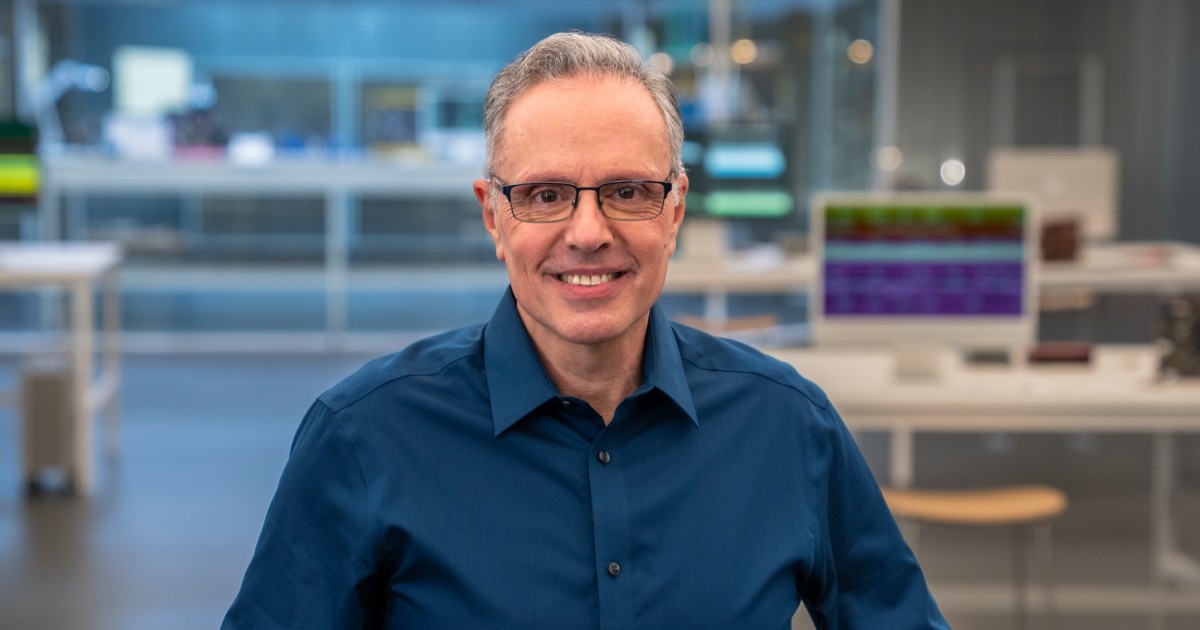
Apple’s appointment of Johny Srouji as Chief Hardware Officer signals a definitive shift toward total vertical integration. By merging the Hardware Technologies division with the broader Hardware Engineering organization, Apple is tightening the feedback loop between custom silicon development and physical device architecture. This structural unification aims to eliminate organizational siloes, ensuring that proprietary chip performance remains the primary differentiator for future hardware iterations.
Srouji’s tenure, marked by the successful transition to Apple Silicon, positions him to lead an engineering ecosystem where transistor-level design and final form factor are no longer treated as disparate development tracks. This nexus is crucial for maintaining Apple’s competitive moat in an era where component commoditization threatens to erode product premiums.
The Silicon-Hardware Nexus
Integrating chip design with hardware engineering addresses the latency issues inherent in complex, multi-layered R&D cycles. By aligning the teams responsible for the Apple Silicon roadmap with those managing physical integration, the company effectively reduces the time-to-market for hardware-software optimizations. This administrative alignment is calculated to protect Apple’s high margins by sustaining a performance lead that competitors struggle to emulate.
Institutional Continuity and Succession
This leadership evolution coincides with John Ternus’s transition to the CEO role, underscoring a long-term succession strategy. The partnership between Ternus and Srouji reflects Apple’s commitment to internal talent cultivation, prioritizing deep institutional knowledge over external disruption. This stability is the bedrock upon which the company has built its 50-year history, favoring iterative perfectionism and operational coherence over rapid, volatile shifts.
Fifty Years of Scaling Excellence
As Apple celebrates its 50th anniversary, the transformation from a boutique hobbyist startup to a global industrial behemoth highlights the evolution of its corporate DNA. Moving beyond the era of hand-assembled prototypes to a sophisticated, global supply chain, Apple has institutionalized its capacity for scale. The retention of core engineering talent remains central to this longevity, ensuring that multi-year, complex roadmaps are executed with granular precision despite the company’s massive size.
Market Leverage and Future Viability
Apple’s ability to generate sustained, industry-leading profitability is a function of its disciplined hardware-centric strategy. By centralizing leadership under Srouji, Apple seeks to optimize the synergy between its silicon performance and device architecture. This move is a strategic imperative to navigate an increasingly saturated global market. As the company enters its next half-century, the efficacy of this centralized structure will be the primary determinant of its ability to command premium pricing and maintain its status as an innovation leader.