Formal Charges and Legal Proceedings
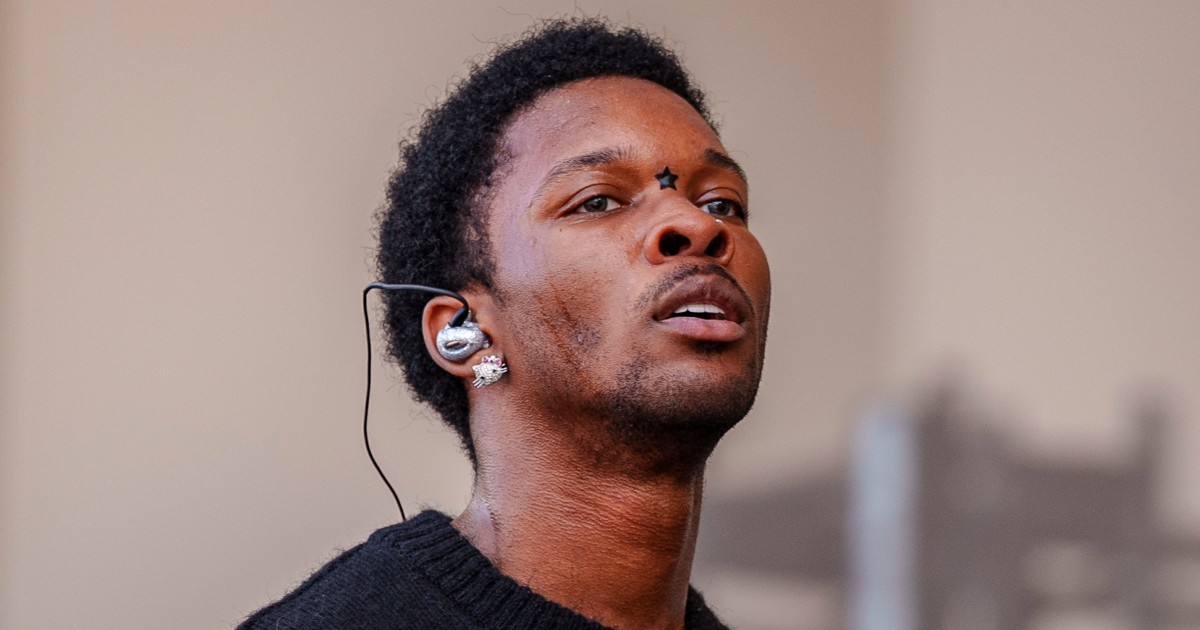
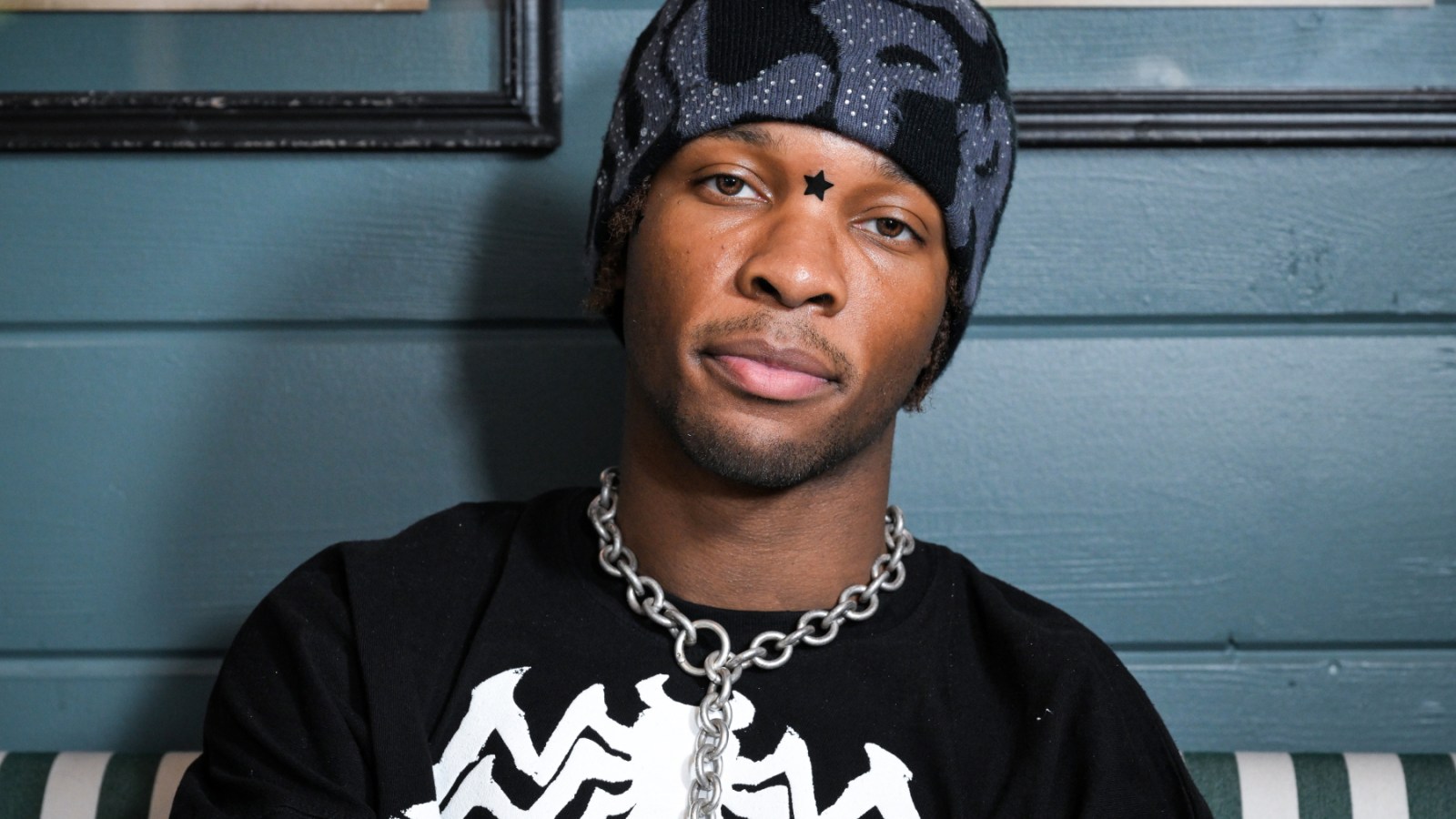
The Los Angeles County District Attorney’s Office has formally charged David Anthony Burke, a 21-year-old musician known as D4vd, with first-degree murder. The indictment follows a comprehensive investigation into the death of 14-year-old Celeste Rivas Hernandez. District Attorney Nathan Hochman confirmed that the charges include counts of lewd and lascivious acts with a minor under 14 and the mutilation of human remains, underscoring the severity of the evidence recovered.
Prosecutorial Strategy and Special Circumstances
The prosecution has invoked special circumstance enhancements, including lying in wait, witness elimination, and murder for financial gain. These factors elevate the case to a potential capital offense. By citing the murder of a witness, the state alleges an intent to obstruct justice, a critical component of the prosecution’s strategy to demonstrate premeditation and criminal intent under California law.
Evidence and Investigative Timeline
The investigation originated in September when authorities recovered an abandoned Tesla registered to Burke. Forensic units discovered the victim’s remains within the vehicle’s front trunk while it was in police impound. This discovery shifted the inquiry from a missing persons case to a homicide investigation, requiring extensive forensic analysis to link the defendant to the crime scene.
Judicial Implications and Public Impact
This high-profile prosecution serves as a test for the application of special circumstance enhancements in crimes involving minors. Legal experts are closely monitoring the procedural developments as the case moves toward arraignment. The defense’s response, alongside the court’s eventual ruling on the death penalty, will establish significant legal benchmarks for how the justice system addresses violent crimes involving public figures.
Analysis of Legal Precedent
The prosecution’s multi-faceted approach, covering sexual misconduct and the destruction of evidence, aims to ensure accountability for the full breadth of the alleged criminal acts. The case requires rigorous coordination between law enforcement and the DA’s office to maintain evidentiary integrity. As the trial progresses, the transparency of these proceedings remains vital to public confidence in the judicial process.