Elite Performance and Sponsorship Dynamics
The 130th running of the Boston Marathon serves as a case study in the evolving commercial strategies of major sporting events, where elite athletic achievement is carefully balanced with strategic marketing and high-profile participation. Sharon Lokedi’s second consecutive victory in the women’s elite race was more than just a win; it represented a significant return on investment (ROI) for sponsors. Consistent performance and repeat victories like Lokedi’s enhance an athlete’s commercial leverage by offering predictable market validation. Her near-record time validates her status as a top-tier athlete and reinforces a narrative of sustained dominance, which is highly sought after by corporate partners seeking reliable brand alignment.
Lokedi’s performance also highlights the critical role of technology in modern sponsorship. The source notes Lokedi wore “new pink sneakers,” a detail that points directly to the competitive technological arms race among athletic apparel companies. In elite racing, performance gains are often tied to technological innovation, particularly carbon-plated racing shoes. An athlete’s success effectively serves as a high-visibility, real-world validation of a sponsor’s product technology. This creates a feedback loop where brand investment supports elite performance, and elite performance drives product value, making consistency in victory paramount for a brand’s marketing efforts.
Strategic Segmentation through High-Profile Participation
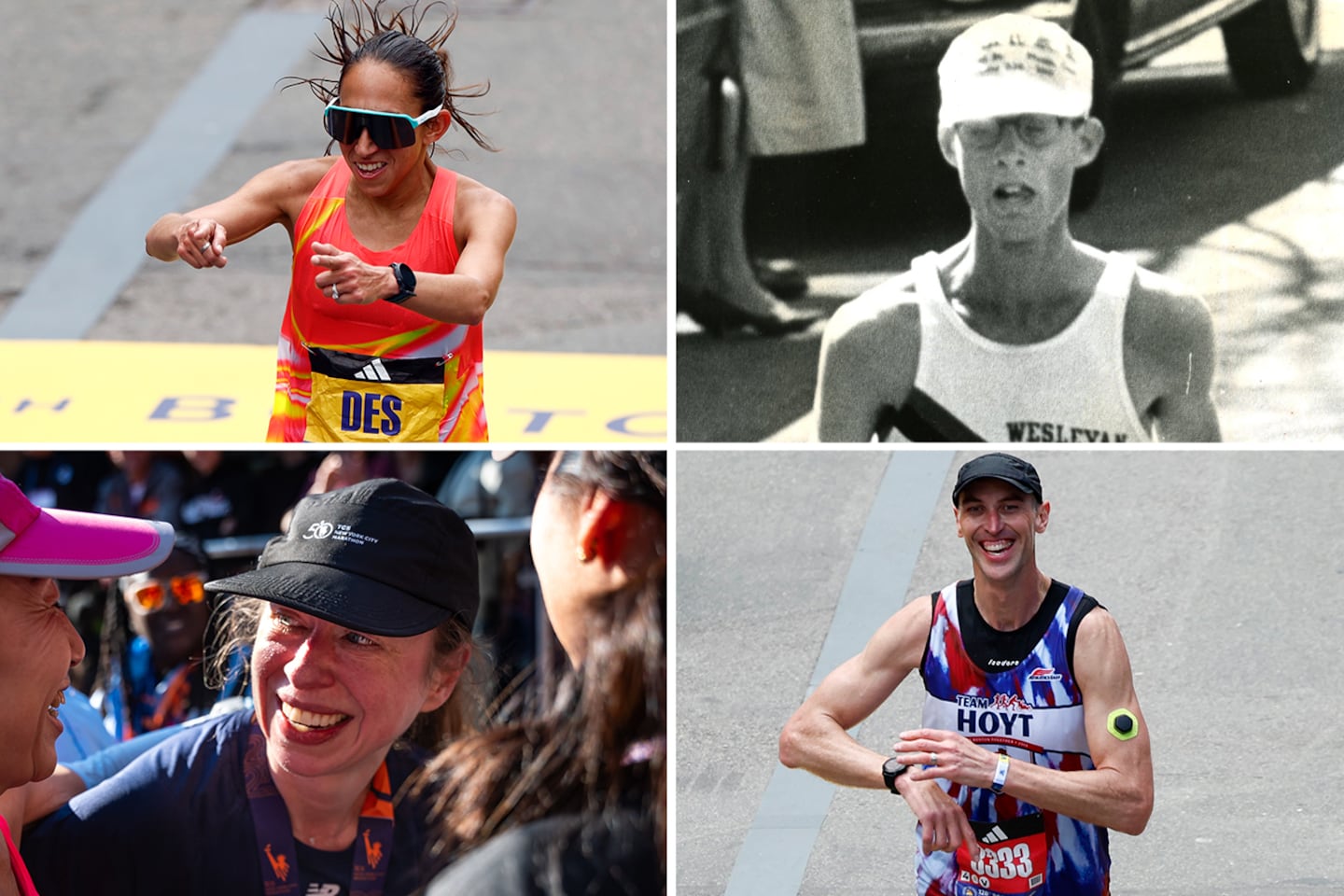
The 2026 Boston Marathon demonstrated a sophisticated dual strategy by deliberately attracting high-profile, non-elite participants alongside the professional field. The inclusion of figures like Chelsea Clinton and Zdeno Chara illustrates a strategic approach to market segmentation, broadening the event’s appeal beyond the core running community to secure comprehensive media coverage across different demographics.
Chelsea Clinton’s participation, her first in Boston, serves to attract a national audience interested in politics, philanthropy, and personal achievement. The source notes her qualifying time of 3:44:22, which maintains the integrity of the event’s stringent qualification standards while attracting significant media attention that might otherwise overlook the amateur field. Her involvement, particularly given her role with the Clinton Foundation, aligns with the philanthropic aspect of major marathons, appealing to a demographic that values social impact and personal milestones over elite competition. This strategy diversifies the event’s narrative, attracting sponsors interested in aligning their brand with broader cultural values.
Conversely, Zdeno Chara’s participation, running his third Boston Marathon, targets a specific regional market. As a former captain of the Boston Bruins, Chara appeals directly to the local fan base and generates regional media interest in sports and lifestyle sections. His involvement reinforces the event’s connection to local identity and community heroes. This two-pronged approach—Clinton for national relevance and Chara for regional loyalty—maximizes media exposure and provides a diverse value proposition for sponsors seeking different audience segments.
Event Economics and Legacy Branding
The media strategy surrounding the Boston Marathon relies heavily on its institutional legacy and its ability to simultaneously manage high-stakes elite competition and large-scale mass participation. With 30,000 participants, the event’s economic and logistical footprint is substantial. The long-term media coverage and historical significance, as noted by sources like reporter Alex Ashlock, reinforce the event’s status as a “fabled” race, distinguishing it in a competitive global market.
The integration of elite performance and celebrity participation creates a multi-layered value proposition for event sponsors. The narratives surrounding Lokedi’s dominance cater to serious sports fans, while the stories of Clinton and Chara appeal to broader pop culture and community-focused audiences. This strategic combination ensures maximum media exposure and commercial relevance, allowing the event to secure diverse revenue streams from media rights, entry fees, and corporate sponsorships. The financial and operational implications of managing such a large-scale event are substantial, requiring established institutional infrastructure and a sophisticated marketing strategy that maintains a balance between tradition, elite competition, and broad cultural relevance.
In summary, the 2026 Boston Marathon demonstrates how major sporting events leverage a combination of athletic excellence, celebrity engagement, and technological innovation to maintain market dominance. Lokedi’s performance validates the competitive integrity of the event and its sponsorship model, while the calculated inclusion of figures like Clinton and Chara ensures broad cultural relevance and economic diversification. The interplay between these elements creates a robust commercial ecosystem that sustains the event’s legacy and financial viability in a highly competitive global sports market.