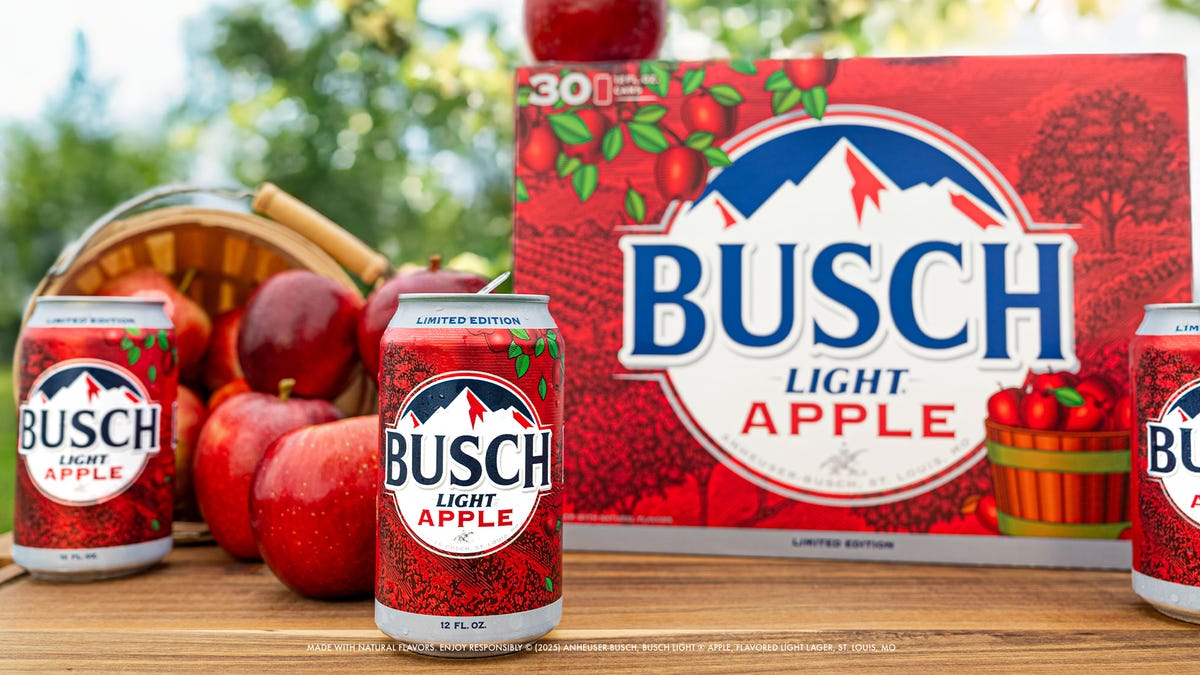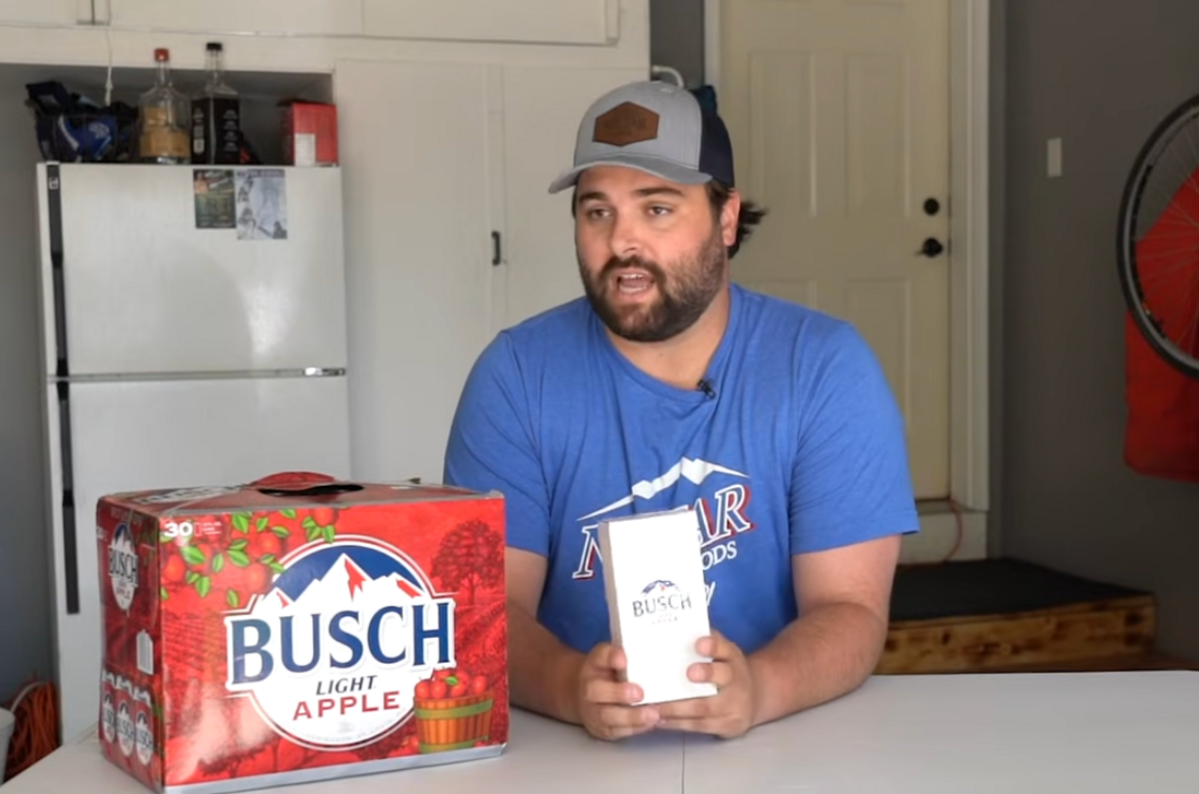
The scheduled reintroduction of Busch Light Apple in April 2026 exemplifies a sophisticated execution of asymmetric portfolio management. By pivoting from its 2023 discontinuation to a high-velocity, event-based model, Anheuser-Busch is utilizing intentional scarcity to optimize retail sell-through and heighten consumer urgency.
Data-Driven Velocity and Revenue Impact
Anheuser-Busch’s decision to greenlight a 2026 rollout is rooted in the record-breaking performance of the 2025 release. During May 2025, the product moved 1.2 million cases, outperforming every other brand in the company’s portfolio for that 30-day window. This velocity suggests that the Limited-Time Offering (LTO) framework generates higher immediate capital movement than a permanent SKU, which often suffers from lifecycle fatigue.
Tactical Seasonal Disruption
Launching in late April represents a calculated departure from beverage industry traditionalism. While apple-flavored profiles are historically reserved for autumn, Anheuser-Busch is capturing the early spring and summer demand curve. This shift effectively occupies a market gap, providing a fruit-forward alternative during a period of low competition from traditional cideries and seasonal competitors.
Operational Logistics and Distribution Friction
The 2026 release avoids a synchronized nationwide launch, opting instead for a decentralized distribution pattern. This introduces ‘distribution friction,’ where local inventory availability is dictated by regional supply chain speeds. From a strategic standpoint, this friction increases the perceived value of the product; fans actively monitor social media and corporate trackers, transforming a standard purchase into a coordinated ‘search event’ that reinforces brand engagement.
Regional Case Study: The Treasure Valley Demand
The Boise metropolitan area serves as a primary indicator of localized demand intensity. In regions like Idaho’s Treasure Valley, the concentration of brand loyalists creates an immediate supply vacuum. By maintaining tight inventory controls in these high-demand zones, Anheuser-Busch ensures the product remains a high-velocity asset that minimizes shelf-life overhead while maximizing retail foot traffic.
The ‘Bapple’ Identity and Consumer-Led Branding
The organic adoption of the ‘Bapple’ nickname highlights a significant gain in brand equity. Anheuser-Busch has formally integrated this consumer-led nomenclature into its marketing communications, aligning corporate strategy with community language. This synergy strengthens the product’s position against competing flavored malt beverages (FMBs) and ensures rapid inventory depletion upon arrival.
Conclusion: Validating the Event-Based Lifecycle
The trajectory of Busch Light Apple—from its 2020 debut to its current status as a recurring event—provides a blueprint for modern beverage marketing. The 2026 release is a critical test of whether artificial scarcity can sustain long-term growth. If sales match the 2025 benchmark, it will confirm that a managed discontinuation-and-revival cycle is more profitable for niche products than a standard, permanent retail presence.