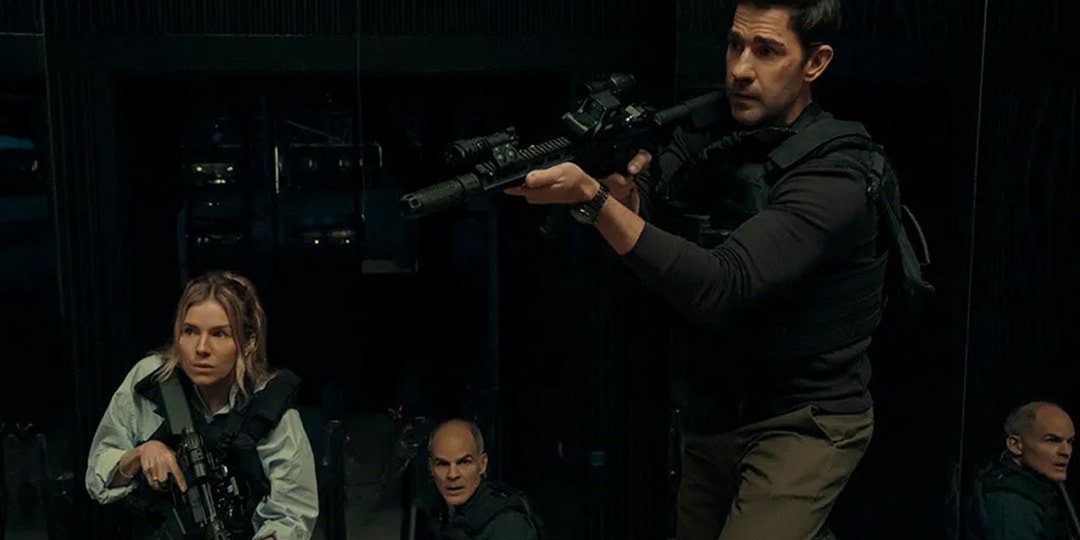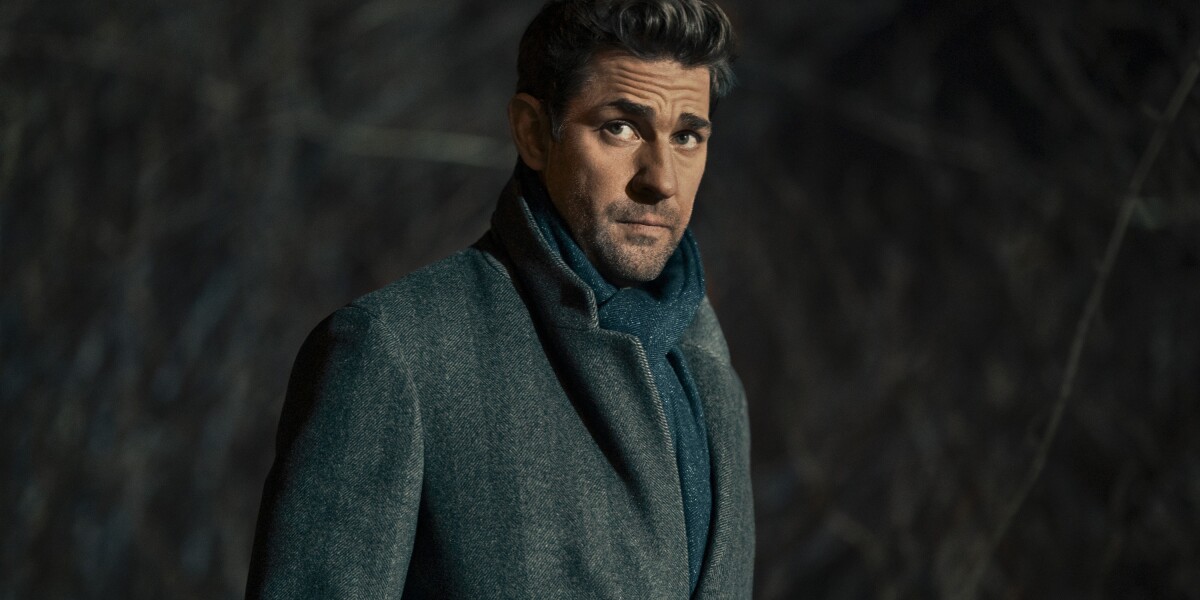
The evolution of the Jack Ryan franchise from an episodic procedural to the standalone feature film Ghost War represents a calculated shift in Prime Video’s content architecture. By condensing the narrative into a cinematic format, Amazon MGM Studios is prioritizing high-density storytelling over the expansive subplots of previous seasons. This transition reflects a move toward high-stakes, event-driven programming designed to maximize global viewership and production value in a single, concentrated release.
Set for a worldwide premiere on May 20, 2026, Tom Clancy’s Jack Ryan: Ghost War will be deployed across 240+ countries. This distribution scale leverages Prime Video’s institutional reach, using the film as a flagship asset to drive platform engagement. The move to a feature-length runtime allows for more aggressive capital allocation toward set-piece choreography and visual fidelity, aiming to bridge the gap between streaming originals and theatrical-grade thrillers.
Multilateral Espionage: The MI6 Integration
The introduction of Sienna Miller as Emma Marlowe, a sophisticated MI6 operative, expands the franchise’s geopolitical framework beyond domestic CIA interests. This partnership signifies a strategic shift toward multilateral intelligence narratives, introducing institutional friction between Ryan’s methodology and the operational protocols of the British Secret Intelligence Service. Marlowe serves as a strategic foil, complicating the established synergy between Ryan and his long-standing allies.
The return of Wendell Pierce (James Greer) and Michael Kelly (Mike November) provides the necessary institutional continuity. While Marlowe represents the new international variable, Greer and November anchor the film in the battle-tested reality of the CIA’s operational wing. Their presence ensures that the core interpersonal dynamics—built over four seasons—remain the emotional foundation of the film’s narrative stakes.
Tactical Narrative: The Real-Time Countdown
Directorial vision under Andrew Bernstein introduces a significant tonal shift via a real-time countdown. This temporal constraint serves as a tactical narrative device, stripping characters of the luxury of long-term strategic deliberation. For Jack Ryan, this environment accelerates his transformation from a methodical analyst into an instinctive operator forced to manage an immediate, cascading crisis.
The plot is catalyzed by the catastrophic failure of a clandestine global assignment. Unlike previous seasons where threats emerged gradually, Ghost War begins in the aftermath of a compromised operation, leaving assets exposed and intelligence networks fractured. This failure creates a narrative of vulnerability, focusing on the human and professional cost of espionage when the official safety nets have been eradicated.
Vertical Integration and the Tom Clancy Ecosystem
The release of Ghost War is a masterclass in cross-platform synergy within the Amazon ecosystem. By aligning the film’s launch with the promotion of Tom Clancy’s literary catalog on Kindle and Audible, Prime Video creates a unified monetization loop. This vertical integration targets both the legacy literary audience and the modern streaming demographic, consolidating the IP as a central pillar of the platform’s subscription value.
Ultimately, Jack Ryan: Ghost War is more than a sequel; it is a test of the franchise’s durability in a cinematic format. By blending visceral, real-time pacing with the nuanced world of international intelligence, Bernstein and Krasinski aim to redefine the modern espionage thriller for a global digital audience.