The Olmsted County Tornado: A Case Study in Systemic Vulnerability
The severe weather event that struck Olmsted County, Minnesota, resulted in significant property damage and exposed critical operational dynamics in local disaster response. While the immediate focus centered on immediate safety, the broader implications highlight systemic challenges in resource allocation, infrastructure resilience, and the financial mechanisms underpinning community recovery. This analysis focuses on the operational bottlenecks, economic impact, and governance challenges revealed by the incident.
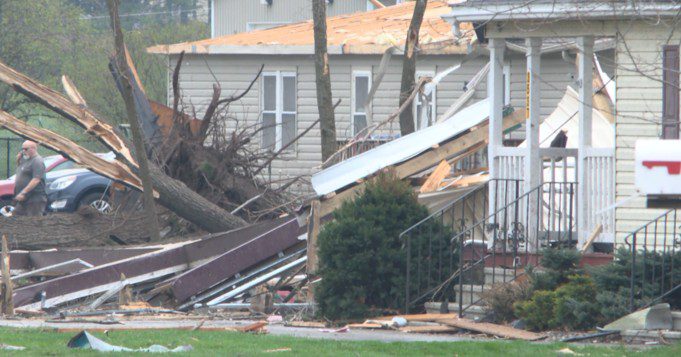
The incident, which saw numerous tornadoes touch down across southeast Minnesota, caused extensive damage in areas like Plainview and Marion Township. The Olmsted County Sheriff’s Office reported significant damage to approximately 30 homes, with 12 sustaining major structural impact. This concentration of damage within specific townships triggers immediate financial and logistical challenges for local authorities and property owners, necessitating a rapid shift from emergency response to long-term recovery planning.
Operational Bottlenecks and Resource Deployment Analysis
The response to the severe weather event in Olmsted County highlighted both the efficiency of established protocols and specific operational bottlenecks. The immediate actions by the Olmsted County Sheriff’s Office, including securing damaged areas and conducting door-to-door assessments, demonstrated effective first-line response protocols. However, the operational strain on emergency services was evident in the directive issued by the Sheriff’s Office, urging residents not to contact law enforcement regarding property damage.
This instruction, intended to keep emergency lines open for urgent needs, reveals a common challenge during high-impact events: the rapid saturation of communication channels. It underscores the need for alternative reporting mechanisms for non-life-threatening property claims to ensure critical resources are not diverted from immediate safety concerns. The rapid deployment of resources by organizations like the American Red Cross and the establishment of a temporary shelter at Autumn Ridge Church further illustrate the community response model.
The fact that no residents utilized the temporary shelter, as reported by local media, provides insight into the behavioral dynamics of disaster response and resource allocation efficiency. While a positive sign of community resilience and self-sufficiency, it also raises questions about optimizing resource deployment models. The over-provisioning of shelter services in this instance suggests a need to refine real-time needs assessment to better match resources to demand, ensuring future efforts avoid inefficient allocation.
Financial Exposure, Insurance Dynamics, and Economic Fallout
The financial implications of the damage extend beyond individual property losses to create a localized capital exposure event for insurance carriers and public finances. The county board’s decision to issue a disaster declaration is a critical strategic move that formalizes the event’s scale, making the county eligible for state and federal assistance, including potential funding from the Federal Emergency Management Agency (FEMA).
This declaration shifts a significant portion of the financial burden from local government and individual homeowners to broader public funding mechanisms. For homeowners with significant damage, this access to federal aid can be crucial for covering costs that exceed insurance policy limits or assisting uninsured residents. The concentration of 12 homes with significant damage in Marion Township suggests a high probability of total loss or major structural repairs, triggering substantial insurance claims and potentially impacting local property values in the long term.
The high volume of claims in a small geographic area influences future insurance premiums and underwriting practices for the region. Insurers must assess whether this event represents an anomaly or a pattern indicating increased risk due to climate change or infrastructure vulnerability, potentially leading to adjustments in risk modeling and pricing strategies for Olmsted County properties.
Governance, Political Economy, and Community Resilience
The response to the Olmsted County tornado also involved significant governance and political dimensions. The county board’s disaster declaration represents a formal act of governance that prioritizes recovery and resource allocation. This strategic decision leverages state and federal partnerships to accelerate recovery and minimize local financial strain.
The visit by Senator Amy Klobuchar highlights the political economy of disaster response. Political figures often visit disaster sites to demonstrate leadership, provide reassurance to constituents, and secure future resources for recovery and mitigation efforts. The Senator’s focus on thanking volunteers serves to reinforce institutional confidence and demonstrate political engagement with local recovery efforts.
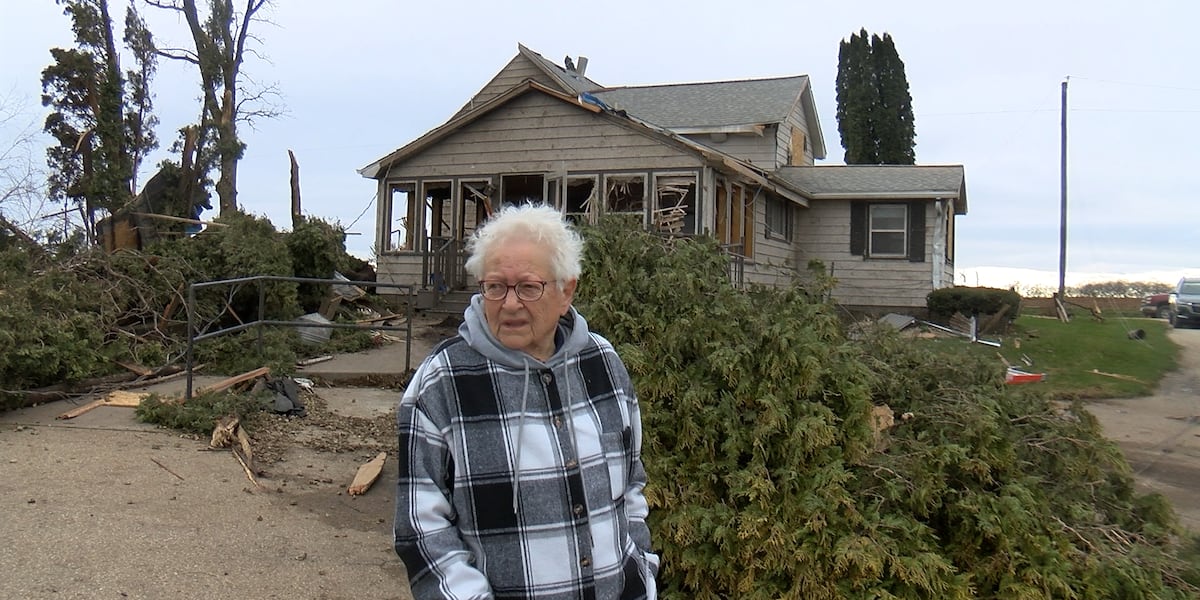
The stakeholder implications extend beyond government and residents to include local businesses and community organizations. The experience of Yvonne Kruger, the 89-year-old resident who survived the tornado, highlights the specific vulnerabilities of certain demographics during severe weather events. The elderly and individuals with mobility limitations face heightened risks during rapid-onset disasters. Her survival, while fortunate, underscores the importance of targeted early warning systems and community support networks for vulnerable populations. The rapid response of neighbors demonstrates the essential role of informal community networks in mitigating risk for high-vulnerability demographics.
Systemic Vulnerability and Long-Term Mitigation Strategies
The Olmsted County tornado exposes systemic vulnerabilities in local infrastructure and long-term risk management strategies. The widespread power outages and uprooted trees point to the fragility of existing infrastructure in the face of severe weather. For local utilities, this event necessitates a review of infrastructure resilience, including potential investments in underground power lines or enhanced tree management programs to mitigate future disruptions.
The concentration of damage in Marion Township suggests a localized concentration of risk, which influences future land use planning and building code enforcement. Local authorities must assess whether current building codes are sufficient to withstand increasing severe weather events. This analysis informs future development decisions, potentially leading to stricter building standards for new construction or incentives for retrofitting existing homes to enhance structural resilience.
The long-term consequences of such events include potential population shifts and changes in property market dynamics. Areas repeatedly affected by severe weather may experience a decline in property values and difficulty securing affordable insurance coverage. The event serves as a case study for refining disaster preparedness models, highlighting the complex interplay between local governance, state resources, and federal aid in managing the consequences of natural disasters.