Strategic Valorization of CNN’s Archival IP
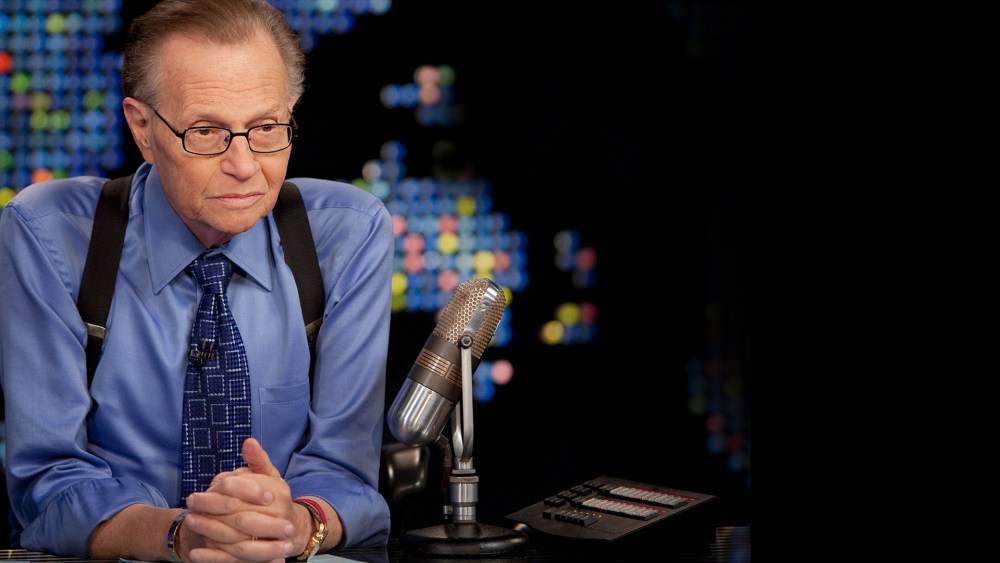
The reintroduction of “The Best of Larry King” into the CNN digital ecosystem represents a sophisticated deployment of deep-catalog intellectual property. Led by Amy Entelis, executive vice president for talent and content development, this initiative utilizes legacy brand equity to anchor CNN’s subscription-based platforms. By transitioning from linear television history to a digital-first strategy, CNN is effectively mitigating churn through the incremental release of historical interactions with globally recognized figures, maximizing the long-tail utility of King’s twenty-five-year tenure.
King’s specific broadcasting methodology—a genial, non-confrontational style—functions as a uniquely durable asset in a polarized media landscape. This high-access, low-friction environment historically attracted top-tier guests, creating an evergreen archive that remains palatable across diverse demographics. For CNN, these interviews serve as historical records that provide a competitive advantage in the streaming wars, where recognizable, high-quality libraries are essential for maintaining market share against diversified conglomerates.
Legal Conflict and Post-Mortem Publicity Rights
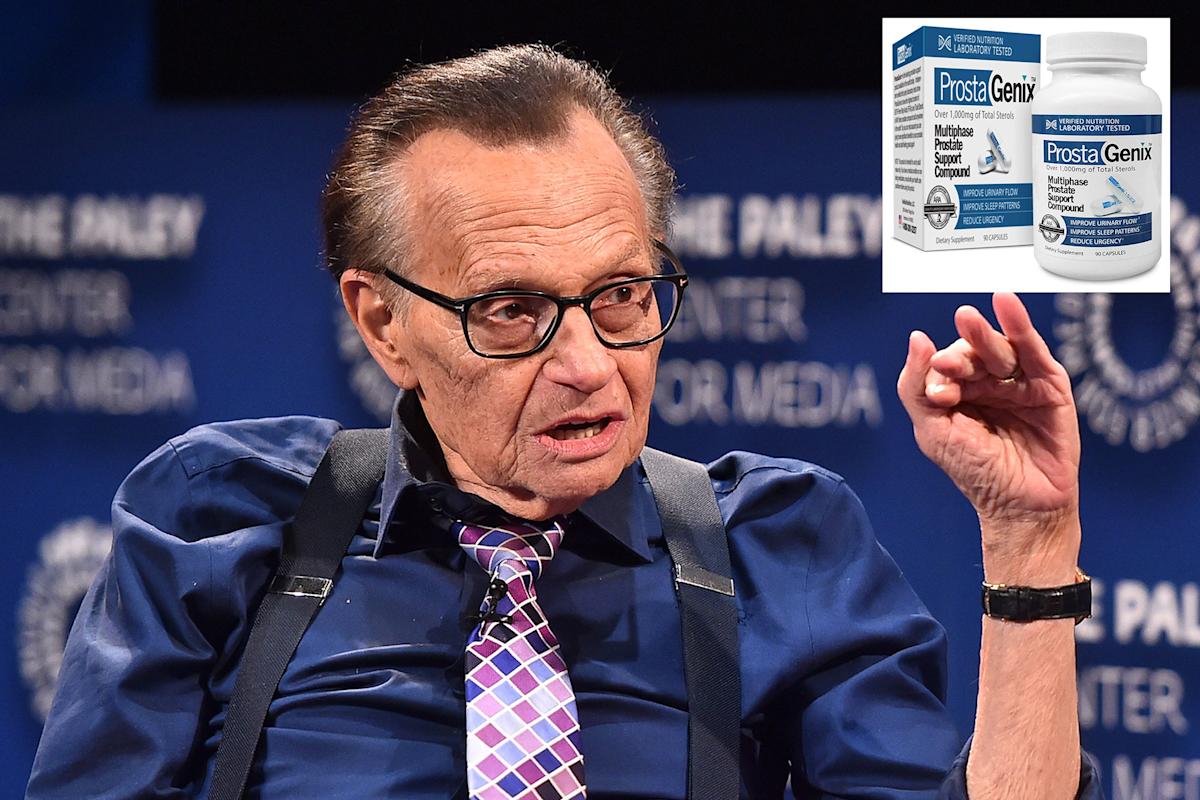
Concurrently, King’s estate is engaged in high-stakes litigation against Verified Nutrition, alleging the unauthorized continued use of his likeness to promote the supplement ProstaGenix. Under California law, the right of publicity is a transferable asset that persists post-mortem, making any continued use after King’s January 2021 death a direct infringement on the estate’s capital interests. The lawsuit naming Verified Nutrition and its principals underscores a zero-tolerance policy regarding the commercial exploitation of the King brand, aiming to prevent the dilution of his legacy’s market value.
The financial mechanics of the original 2017 endorsement—comprising a $100,000 base fee and a six percent royalty on net sales—illustrate the performance-based nature of high-level celebrity partnerships. The estate’s claim that King’s image remains active on platforms like Amazon and in syndicated infomercials suggests a significant failure in the defendant’s compliance protocols. This litigation highlights the operational friction that occurs when companies fail to terminate or renegotiate campaigns as stipulated by contractual and statutory requirements.
Institutional Risk in the Endorsement Sector
The reliance on established trust figures like King, Joe Montana, and Buzz Aldrin by Verified Nutrition reflects an industry-wide strategy in the health and wellness sector. When a corporation is accused of ignoring the termination of such rights, it faces significant reputational and legal exposure that can destabilize its supply chain and regulatory standing. For other high-profile ambassadors, the lawsuit serves as a warning regarding the management of likeness rights in a fragmented digital ecosystem where automated marketing can lead to perpetual, unauthorized usage.
Ultimately, the success of CNN’s streaming initiative and the outcome of the estate’s litigation will define the future of archival-led growth and likeness enforcement. While CNN uses the archive to strengthen its digital footprint, the estate acts as a defensive gatekeeper, ensuring that the transition from traditional media to algorithmic commerce does not result in the unauthorized commodification of King’s professional reputation.