

The 2026 three-match One Day International series in Dhaka transcends bilateral competition, functioning as a high-stakes laboratory for leadership transition and institutional depth. For Bangladesh, the series serves as a definitive audit of Mehidy Hasan Miraz’s captaincy. Despite securing consecutive series victories, Mehidy remains under rigorous evaluation by the national selection committee, necessitating a clinical performance against a developmental New Zealand roster to consolidate his long-term mandate.
Institutional Leverage and Ranking Point Dynamics
The Bangladesh Cricket Board (BCB) has explicitly prioritized ICC ranking points as a core strategic objective. Incremental gains in global standings are not merely symbolic; they provide critical leverage in future tournament seedings and commercial negotiations. In the Mirpur environment, Bangladesh aims to extract maximum performance value from familiar conditions, shifting the national narrative from sporadic upsets toward consistent international dominance.
New Zealand’s Developmental Pipeline Strategy
New Zealand’s selection of a less-experienced squad under Tom Latham represents a calculated risk to test the robustness of their domestic pipeline. Latham’s directive—prioritizing the translation of domestic technical formulas to the international stage—aims to mitigate the ‘rookie’ label. This approach allows New Zealand Cricket to evaluate player adaptability to subcontinental conditions without the immediate psychological burden of a primary-squad designation.
The Individual Stakes: Latham and the Sarkar Paradox
Tom Latham is navigating professional volatility after a period of middle-order instability. This series provides a vital platform to reaffirm his tactical utility as a transitional leader and senior batter. Conversely, the inclusion of Soumya Sarkar highlights the persistent tension between raw technical ability and selection reliability. Despite superior net form at Sher-e-Bangla, Sarkar’s career-long cycle of high-impact performances followed by prolonged absences underscores the difficulty of integrating high-variance players into a stable long-term strategy.
Environmental Hostility and Tactical Execution
The extreme humidity and heat of Dhaka are expected to act as decisive performance variables. For the New Zealand squad, maintaining cognitive and physical output under Mirpur’s micro-climate is the primary test of readiness. Bangladesh intends to weaponize these conditions, utilizing a spin-heavy tactical blueprint to create a high-pressure environment for the visitors. Mehidy’s refusal to label the opposition ‘under-strength’ is a defensive psychological maneuver to sustain operational intensity and avoid the complacency that has historically hindered Bangladesh when positioned as favorites.
Conclusion: Institutional Philosophies at a Crossroads
The series opener represents a confrontation between two distinct institutional philosophies: Bangladesh’s quest for home-soil consolidation and New Zealand’s investment in future talent capital. With ranking points and individual career trajectories on the line, the outcome will dictate the strategic momentum for both organizations heading into the 2026 international calendar.
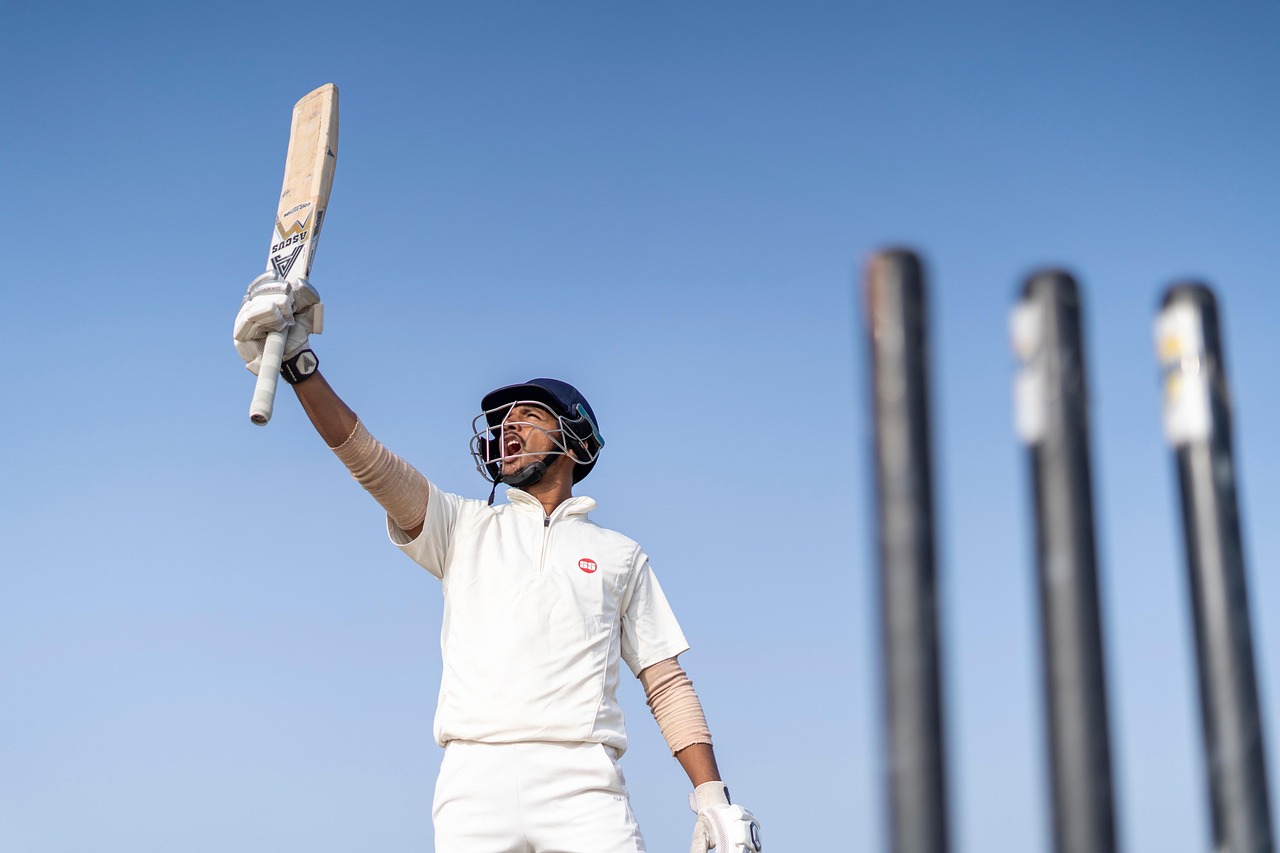
Photo by yogendras31 on Pixabay.