The Sanction’s Dual Impact on Racing: Financial Loss and Performance Leverage Erosion
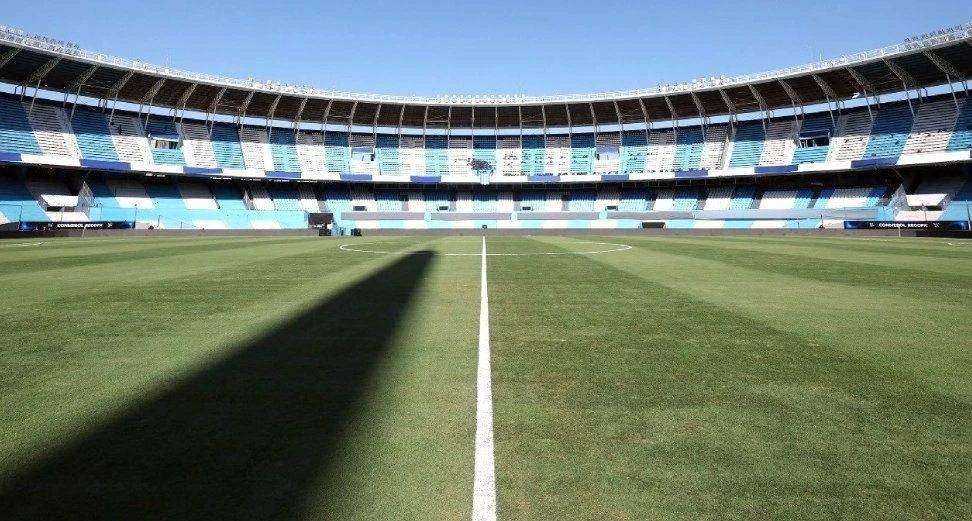
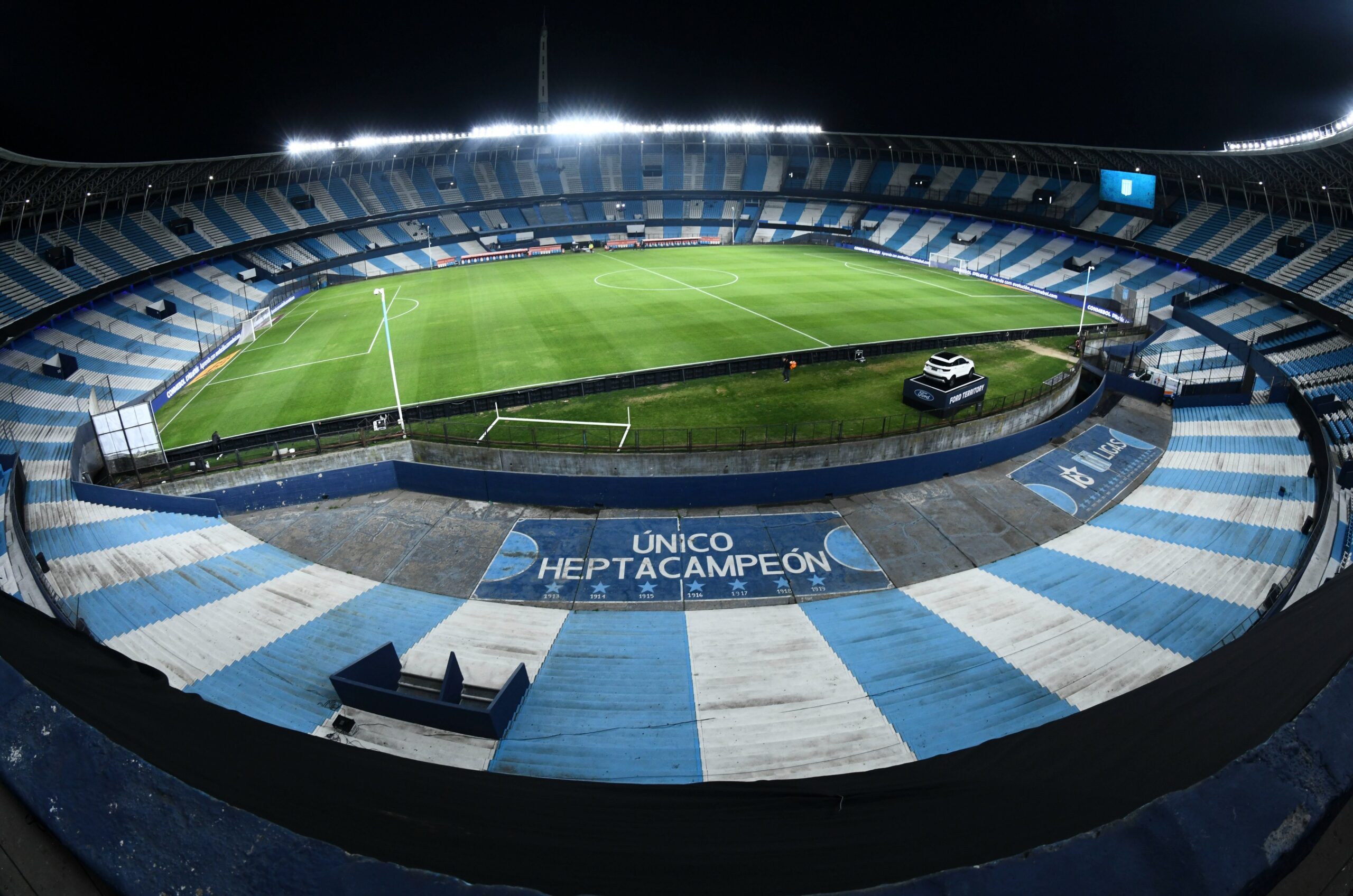
The upcoming Copa Sudamericana match between Racing and Botafogo serves as a critical case study in how institutional sanctions fundamentally reshape competitive dynamics. The match at Estadio Presidente Perón will proceed without spectators, a direct consequence of a punishment imposed on Racing by CONMEBOL for fan misconduct during the 2025 Libertadores semifinal against Flamengo. This penalty mandates three closed-gate matches in the current Sudamericana group stage, with a fourth match limited to 50% capacity.
For Racing, this sanction represents a significant erosion of competitive leverage and a tangible financial loss. The absence of spectators at El Cilindro, traditionally a source of intense home-field advantage, removes a crucial psychological and atmospheric variable. This forces Racing to rely solely on tactical execution during a period of documented strategic instability. The loss of gate revenue for multiple continental matches directly impacts short-term cash flow, potentially hindering future investment decisions necessary for squad rebuilding.
Racing’s recent history presents a paradox of competitive success and current operational instability. While the club secured the Copa Sudamericana in 2024 and the Recopa Sudamericana in 2025, it has since lost several key players and currently struggles in domestic competition, falling outside the top-8 positions after recent losses. The closed-gate sanction exacerbates this challenge by removing a vital source of support during this rebuilding phase, highlighting the cyclical nature of competitive leverage where recent success does not insulate against present-day operational constraints.
Botafogo’s Strategic Response to Group E Dynamics and Operational Constraints
Botafogo enters the match under significant operational pressure, recently having appointed Franclim Carvalho as coach. The team’s recent performance—including a disappointing home draw against Caracas in the Sudamericana opener and a domestic draw against Coritiba—places immediate emphasis on securing a victory in Avellaneda. This match, Carvalho’s first away fixture, tests his ability to implement strategic changes and manage squad morale in a high-stakes environment where a strong opponent has been stripped of its primary advantage.
Botafogo’s tactical planning is further complicated by regulatory constraints imposed by the Brazilian Football Confederation (CBF) regarding foreign player limits. The specific regulations led to the sidelining of key players, such as Ferraresi and Mateo Ponte, from the domestic match against Coritiba. This demonstrates a strategic necessity to prioritize resources between domestic and international competitions, where different rules govern player eligibility. The ability to reintegrate these players for the Sudamericana match provides Carvalho with enhanced tactical flexibility and depth, crucial for navigating a demanding schedule.
The management of player availability, specifically the return of Alex Telles from injury, further illustrates the operational complexities facing Botafogo. The strategic decision to rest players in domestic fixtures to ensure availability for continental competition reflects the financial and reputational importance placed on success in CONMEBOL tournaments. The closed-gate scenario transforms this away fixture from a test of resilience against home crowd pressure into a more neutral tactical contest, providing Botafogo with a strategic opportunity to gain leverage in Group E.
Broader Implications of CONMEBOL Sanctions on Resource Allocation and Competitive Equilibrium
The institutional framework provided by CONMEBOL’s regulations and sanctions plays a direct role in shaping strategic decisions and altering competitive equilibrium. For both Racing and Botafogo, securing top positions in Group E is essential for financial rewards and qualification for higher-tier competitions. Racing’s initial victory against Independiente Petrolero provides an early advantage, while Botafogo’s draw against Caracas creates immediate pressure to secure points in away fixtures.
The closed-gate sanction on Racing significantly alters the competitive landscape of Group E by mitigating the traditional home-field advantage for visiting teams. This institutional intervention effectively levels the playing field for Botafogo and other group members, potentially increasing the probability of away results and tightening the competition for qualification spots. The enforcement of rules regarding crowd behavior creates a financial and competitive risk that clubs must factor into their operational planning, forcing clubs to prioritize institutional compliance alongside tactical execution.