Systemic Atmospheric Risk in the Great Lakes Industrial Corridor
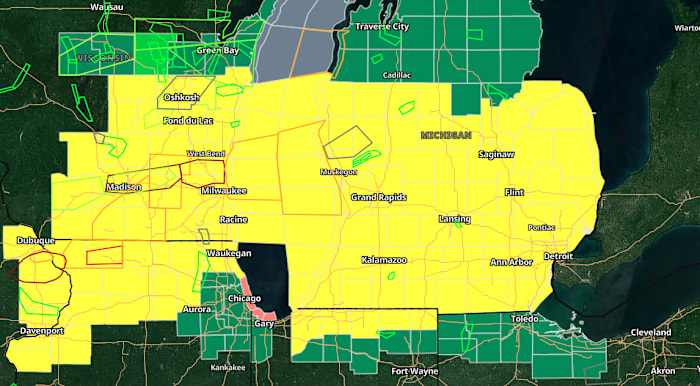
The National Weather Service (NWS) has designated 17 counties in Southeast Michigan under a Tornado Watch effective until 4 a.m. Wednesday. This meteorological event targets a critical geographic axis encompassing Detroit, Ann Arbor, and Flint. For the American automotive industry—specifically facilities in Dearborn, Warren, and Sterling Heights—this transition to heightened atmospheric instability necessitates immediate activation of severe weather protocols to mitigate risk to high-value capital equipment and personnel.
From a logistics perspective, the watch impacts the movement of components through the Port Huron gateway and the broader Detroit metro area. Supply chain managers are facing increased volatility in just-in-time delivery schedules as damaging winds and potential hail threaten outbound vehicle logistics. The geographic scope, stretching from the Ohio border to the northern Thumb region, requires a synchronized emergency response across multiple jurisdictions, including Saginaw and Midland, to address potential grid disruptions and infrastructure debris.
Transcontinental Transit Volatility and Oklahoma Storm Impact
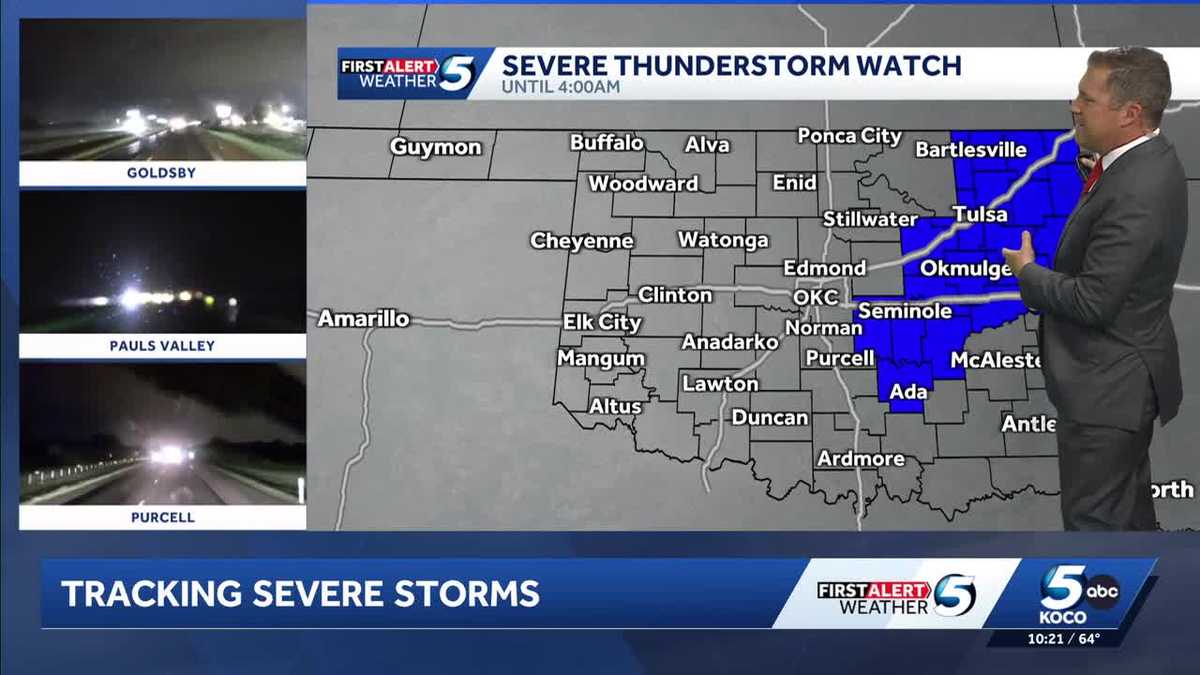
Concurrently, the Southern Plains face acute high-velocity threats. Severe thunderstorm warnings in Garvin, Grady, and Cleveland counties highlight storms advancing at 45 mph with gusts reaching 70 mph. The immediate economic impact is most visible in Beckham County, where the closure of all eastbound lanes on Interstate 40 at Merritt Road near Elk City has halted a primary transcontinental freight artery. This disruption forces commercial traffic onto secondary detours, compounding transit times and operational costs for national carriers.
The storm line’s trajectory toward the Oklahoma City metropolitan periphery increases the statistical probability of structural damage in Comanche and Stephens counties. The NWS’s emphasis on redundant communication channels reflects an institutional shift toward resilience, acknowledging that high-velocity events often compromise local single-channel alert infrastructure. For the agricultural and energy sectors in Caddo and Cotton counties, the primary risk remains large hail, a significant driver of insurance loss adjustments.
Infrastructural Resilience and Market Implications
The convergence of these events serves as a stress test for regional power grids and emergency management frameworks. In Michigan, the overnight timing poses specific challenges for public notification and utility response in high-density areas like Southfield and Troy. Meanwhile, in Oklahoma, the reopening of I-40 serves as the primary metric for regional operational recovery. Financial stakeholders and insurers are monitoring these developments as lead indicators for aggregate property and casualty claims, particularly given the high concentration of industrial assets in the impacted zones.