Regulatory Oversight and the Inquiry into Strategic Non-Competitiveness
The NBA Department of Basketball Operations has initiated a formal inquiry into the Sacramento Kings’ late-game execution during a 110-105 loss to the Golden State Warriors. The investigation focuses on a high-leverage sequence with 3:15 remaining in the fourth quarter, where Kings forward Doug McDermott committed an intentional foul on Seth Curry while Sacramento held a narrow lead. This tactical decision, executed while the Kings were in the penalty, has triggered a broader debate regarding the threshold between operational incompetence and deliberate non-competitiveness. League officials are scrutinizing the play to determine if it constitutes a violation of the Player Participation Policy or the broader standards of competitive integrity.
The Operational Defense: A Failure of Bench Communication
Sacramento’s internal defense characterizes the foul not as a strategic concession, but as a severe breakdown in bench management under coach Doug Christie. The purported objective was a clock stoppage to utilize a timeout before the three-minute forfeiture rule took effect. However, this maneuver failed to account for two critical variables: the Warriors’ bonus status and the elite 86.4% career free-throw average of Seth Curry. This multifaceted lapse suggests a cognitive overload in high-pressure coaching environments, where the failure to track real-time penalty status converted a defensive reset into an immediate scoring opportunity for the opponent.
The Draymond Green Critique: Incentives and Disciplinary Parity
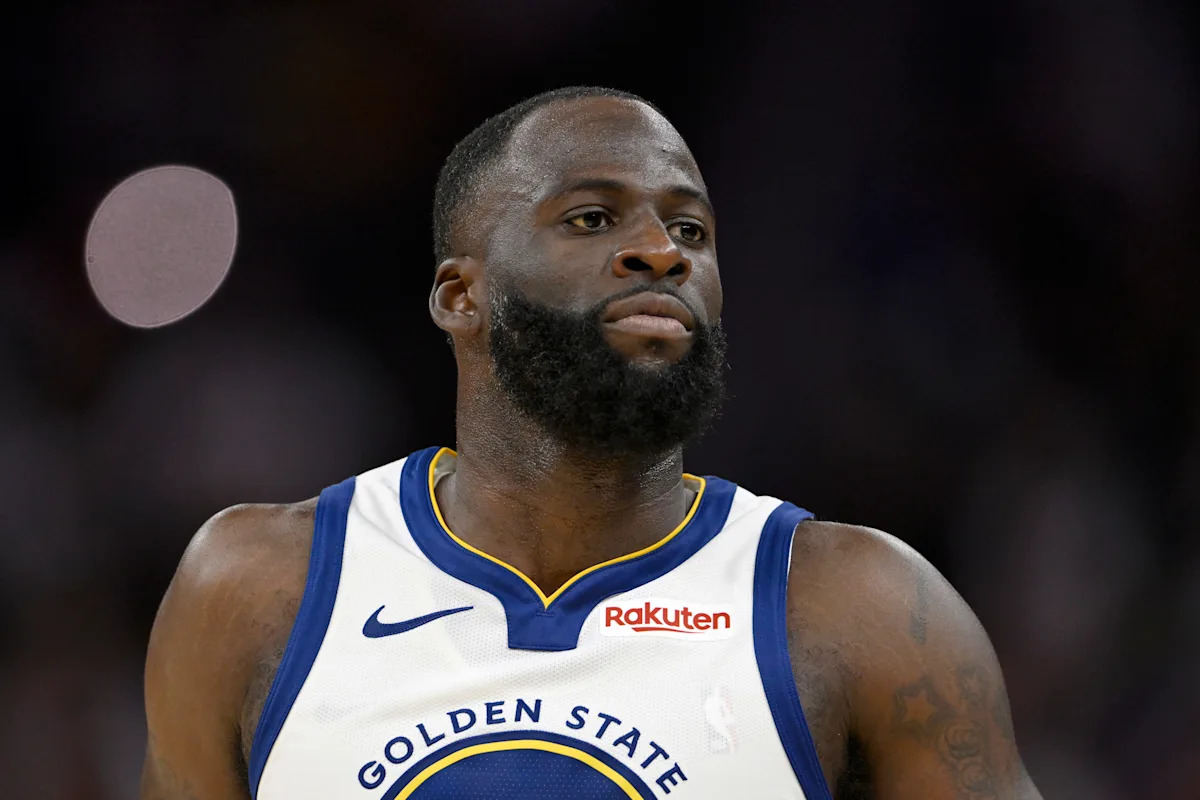
The optics of the incident have been sharply criticized by Warriors forward Draymond Green, who positioned the event as a symptom of a systemic tanking epidemic. Green’s public demand for aggressive financial penalties—paralleling the rigor applied to player discipline—highlights an perceived imbalance in the league’s regulatory framework. His rhetoric argues that without punitive measures targeting organizational conduct, teams face a perverse incentive structure where strategic losing outweighs immediate competitive effort. This critique places the NBA league office under pressure to demonstrate that its commitment to a meritocratic product is enforced with financial consequences that match the gravity of the infraction.
Institutional Precedent and Market Accountability
The investigation is anchored by recent disciplinary precedents, notably the $500,000 fine levied against the Utah Jazz for conduct detrimental to the league. Such sanctions serve as a benchmark for the potential costs of non-compliance. Beyond administrative fines, the Kings face significant reputational risk in a landscape where market integrity is paramount for broadcast partners and the legal sports betting ecosystem. By aggressively probing these tactical anomalies, the NBA seeks to safeguard the transparency of its competition, ensuring that late-season outcomes are determined by athletic effort rather than administrative manipulation or long-term asset management strategies.