Strategic Context of the 2026 Opening Series
The Pittsburgh Pirates travel to Wrigley Field on April 10, 2026, aiming to reverse a persistent historical trend of underperformance against the Chicago Cubs. Entering the series with a 7-5 record, the Pirates seek to distance themselves from a 2025 campaign where they dropped 10 of 13 contests against Chicago. This head-to-head disparity presents a structural challenge for the visiting squad as they test their current offensive momentum in a historically difficult venue.
The Cubs, currently 6-6, hold institutional confidence bolstered by the betting markets, which list them as -143 favorites. Much of this valuation hinges on the statistical profile of Shota Imanaga, who has historically neutralized the Pirates, allowing only one earned run over 26 career innings against the franchise.
Offensive Calibration and Benchmarks
Pittsburgh’s 2026 offensive strategy addresses the chronic power deficiencies of 2025, a season that concluded with a league-worst 117 home runs. Through the first 12 games of 2026, the team has already recorded 12 home runs—a significant rate of improvement attributed to the acquisitions of Brandon Lowe and Ryan O’Hearn. With each newcomer contributing three home runs, the team has ascended to top-tier rankings in hits per game, batting average, and on-base percentage, signaling a successful operational recalibration.
Data-Driven Betting Markets
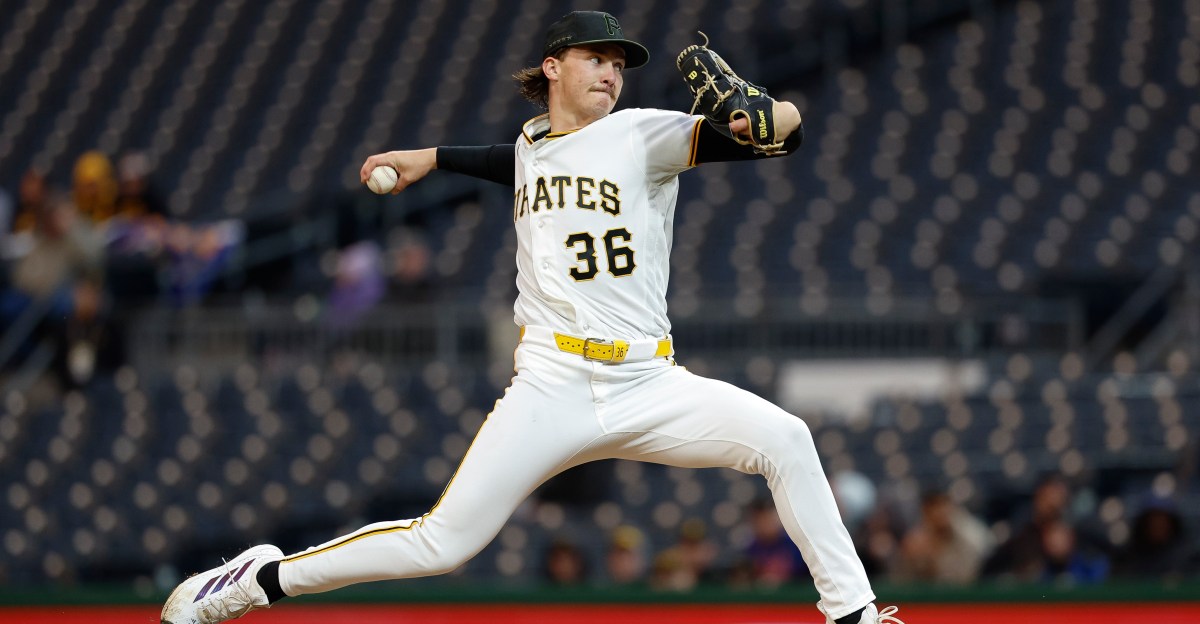
The interplay between advanced modeling—such as the 10,000-simulation projection system—and market lines provides a framework for evaluating competitive equilibrium. With an over/under set at 6.5, the market anticipates a defensive struggle, heavily influenced by the pitching matchup between Imanaga and Pittsburgh’s Carmen Mlodzinski. This line reflects both historical environmental factors at Wrigley Field and current efficiency metrics.
Institutional Dynamics
Beyond the diamond, the series serves as a litmus test for Pirates manager Don Kelly, who must ensure that the team’s offensive gains persist against high-leverage pitching. Successfully navigating the psychological pressures of Wrigley Field requires more than statistical aptitude; it demands maintaining efficiency against a staff designed to suppress scoring. The outcome will clarify whether the team’s offseason investments have successfully closed the competitive gap within the National League Central.