Strategic Imperatives in the Europa League Quarter-Final
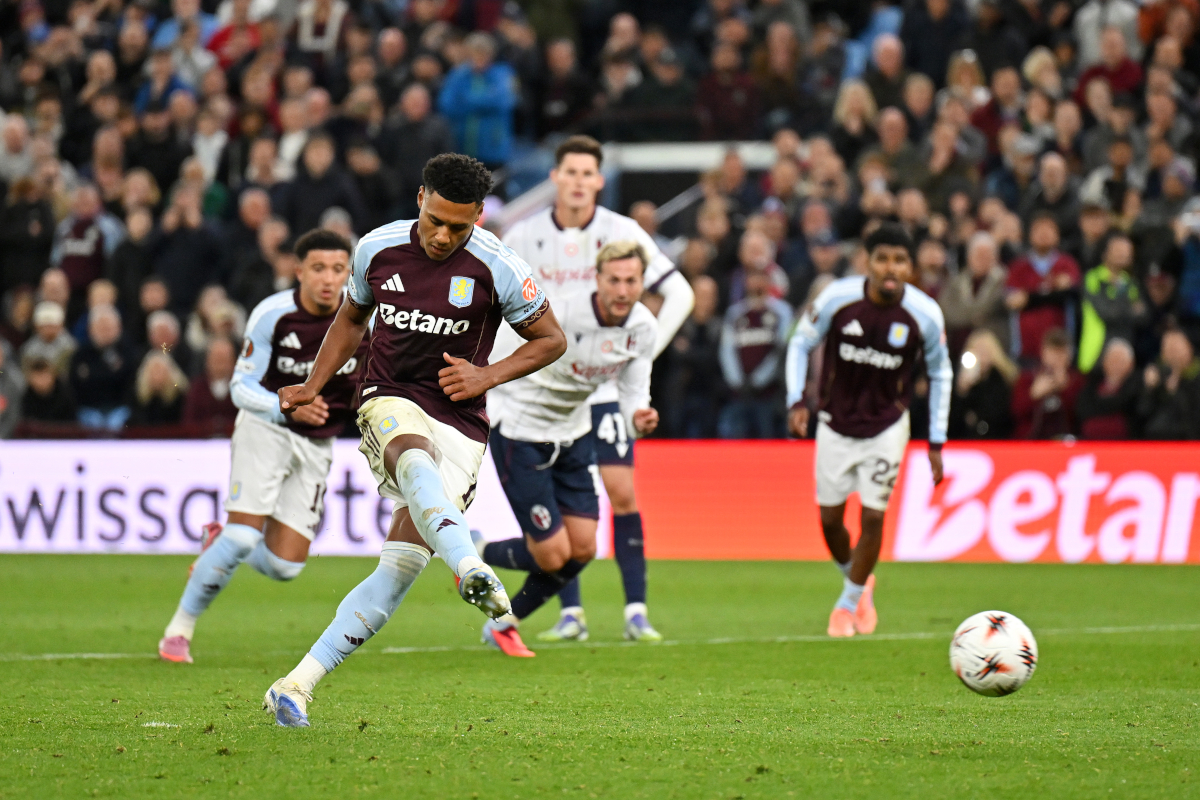
The UEFA Europa League quarter-final between Aston Villa and Bologna represents a sophisticated tactical intersection. For Unai Emery, the primary challenge lies in re-establishing competitive rhythm following an extended hiatus since late March. The encounter at the Stadio Renato Dall’Ara is more than a knockout tie; it is a confrontation between Villa’s continental aspirations and a Bologna side that has cultivated a formidable identity under Vincenzo Italiano.
Villa enters the fixture with a psychological edge, having secured victories in both previous meetings over the past eighteen months. However, the transition to Italian soil introduces environmental variables that test Emery’s tactical flexibility. The shift from the comforts of Villa Park to the pressurized atmosphere of the Dall’Ara requires a recalibration of the ‘Emery Doctrine’—a philosophy rooted in high-density mid-blocks and rapid transitional play.
The Emery Doctrine: Neutralizing Overconfidence
Emery’s characterization of Bologna as a “winner team” is a calculated psychological maneuver. By elevating the status of the Rossoblù, he insulates his squad from the complacency that often plagues favorites in European competition. This rhetorical strategy is underpinned by his vast experience in knockout football, where the initial twenty minutes of a first leg often dictate the aggregate trajectory. Emery’s insistence on 100% concentration aims to mitigate the operational risks of ‘competitive rust’ following the international break.
Bologna’s Structural Resilience and Personnel Attrition
Bologna’s presence in the final eight is anchored by a club-record 11-game unbeaten run in European home fixtures. Despite sitting eighth in Serie A, their recent 5-4 aggregate triumph over Roma underscores a high performance ceiling in pressure-cooker scenarios. However, Vincenzo Italiano faces a significant defensive crisis. The suspension of Martin Vitik, alongside injuries to Lukasz Skorupski, Thijs Dallinga, and Benjamin Dominguez, strips the spine of the team of its most experienced components.
This attrition necessitates a tactical pivot. The integration of Federico Ravaglia in goal and the deployment of Santiago Castro as a mobile lone striker suggest a move toward a counter-punching system. By prioritizing the pace of Federico Bernardeschi and Jonathan Rowe over traditional wingers like Orsolini, Italiano aims to exploit the high defensive line Villa typically employs, transforming defensive necessity into a transitional advantage.
Macro-Economic and Institutional Stakes
Beyond the pitch, progression carries immense institutional weight. For Aston Villa, a semi-final berth validates significant capital investment and stabilizes their reputation as a burgeoning European elite. For Bologna, the financial windfall and global visibility of a deep run provide the resources necessary to sustain their current growth trajectory within Serie A. In this high-stakes environment, the match will be decided by which side better manages the ‘re-entry’ phase of the season, where tactical cohesion is often sacrificed to physical fatigue.