Strategic Relocation and Institutional Triage
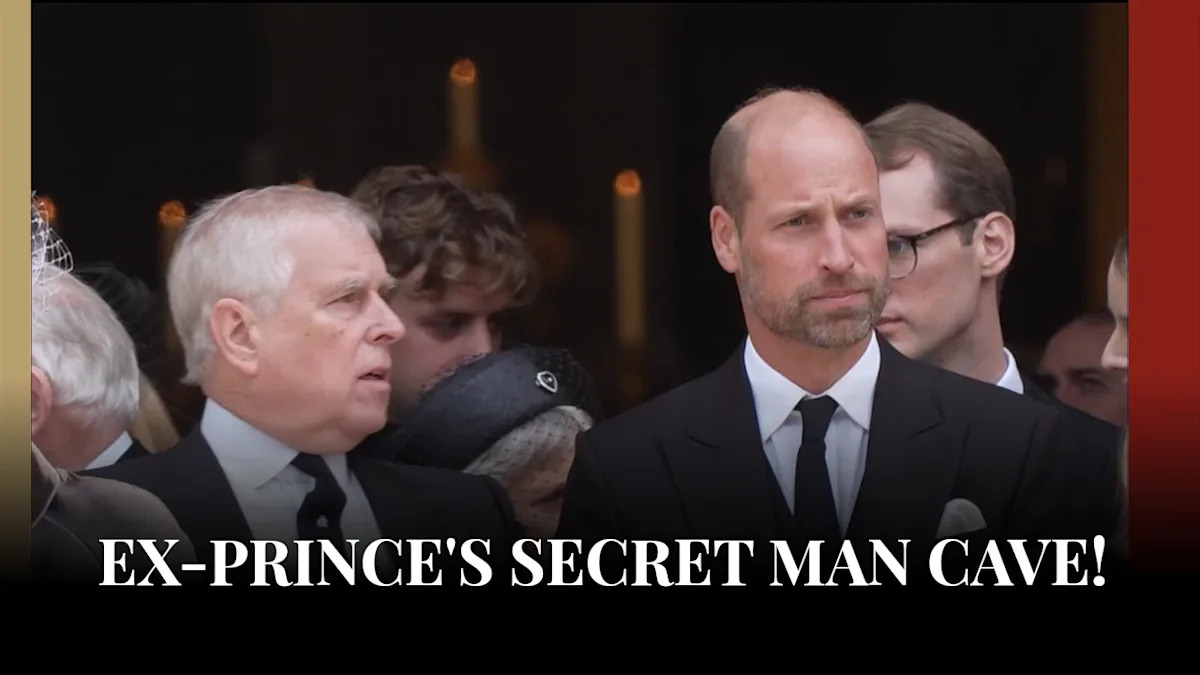
Prince Andrew’s recent relocation from Royal Lodge to Marsh Farm on the Sandringham Estate represents a deliberate institutional response to escalating legal and reputational risk. The move, documented on March 17, places the individual in a new physical context, shifting him from a prominent residence to a secluded location. This transition, initiated by King Charles III, signifies a state of enforced internal exile designed to limit public exposure and consolidate control over the individual’s movements and resources.
This physical isolation coincides directly with significant legal exposure. The relocation precedes or coincides with a Thames Valley Police inquiry regarding alleged misconduct in public office, a development that introduces a new layer of legal vulnerability distinct from previous civil claims. The focus on actions taken during his official capacity raises questions of institutional oversight and accountability. The institution’s actions, including King Charles III’s pledge of cooperation, reflect an effort to manage the fallout from this inquiry, minimizing the potential for further reputational damage while enforcing physical separation.
The choice of Marsh Farm, supplemented by a mobile unit for security or personal space, indicates a strategic focus on containment. This logistical arrangement minimizes the individual’s operational footprint and reduces opportunities for unsanctioned public interactions. The relocation functions as a form of institutional triage, proactively addressing the immediate risk posed by the legal developments and simultaneously enforcing a low profile, even as the individual remains a consistent subject of media scrutiny.
Narrative Control and The ‘Weaponized Pity’ Strategy
The physical relocation to obscurity is contrasted by a coordinated strategic communication campaign aimed at managing public perception. This campaign, described by sources as a “softening-up exercise” and “weaponized pity,” leverages reports of family visits and concerns over the individual’s mental health to elicit public sympathy. The suspicious timing of exclusive reports appearing simultaneously across multiple publications suggests a coordinated effort by palace sources to shape the narrative.
The core objective of this strategy is to reframe the individual’s situation from one of accountability for “murky misdeeds” to one of personal struggle and vulnerability. By introducing the narrative of mental health concerns and describing the individual as “unstable,” the institution attempts to mitigate public anger and redirect focus toward compassion. This approach seeks to leverage emotional responses to overshadow the underlying issues of misconduct and institutional failure. Commentators view this as a deliberate attempt to manipulate public sentiment, prioritizing public relations over full transparency regarding the individual’s actions and consequences.
This narrative control effort highlights complex governance dynamics and conflicting stakeholder incentives. King Charles III’s incentive is to consolidate control and protect the broader institution’s integrity, necessitating Andrew’s departure from Royal Lodge. Conversely, Andrew’s persistent media presence suggests an interest in mitigating personal consequences and influencing public opinion, creating tension between the institutional desire for obscurity and the individual’s potential efforts to remain relevant.
Financial Implications and Structural Integrity
The crisis carries significant financial and structural implications for the monarchy. The decision to relocate Andrew and manage him in internal exile incurs ongoing costs, including security arrangements for the new residence and potentially a mobile unit. These short-term financial burdens are outweighed by the long-term structural risks associated with the individual’s presence.
The source highlights a key financial consideration: the potential negative impact of Andrew’s public presence on tourism revenue. The concern that his presence near assets like the Tower of London might deter visitors underscores the high financial value placed on maintaining a positive public image. The strategic decision to relocate him to Sandringham, away from high-traffic tourist areas, reflects an effort to mitigate potential financial losses associated with negative publicity.
Ultimately, the ongoing saga creates structural pressure on the institution’s integrity and public trust. The strategic response, including internal exile and the “weaponized pity” narrative, attempts to address this structural issue by shifting focus from accountability to compassion. However, the use of narrative manipulation risks undermining the institution’s commitment to transparency, potentially exacerbating public distrust rather than resolving the underlying structural challenges necessary for long-term stability.