UConn Tournament Run: Strategic Economic Impact and Experiential Retail in Connecticut
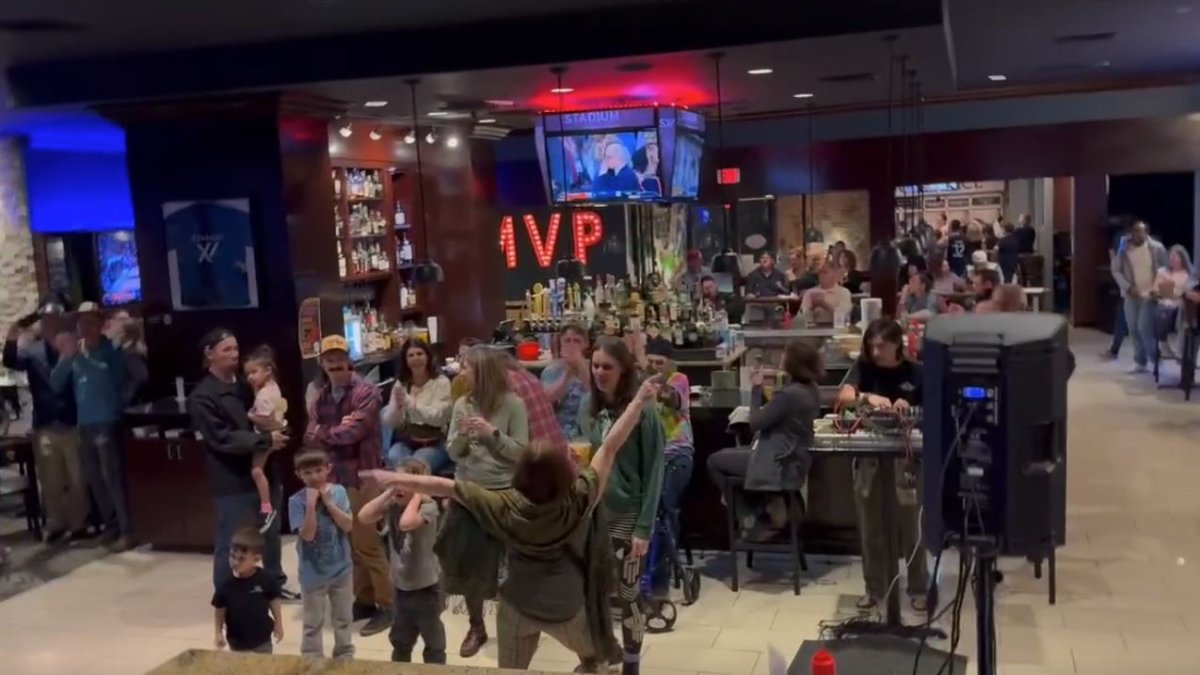
The recent tournament run by the UConn men’s basketball team generated a significant economic uplift for local hospitality businesses across Connecticut. This phenomenon demonstrates how institutional sports success creates non-monetized brand equity that strategically positioned venues can convert into tangible revenue streams. The case study of Stadium XV in Farmington illustrates this dynamic, with owner Yash Ramchandani reporting a surge in customer traffic—a crowd of 175 to 200 people during key games—significantly above baseline operations baseline. This immediate financial leverage highlights a critical component of the regional sports ecosystem often overlooked in favor of athletic performance metrics.
The operational impact of this demand spike is evidenced by the reported 45-minute queue for entry after tipoff. This queue signifies a temporary state where demand exceeds capacity, allowing the venue to maximize revenue per square foot and potentially increase turnover. For local businesses, these high-leverage events represent a critical opportunity to generate revenue streams that compensate for periods of lower activity, particularly during off-peak seasons or following holidays like Easter Sunday, as noted by Ramchandani.
Competitive Differentiation Through Experiential Assets
Beyond standard food and beverage sales, the strategic utilization of specific assets proved central to maximizing revenue during the tournament run. Stadium XV’s business model incorporates “state of the art multi-sport simulators,” which Ramchandani explicitly identified as a key draw for customers during watch parties. This integration of interactive technology transforms the venue from a simple viewing space into an experiential retail destination. The simulators serve as a critical competitive differentiator, attracting customers seeking a comprehensive social experience rather than just passive viewing.
This diversified asset base, capable of supporting basketball, hockey, soccer, and football, mitigates risk associated with seasonal sports cycles. By offering multiple entertainment options, the venue can attract a broader customer base and maintain relevance even when a specific team or sport is not in season. This strategic investment in non-core entertainment assets transforms the venue’s value proposition, increasing its competitive advantage in the local market by prioritizing shared social experiences.
Market Dynamics and Strategic Planning Implications
The economic impact extends beyond individual venues, altering the competitive landscape for local hospitality businesses across Connecticut. The tournament creates a temporary market inefficiency where demand for specific viewing experiences spikes dramatically. Businesses that have invested in large-screen viewing infrastructure, high-quality audio systems, and a vibrant social atmosphere are best positioned to capture this surge in consumer spending.
For local businesses, a high-performing university program offers a predictable and recurring revenue stream tied to the university’s non-monetized brand equity. This predictability enables long-term strategic planning and investment in facility upgrades, such as the multi-sport simulators. In contrast to one-off events, a consistent high-performing program creates a reliable demand cycle that businesses can integrate into their revenue forecasting models, allowing for more stable investment decisions.
The symbiotic relationship extends to local media outlets, which gain a compelling narrative connecting sports coverage directly to community life and economic activity. The amplification of these local success stories, such as the watch parties, reinforces the media’s relevance and provides content that resonates deeply with the local audience. This creates a mutually beneficial ecosystem where media coverage drives traffic to businesses, which in turn generates newsworthy content for the media.
Operational Challenges and Future Customer Conversion
While the demand surge presents significant opportunities, it also introduces operational challenges related to capacity management and service delivery. The reported 45-minute queue highlights the need for efficient staffing, inventory management, and operational protocols to handle high-volume periods without compromising customer experience. Businesses must balance maximizing revenue during peak times with maintaining service quality to ensure long-term customer retention.
The strategic planning required for these events involves forecasting demand based on tournament progression and allocating resources accordingly. Businesses must anticipate the specific needs of a watch party crowd, which often differs from regular weekend traffic. The success of venues in leveraging these events demonstrates the importance of a proactive approach to event-based marketing. By creating a specific atmosphere and promoting the watch party experience, businesses can convert temporary demand spikes into long-term customer relationships. The goal is not merely to capture revenue from a single game, but to introduce new customers to the venue’s full range of offerings, including the simulators, thereby increasing future patronage.
Conclusion: The Broader Economic Multiplier Effect
The economic impact of the tournament extends beyond the direct revenue generated by individual businesses. The increased foot traffic and consumer spending create a broader multiplier effect within the local economy. As customers frequent these venues, they may also engage with nearby businesses, such as parking facilities, transportation services, and other retail establishments, creating a ripple effect that benefits the entire commercial district.
The case of Stadium XV illustrates a critical strategic shift in the hospitality sector: the move toward experiential retail. In an era where consumers have increasing access to in-home entertainment options, businesses must provide compelling reasons for customers to leave their homes. The combination of high-stakes sports viewing and interactive entertainment, such as simulators, provides a powerful value proposition that cannot be easily replicated elsewhere. The success of the UConn basketball program creates a significant and predictable economic opportunity for local businesses, demonstrating the importance of strategic investment in diversified assets to maximize local economic impact and competitive positioning.