The convergence of Easter Sunday on April 5, 2026, represents a critical inflection point for the North American hospitality sector. As a movable feast, the early April placement dictates the fiscal velocity of the second quarter, forcing major Quick Service Restaurants (QSR) and casual dining chains to navigate the tension between capturing holiday demand and mitigating escalating labor overhead.
For market analysts, the operational divergence between global brands reveals broader institutional priorities. While the holiday concludes the 40-day Lenten season, its economic significance is defined by the logistics of franchise autonomy and the strategic calculation of holiday staffing premiums.
Franchise Autonomy and Asymmetric Availability
The decentralized operational models of leaders like McDonald’s and Burger King introduce significant systemic variability. Because these entities rely on independent operators, corporate headquarters lack the contractual mandate to enforce uniform hours. This creates an asymmetric market where availability is determined by local-level profit-and-loss assessments rather than global brand consistency.
In this franchise-heavy ecosystem, the burden of labor management is shifted to the local entrepreneur. Operators must weigh the revenue potential of post-church dining against the necessity of holiday pay. This decentralized approach necessitates digital intermediation, as consumers are increasingly forced to rely on proprietary apps to verify real-time status, effectively driving deeper adoption of brand data ecosystems.
Market Vacuums and Competitive Displacement
The institutionalized closure of Chick-fil-A on April 5, 2026, serves as a primary driver of market displacement. By adhering to a structural policy of Sunday closures, the brand cedes a significant percentage of the chicken-segment market share. This creates a temporary competitive vacuum that rivals like Wendy’s, Popeyes, and Taco Bell are positioned to exploit.
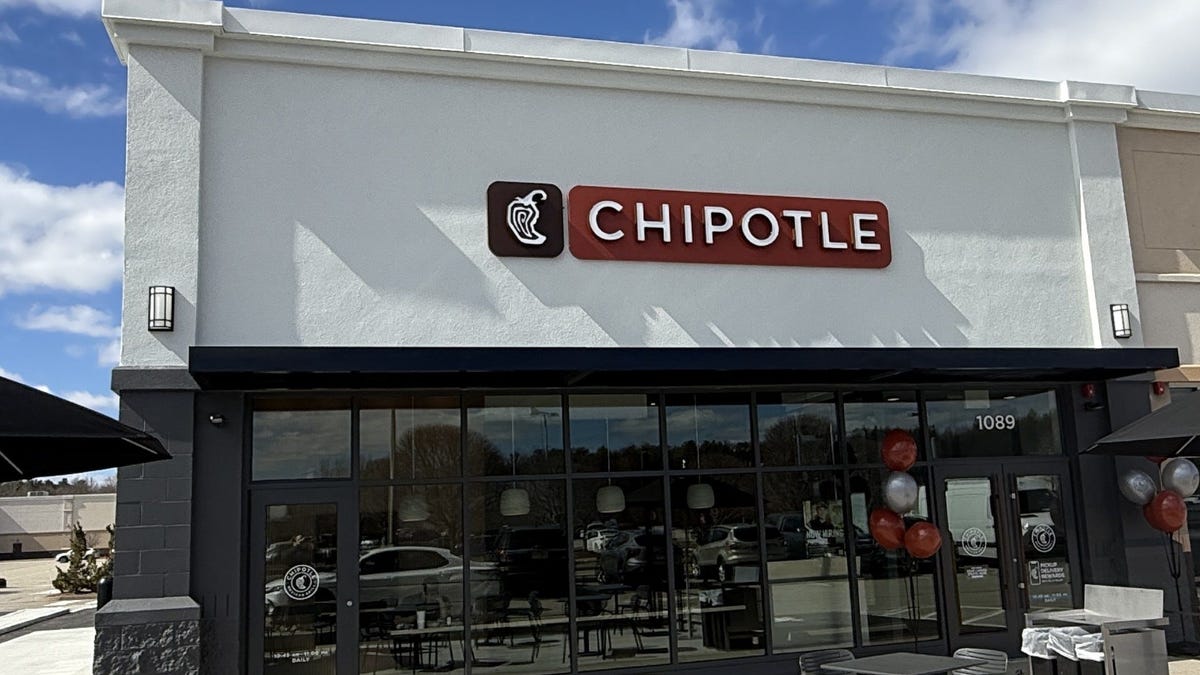
Similarly, Chipotle’s corporate-mandated closure represents a distinct strategic pivot toward labor retention and operational consolidation. Unlike the fragmented franchise models, Chipotle’s top-down directive eliminates logistical ambiguity but forces the brand to absorb the opportunity cost of total revenue loss on a high-volume Sunday. For competitors like Buffalo Wild Wings and IHOP, these strategic absences provide a low-friction path to margin expansion via captured demand.
The Coffee Sector: Infrastructure and Daily Continuity
Starbucks and Dunkin’ function as essential infrastructure for holiday logistics. Their 2026 strategy prioritizes digital-first engagement, using the holiday to stress-test their mobile ordering platforms. By directing traffic to apps, these brands mitigate the friction caused by modified holiday hours while harvesting high-intent consumer data. The coffee segment remains resilient due to the inelasticity of the daily caffeine habit, which persists regardless of the liturgical calendar.
Casual Dining and Post-Lenten Consumer Psychology
Establishments such as The Cheesecake Factory and Cracker Barrel are positioned to capture the shift toward outsourced family gatherings. These chains leverage their identity as providers of traditional comfort food to replace the labor-intensive home meal. The operational success of these venues on April 5 hinges on inventory precision—specifically managing the surge in demand for seasonal items while maintaining table turnover rates in a high-density environment.
Furthermore, the conclusion of Lent triggers a psychological surge in demand for indulgent, calorie-dense foods. This ‘rebound consumption’ provides a measurable tailwind for brands like Dairy Queen and Golden Corral. Chains that remain operational are effectively harvesting six weeks of pent-up demand generated by religious abstinence, leading to significant spikes in transaction volume and average check size.
Labor Economics and Fiscal Rationality
Industry communications regarding ‘well-earned breaks’ often mask a pragmatic cost-benefit analysis. In jurisdictions with high minimum wages or mandatory holiday premiums, the marginal cost of labor can exceed the projected revenue of holiday operations. Consequently, closures are often less about altruism and more about avoiding a net fiscal loss during periods of diminished staff availability.
Ultimately, the restaurant landscape on April 5, 2026, will be a study in operational efficiency. Those that remain open must achieve a high revenue-per-labor-hour ratio to justify the expenditure, while those that close prioritize long-term brand equity and staff retention. The performance data from this day will serve as a definitive barometer for discretionary spending and consumer confidence for the remainder of the fiscal year.