Tactical Shifts and Play-In Positioning in the Western Conference
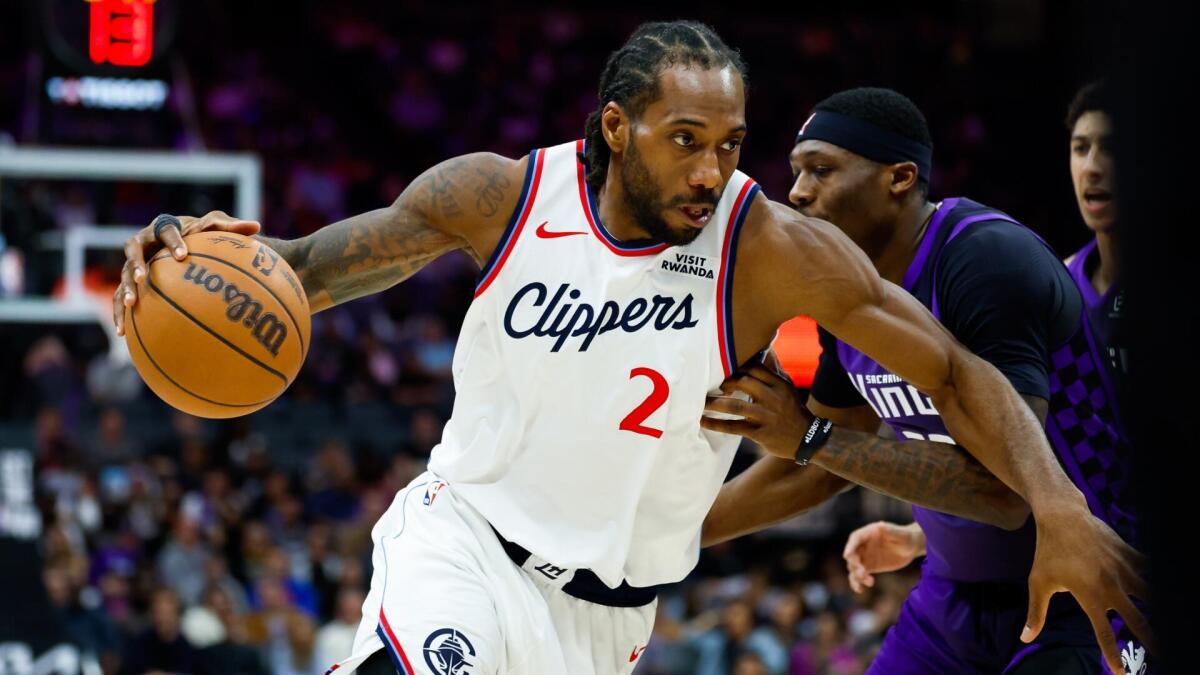
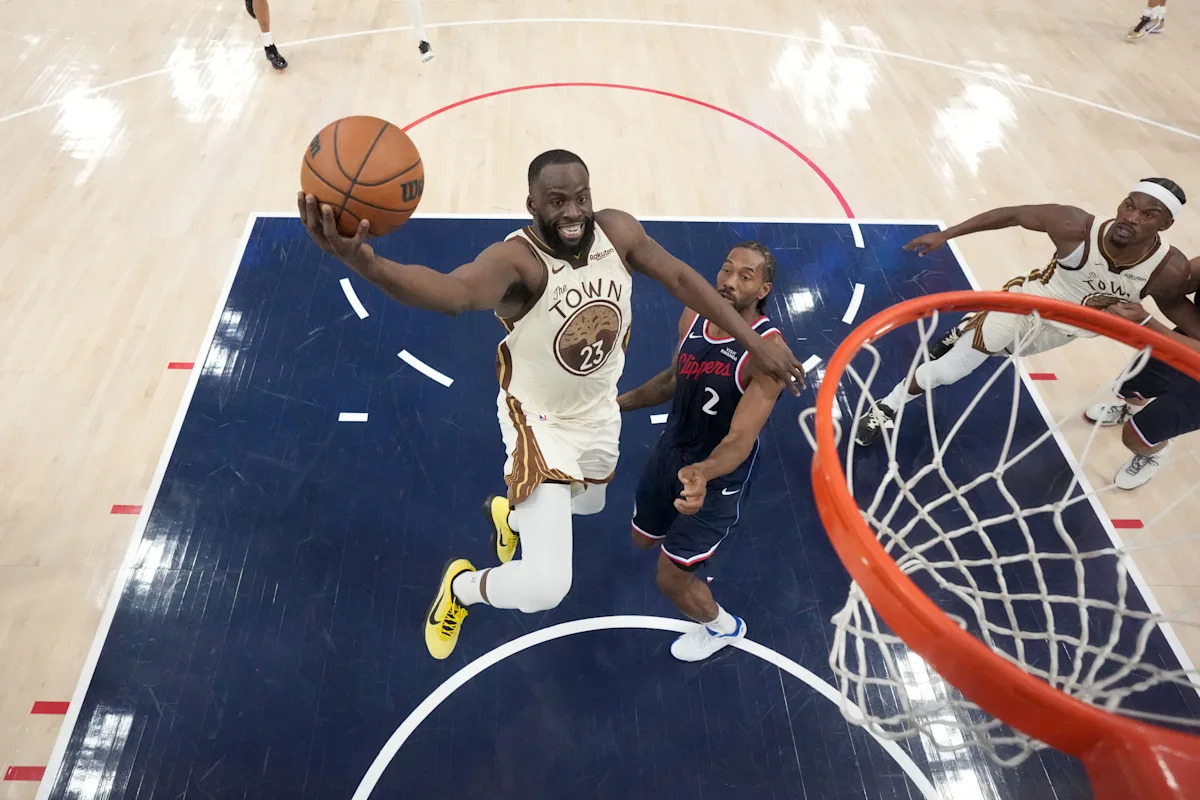
The March 2, 2026, engagement between the Los Angeles Clippers (28-31) and the Golden State Warriors (31-29) at Chase Center serves as a critical case study in roster resilience and high-leverage seeding. With only 1.5 points separating the teams in betting markets, the contest highlights a volatile Pacific Division landscape. For the Warriors, maintaining the eighth seed requires overcoming a profound personnel deficit, while the Clippers seek to capitalize on recent momentum to bridge the gap in the Western Conference hierarchy.
The Clippers enter this matchup on the second leg of a back-to-back, following an efficient 137-117 dismantling of the New Orleans Pelicans. This operational challenge coincides with the high-profile debut of Darius Garland. Acquired from Cleveland in a January pivot, Garland’s integration is a strategic necessity following the season-ending hip injury to Bradley Beal. Garland is expected to serve as the primary engine for an offense that must maintain its 112.1-point average while navigating the fatigue associated with condensed scheduling.
Golden State’s tactical integrity faces a severe test following a 101-129 collapse against the Lakers. The absence of Stephen Curry and Jimmy Butler (knee injuries) creates a gravitational void in the Warriors’ perimeter game, while the loss of Kristaps Porzingis to illness removes their primary rim protector. Statistical indicators suggest a defensive crisis; allowing 114.1 points per game without Porzingis’ interior presence leaves the Warriors vulnerable to the Clippers’ physical downhill attacking style.
Capital Allocation and Roster Fragility
The current injury reports underscore the inherent risks of veteran-heavy capital allocation. Golden State’s competitive model, built around aging superstars, is currently stalled by the unavailability of Curry, Butler, and Seth Curry. This depth crisis is exacerbated by the absence of rookie Will Richard, forcing a reliance on unproven rotations to defend a home court where they have historically excelled (19-12).
Conversely, the Clippers’ front office has demonstrated aggressive asset management by acquiring Garland. This move represents a calculated attempt to maximize the team’s competitive window despite a sub-.500 record. However, perimeter stability remains a concern as Kris Dunn (head) and John Collins remain on the injury report, potentially leaving the defensive wings exposed to a Warriors team that, despite injuries, maintains a 115.6-point scoring average.
Statistical Projections and Media Valuation
Oddsmakers have set the total at 215.5, anticipating a pace-driven game where defensive efficiency takes a backseat to offensive volume. The Warriors’ transition defense—which surrendered 129 points in their last outing—must recalibrate to avoid being exploited by Garland’s playmaking. For the Clippers, success hinges on whether they can overcome a historically poor road record (13-18) by leveraging their 18-18 conference parity.
The broadcast distribution via Peacock and NBCS-BA reflects the NBA’s 2026 media strategy, prioritizing streaming accessibility for high-value divisional matchups. From a commercial perspective, the outcome will influence playoff revenue projections and draft lottery percentages, making this more than a standard regular-season meeting. A Clippers victory would tighten the tie-breaker race, while a Warriors win would provide much-needed stabilization for an organization facing internal scrutiny regarding roster construction and luxury tax exposure.