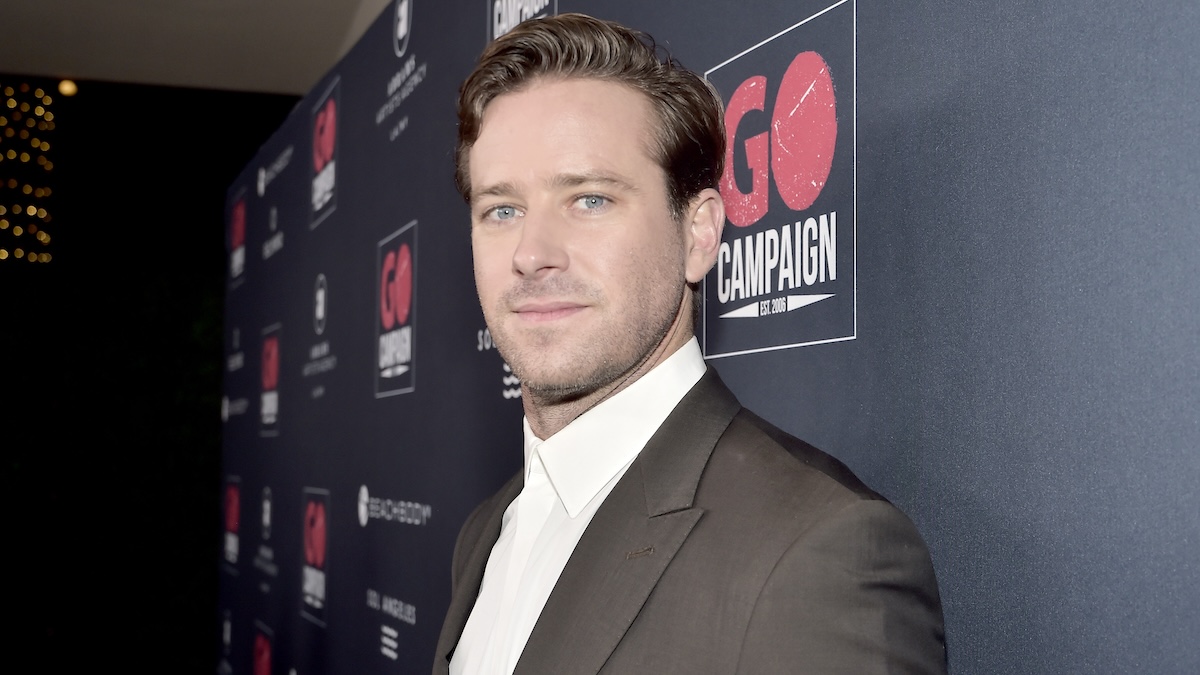
The transition of Armie Hammer from a high-tier studio asset to an independent cinema participant serves as a definitive case study in the mechanics of institutional risk and reputational arbitrage. Following the 2021 structural collapse of his career—triggered by severe allegations and subsequent dismissal from the centralized Hollywood ecosystem—Hammer’s return outlines a strategic blueprint for navigating professional isolation and market displacement.
Institutional Severance and the Loss of Gatekeeper Access
The immediate fallout of 2021 represented an total institutional severance. The termination of representation by WME and his exit from major studio projects effectively removed Hammer from the primary talent pipeline. This was not merely a public relations crisis but a calculated move by industry stakeholders to eliminate brand contagion and financial liability. The ensuing period of professional dormancy in the Cayman Islands, coupled with a two-year LAPD investigation that concluded without charges, established the legal baseline required for any potential market re-entry.
Market Arbitrage: Exploiting the ‘Controversy Tax’
Hammer’s casting in the Western Frontier Crucible and the project Mascotland illustrates a classic model of market arbitrage within the independent sector. In this secondary market, producers can acquire high-profile talent at a significant ‘celebrity discount’—leveraging an actor’s depressed market value to secure star power that would otherwise be cost-prohibitive. By utilizing an ensemble structure alongside veterans like William H. Macy and Billy Zane, these productions distribute reputational weight across a broader cast, insulating the project while benefiting from the actor’s high name recognition.
Disintermediation via the Podcast Economy
To bypass traditional editorial filters, Hammer has utilized long-form digital platforms such as Your Mom’s House and interviews with Louis Theroux. This strategy of disintermediation allows for direct-to-audience narrative reclamation, framing his trajectory as a journey of personal accountability and sobriety. By signaling that he is ‘selective’ regarding new roles, Hammer attempts to shift the market perception from desperation to selective engagement, a critical component in restoring perceived value among industry financiers.
The Actuarial Value of the Sobriety Narrative
Beyond moral optics, Hammer’s emphasis on clinical rehabilitation and sobriety serves an essential administrative function: insurability. In the film industry, documenting a commitment to recovery is a prerequisite for securing completion bonds and production insurance. By positioning himself as a stabilized individual, Hammer addresses the technical concerns of insurers who view behavioral volatility as a primary operational risk. The success of this re-entry will ultimately serve as a bellwether for how the industry manages talent facing non-criminal but culturally toxic liabilities in an increasingly fragmented media landscape.