The Strategic Realignment of Heavyweight Boxing
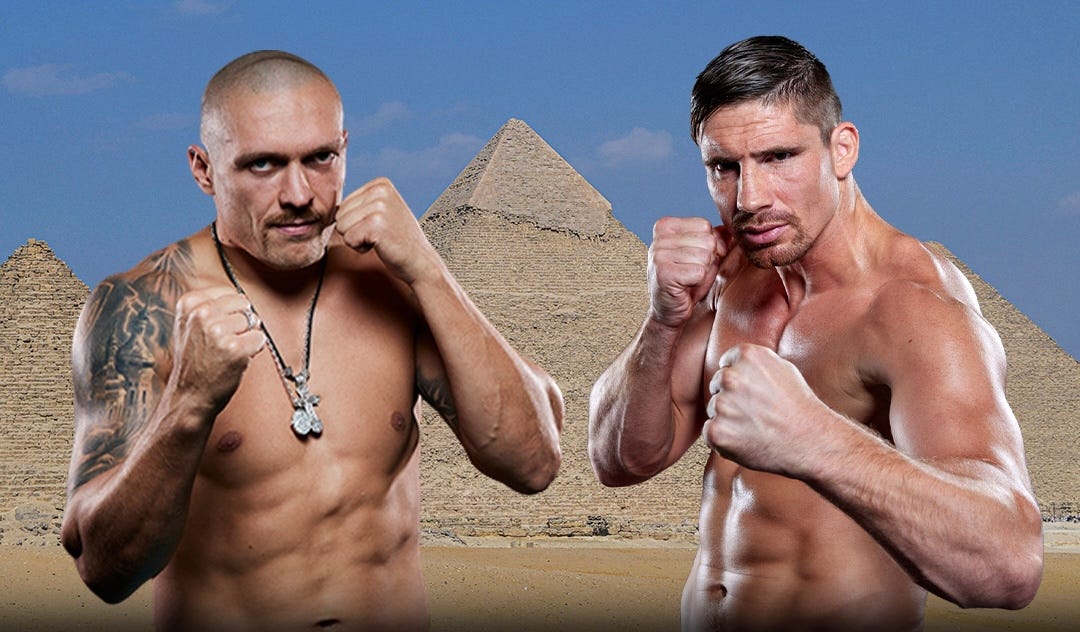
The May 23 WBC heavyweight title defense between Oleksandr Usyk and Rico Verhoeven, titled Glory of Giza: Undefeated Icons, represents a paradigmatic shift in championship matchmaking. By selecting the Pyramids of Giza, promoters are prioritizing global cultural prestige over traditional divisional hierarchies. Usyk, having systematically cleared the immediate pool of boxing contenders including Anthony Joshua, Tyson Fury, and Daniel Dubois, has turned toward crossover spectacles to maintain championship activity and commercial relevance.
This event underscores the expanding influence of Middle Eastern and North African capital, led by Turki Alalshikh, in reshaping the combat sports economy. Moving major bouts beyond Saudi Arabia to landmark Egyptian sites suggests a strategy of leveraging historical landmarks to enhance broadcast production value and state-level branding on the global stage.
Institutional Implications and Sanctioning Standards
The WBC’s decision to sanction a title defense against Verhoeven—a kickboxing icon with a 1-0 professional boxing record—introduces significant questions regarding institutional integrity. While Verhoeven’s 13 title defenses in GLORY establish him as a premier combatant, his limited boxing resume highlights a growing trend where commercial viability and digital viewership metrics, specifically for partners like DAZN, override traditional ranking systems.
This institutional flexibility temporarily sidelines top-ranked boxing contenders, shifting the division’s momentum toward high-reward entertainment models. By bypassing established challengers, the management teams are betting on a cross-disciplinary audience draw that merges the boxing and kickboxing fanbases into a singular commercial powerhouse.
Market Mobility and Professional Context
Rico Verhoeven’s transition into this high-stakes boxing environment follows his departure from GLORY and previous speculation regarding his trajectory in mixed martial arts. His market value, previously a subject of testimony in the UFC antitrust lawsuit involving Hunter Campbell, reflects an athlete seeking professional mobility outside restrictive promotional structures. This move allows Verhoeven to maximize his earning potential through a singular, high-autonomy event against a unified champion.
Operationally, the Glory of Giza event serves as a feasibility test for North Africa as a recurring destination for elite sports broadcasting. The logistical complexity of hosting a world-class event at an archaeological site aims to produce iconic imagery that justifies the exclusive streaming model, signaling a future where fight locations are as integral to the product as the competitors themselves.