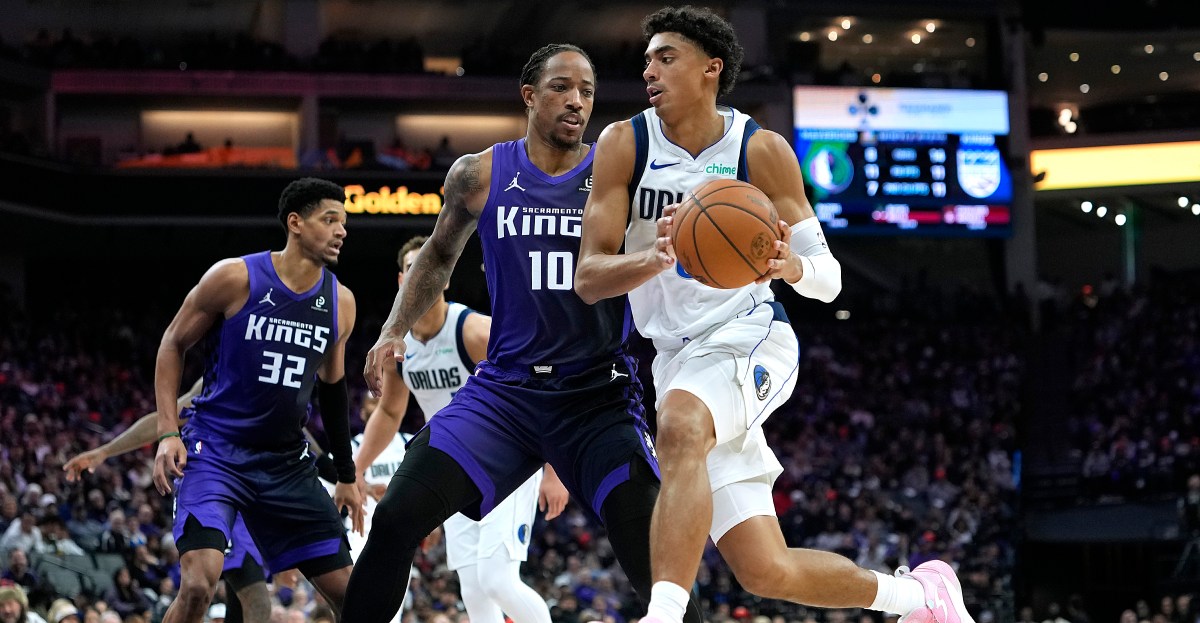
The February 26 matchup between the Sacramento Kings and Dallas Mavericks serves as a primary case study in divergent organizational trajectories. At 13-47, Sacramento has initiated an aggressive institutional pivot toward a full-scale roster reconstruction. This strategic shift is underscored by the indefinite absence of Domantas Sabonis and De’Andre Hunter—the team’s primary engines—creating a vacuum that has necessitated a reliance on high-volume veteran output within a framework currently prioritizing future draft capital over immediate win totals.
Russell Westbrook remains the primary outlier in this environment of intentional asset devaluation. Operating on a $3.6 million veteran-minimum contract, the 37-year-old guard is generating significant surplus value with averages of 15.3 points, 5.5 rebounds, and 6.3 assists. Westbrook’s ability to sustain elite rim pressure and offensive pace defies typical age-related regression, providing a functional floor for a Kings rotation that has otherwise faltered, losing 17 of its last 18 contests. His efficiency represents a strategic paradox: he provides a baseline of professional competency that conflicts with the organization’s pursuit of maximized lottery odds.
Defensive Architecture and Star Absences in Dallas
The Dallas Mavericks enter this contest navigating their own tactical limitations, missing cornerstone assets Cooper Flagg and PJ Washington. Despite these deletions, Dallas has maintained a resilient defensive identity, currently ranking eighth in opponent effective field goal percentage (eFG%) and 14th in overall defensive rating. This systemic stability suggests a coaching framework that is not entirely dependent on individual star power, allowing the Mavericks to remain competitive within the Western Conference hierarchy while managing a depleted rotation.
The absence of Flagg, in particular, forces an offensive redistribution across a roster grappling with minor injuries. However, the Mavericks’ ability to limit high-percentage attempts provides a significant margin for error against a Sacramento squad that has posted the third-worst offensive rating over its last 13 games. This defensive floor explains why Dallas remains a substantial favorite in betting markets, as their operational depth has proven robust enough to absorb star-level attrition without a systemic collapse.
Operational Fatigue and Market Projections
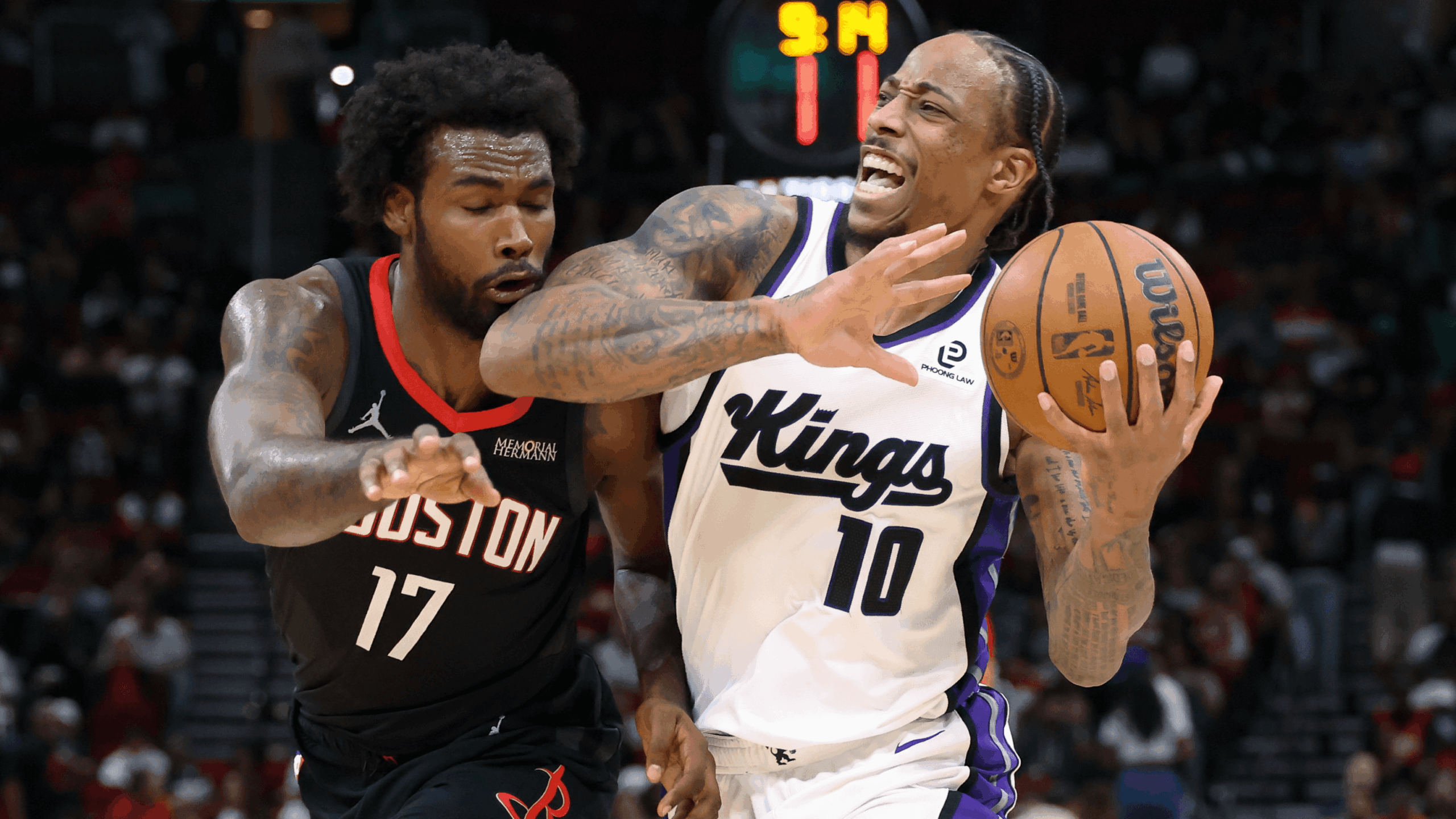
Scheduling dynamics further disadvantage Sacramento, as they enter the second night of a back-to-back following a 31-point loss to Houston. The physical toll of consecutive games, especially for a high-usage veteran like Westbrook, heightens the probability of defensive erosion. With only four road victories this season, the Kings face a statistical hurdle in surpassing a team total of 114.5—a mark they have failed to reach in nine of their last 13 outings, averaging just 106.8 points during that stretch.
The institutional consequences of Sacramento’s current trajectory point toward a multi-year timeline for competitive relevance, prioritizing the 2026 offseason and beyond. In contrast, the Mavericks’ defensive consistency without Flagg and Washington signals a stable foundation for long-term sustainability. The outcome of this game will ultimately be determined by whether Sacramento’s tired rotations can penetrate Dallas’s top-ten eFG% defense, or if the Kings’ commitment to a total rebuild will result in another night of offensive stagnation.