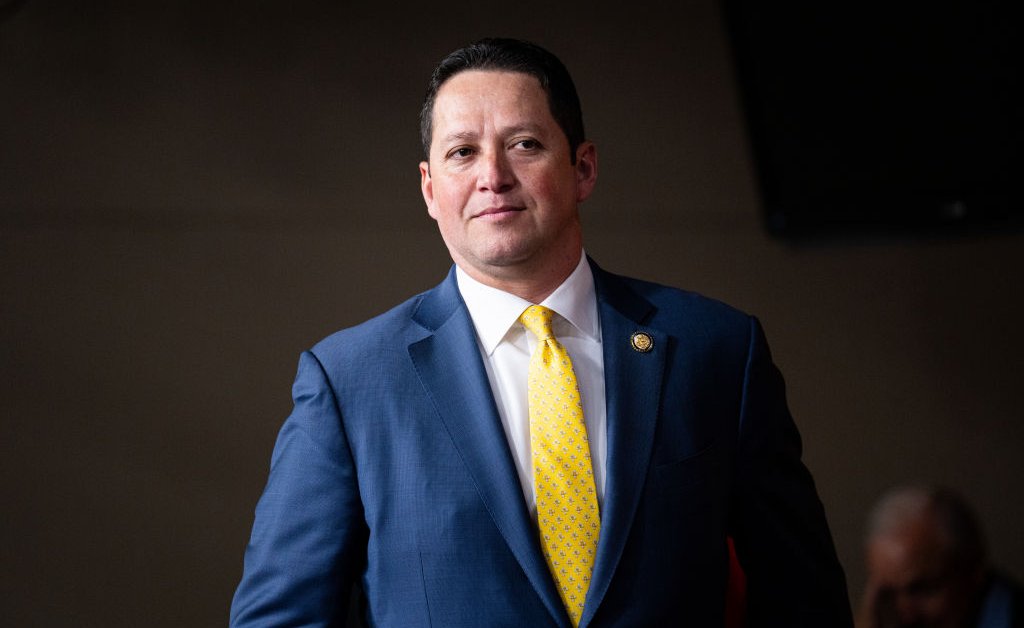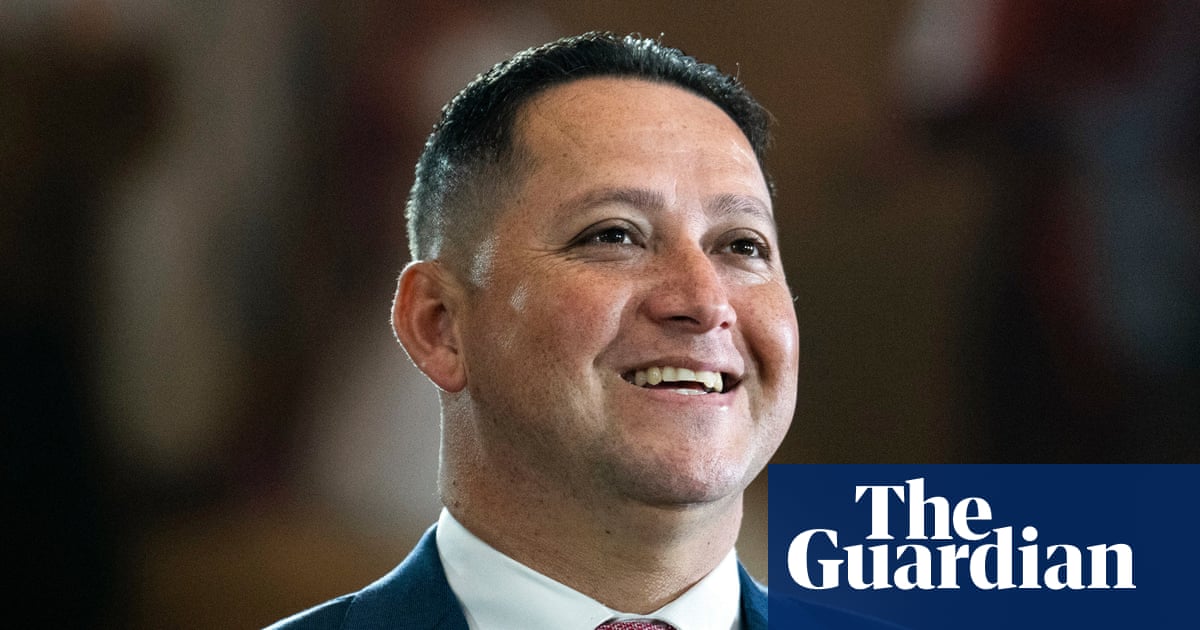
U.S. Representative Tony Gonzales (R-TX) is currently navigating a period of acute institutional friction, resisting a coordinated effort by members of his own conference to force his resignation. This political siege stems from documented allegations of a sexual relationship with a former staffer, Regina Ann Santos-Aviles, whose subsequent death by suicide has transformed a private scandal into a public crisis of accountability. The situation highlights a growing schism within the House Republican conference, where traditional party loyalty is being superseded by demands for ethical purity and strategic risk mitigation.
Forensic Evidence and the Erosion of Professional Boundaries
The impetus for the current calls for resignation is a series of digital communications published by the San Antonio Express-News and 24SightNews. These logs allegedly reveal a persistent pattern of inappropriate solicitation, including requests for sexually explicit imagery and personal queries that violated established workplace protocols. The evidence suggests a profound power imbalance; documentation indicates that Santos-Aviles repeatedly signaled that the congressman’s requests were crossing professional boundaries, establishing a narrative of non-consensual workplace harassment rather than a mutual affair.
From an institutional perspective, the specificity of these digital records complicates Gonzales’s legalistic defense. The refusal to step down forces the House of Representatives to confront the efficacy of its internal disciplinary mechanisms. If the House Ethics Committee initiates a formal investigation, the focus will likely extend beyond the individual texts to determine if official resources were leveraged to facilitate or conceal the relationship. This potential for forensic scrutiny represents a significant liability for an incumbent already fighting a multi-front political battle.
Intra-Party Schisms and Strategic Weaponization
The demands for Gonzales’s departure are notably led by the populist and libertarian-leaning wings of the GOP, including Representatives Thomas Massie, Lauren Boebert, Anna Paulina Luna, and Nancy Mace. This vocal opposition indicates that the allegations are being viewed through a dual lens: as a moral failure and as a strategic vulnerability that threatens the party’s narrow legislative majority. By publicly breaking with Gonzales, these members are signaling a shift in caucus management where internal policing is increasingly conducted through public pressure rather than private mediation.
Local political dynamics in Texas further exacerbate this isolation. Rep. Chip Roy and primary challenger Brandon Gill have leveraged the controversy to frame Gonzales as a liability to the 23rd District. Gill’s campaign, in particular, has utilized the ethical cloud to present a contrast in character, effectively turning a primary contest into a referendum on moral fitness. This internal revolt suggests that Gonzales’s support within his home state delegation has reached a critical low point, leaving him without the regional shield typically afforded to senior incumbents.
Operational Paralysis and Electoral Implications
The operational capacity of the 23rd District’s congressional office is under severe strain as the controversy persists. Allegations involving the death of a staffer introduce potential civil liabilities and administrative inquiries that transcend typical political optics. This environment creates a vacuum of leadership that hinders legislative productivity and constituent services, as the office remains focused on crisis management rather than policy execution.
The electoral timing is equally catastrophic. As the primary progresses, voters are forced to reconcile Gonzales’s moderate legislative record with the gravity of the leaked communications. The loss of institutional endorsements, coupled with the tragic circumstances surrounding the staffer, creates a negative feedback loop that favors well-funded challengers. Whether through a primary defeat or an eventual resignation, the outcome of this standoff will serve as a precedent for how the modern GOP navigates the intersection of digital-age scandals and institutional integrity.