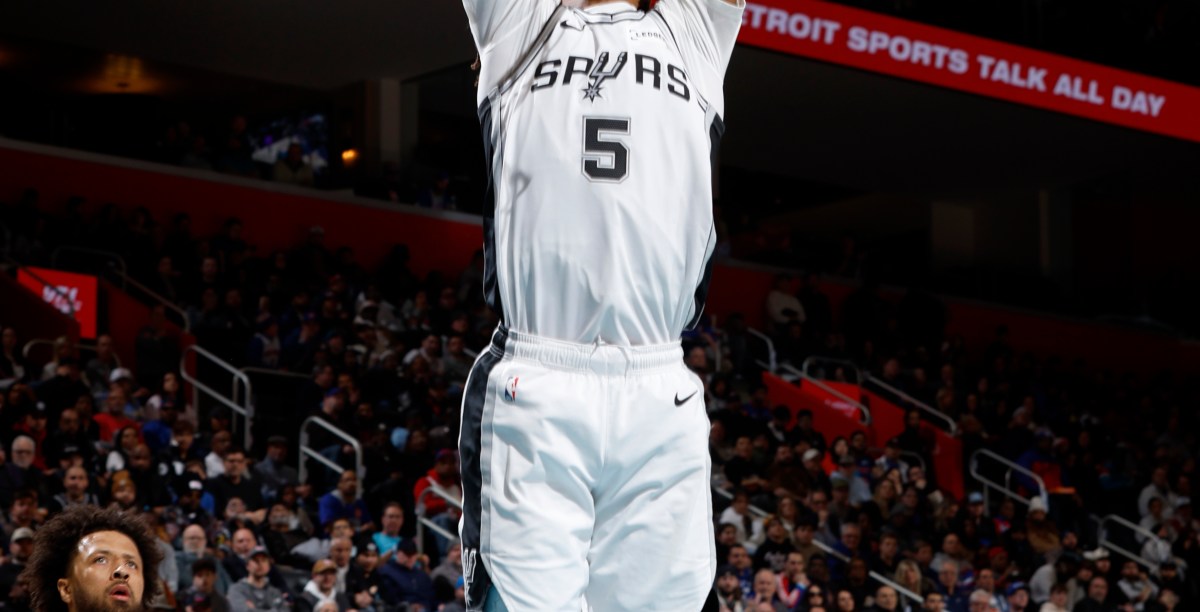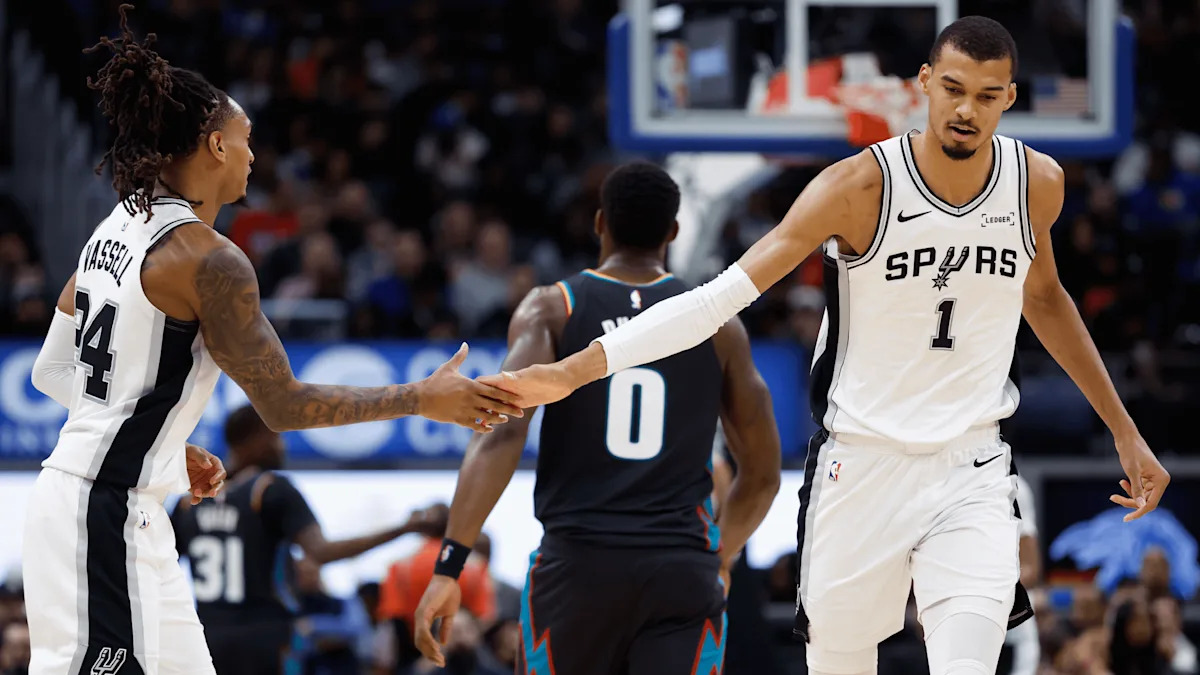
The post-All-Star break landscape has solidified into a high-stakes race for postseason positioning. For the San Antonio Spurs (41-16), their visit to Scotiabank Arena is more than a road fixture; it is a quest to maintain the NBA’s most formidable momentum. Currently riding a nine-game winning streak, San Antonio aims to complete a perfect February and further narrow the three-game gap separating them from the Western Conference-leading Oklahoma City Thunder.
Defensive Architecture: The Wembanyama Effect
San Antonio’s ascent is predicated on a transformative defensive identity, currently ranked third in the NBA in defensive rating. The structural centerpiece is Victor Wembanyama, whose elite rim protection has effectively neutralized high-percentage interior scoring. This defensive ceiling forces opponents into low-efficiency perimeter play—a critical factor against a Toronto Raptors squad that thrives on rapid ball movement and minimal time-per-touch.
The Spurs’ resilience is evidenced by their road performance, securing five of their last nine victories away from home. By leveraging length to disrupt passing lanes, San Antonio has achieved its longest winning streak since April 2012, establishing a tactical blueprint that prioritizes half-court suppression over high-variance shootouts.
Toronto’s Operational Friction and Tactical Deficits
The Toronto Raptors (34-24) enter this contest under significant duress. A modest 16-14 home record suggests a lack of traditional local dominance at Scotiabank Arena. Furthermore, Toronto’s average-to-below-level rebounding metrics present a severe mismatch against San Antonio’s verticality. The Spurs’ ability to generate second-chance opportunities through offensive rebounding threatens to dismantle Toronto’s transition-heavy rhythm.
Fatigue also looms as a primary variable. Toronto is navigating a back-to-back schedule, a scenario that historically correlates with diminished defensive rotations and increased turnover rates. This physical toll is exacerbated by the questionable status of Scottie Barnes; his potential absence would strip the Raptors of a versatile defender vital to their sixth-ranked defensive unit.
Market Analytics and Betting Projections
Betting models have set the Total at Under 229.5, reflecting the defensive efficiency of both franchises. This projection anticipates a disciplined, low-possession affair where efficiency in the paint dictates the outcome. Historically, San Antonio has dominated this series, winning four consecutive meetings—three by double digits. This trend underscores a structural mismatch: Toronto has struggled to counter San Antonio’s interior length, a deficit that remains unaddressed in recent personnel shifts.
Conclusion: Strategic Implications
A victory for San Antonio would signal a definitive shift in the Western Conference power dynamic, moving them closer to the top seed while validating their defensive-first philosophy. For Toronto, the stakes involve protecting their fourth-seed aspirations in the Eastern Conference. The outcome hinges on whether Toronto can overcome operational fatigue to disrupt the most disciplined defensive unit in the league.