Franchise De-Risking Through Preemptive Renewal Cadence
HBO’s decision to renew A Knight of the Seven Kingdoms for a second season, effectively greenlighting a planned three-season arc before the debut of the first, constitutes a significant institutional commitment designed to de-risk early capital deployment.
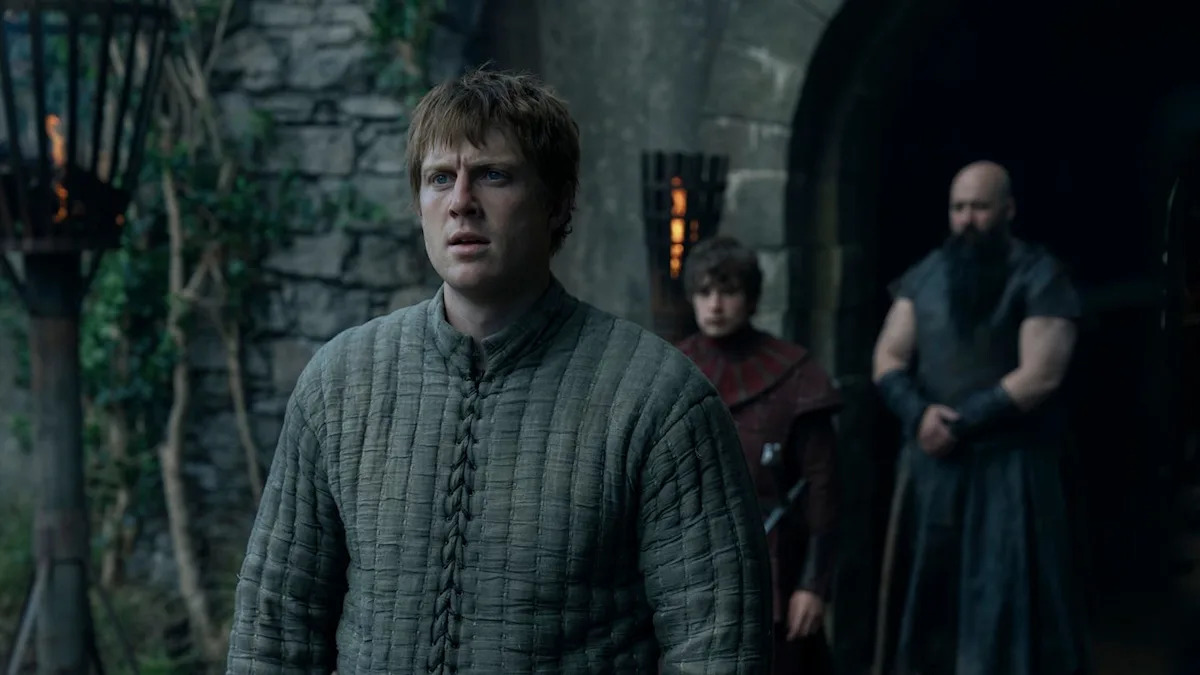
This preemptive greenlighting bypasses the conventional post-premiere evaluation cycle, as confirmed by Francesca Orsi, EVP and Head of Drama, HBO Programming. This indicates high internal conviction in the viability of the source material adaptation and the foundational casting of Peter Claffey (Dunk) and Dexter Sol Ansell (Egg).
The three-season commitment maps precisely onto the existing published source material—George R. R. Martin’s The Tales of Dunk and Egg novellas—establishing a finite, predictable production runway that eliminates narrative uncertainty inherent in open-ended series development.
Strategic Alignment with Canonical Source Constraints
The inherent structural constraint—only two further novellas exist beyond the initial tale adapted in Season 1—dictates a disciplined capital expenditure profile for this franchise extension. By front-loading the three-season commitment, HBO ensures the efficient exhaustion of known, canonical texts.
This approach establishes a clear, measurable benchmark for financial success for this smaller-scale Westeros venture, starkly contrasting with the geopolitical sprawl of Game of Thrones. A Knight of the Seven Kingdoms is positioned as a contained, high-quality asset engineered for efficient narrative closure, maximizing ROI by avoiding open-ended development overhead.
Accelerated Operational Momentum and Production Velocity
The operational cadence is aggressive: filming for Season 2 began in December 2025, preceding the February 22 finale of Season 1. This minimizes latency and maintains audience momentum.
Showrunner Ira Parker’s immediate engagement in teasing casting and production updates confirms a strategy focused on continuous content generation, immediately leveraging the established production infrastructure post-initial block. The consistent six-episode format (averaging 30-40 minutes) optimizes production throughput for faster turnaround times relative to larger fantasy undertakings.
Casting Dynamics and Narrative Fidelity Management
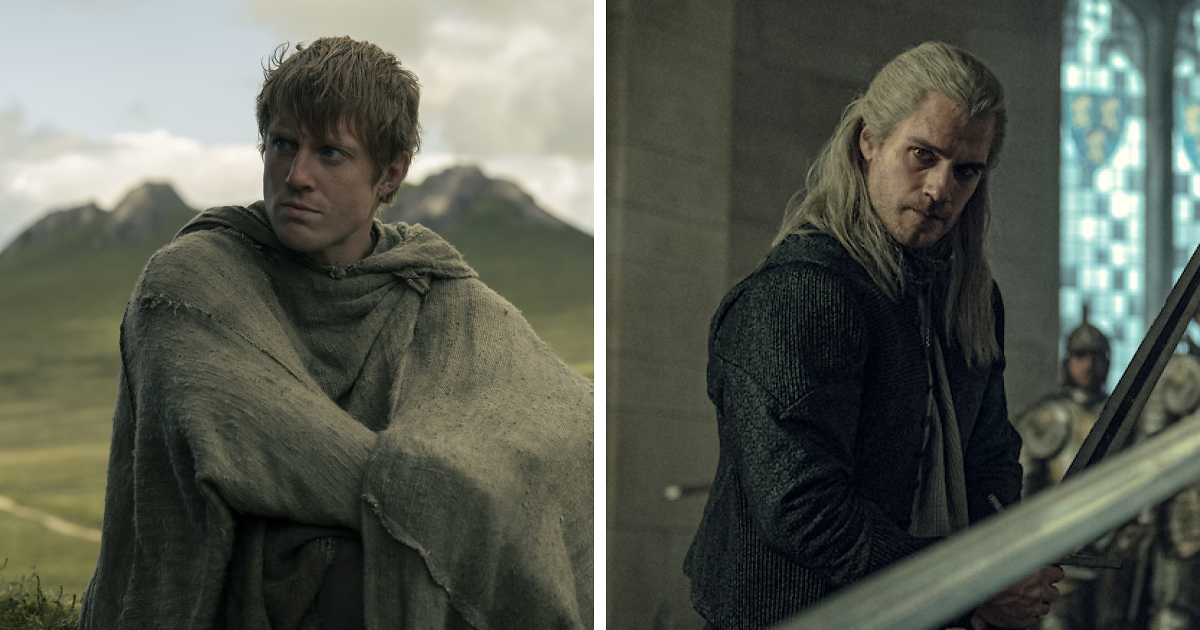
Fan engagement focuses on strategic casting announcements, evidenced by anticipation for a Rohanne Webber role and the explicit debunking of external speculation (e.g., Henry Cavill). This process balances leveraging IP recognition with maintaining fidelity to established character archetypes.
Parker’s confirmation of three new “brilliant” cast members underscores that expanding the narrative, even within tight novella confines, requires strategic infusion of new talent for subsequent arcs, placing significant performance pressure on these unannounced additions.
The swift counter to the Cavill rumor strategically reinforces the core creative mandate, centering promotional weight on Claffey and Ansell as the non-negotiable anchors of the series.
Competitive Positioning: Intimate Fantasy Portfolio Diversification
HBO is diversifying its high-fantasy portfolio by offering a lower-stakes, character-driven narrative alternative to its flagship geopolitical epics. Focusing on Dunk’s journey as a “would-be knight” targets viewers seeking an intimate, less politically complex entry point into Westeros.
This discipline—extracting value from niche, high-quality source material with a serialized structure—differentiates HBO from competitors relying on massive ensembles from the outset, broadening the IP footprint without audience cannibalization.
The Strategic Variable of Unwritten Source Material
While the initial three seasons cleanly align with existing novellas, the potential for George R. R. Martin to write future Dunk stories introduces a crucial long-term variable. Current reporting suggests skepticism regarding the timely materialization of these additions.
The current renewal structure is optimized for known quantities, positioning Season 3 as a definitive conclusion based on extant work. Should new novellas arrive, HBO faces a strategic choice: conclude the planned arc or commit further capital to an unproven narrative extension, potentially disrupting the established efficient production model.
Investment Thesis: Character-Centric Scalability
The institutional investment thesis, highlighted by Orsi’s praise, rests heavily on the performance leverage and chemistry between Claffey and Ansell, rather than spectacle. This mirrors the foundational success factor of early Game of Thrones: character arcs providing gravitational pull before large-scale conflict.
The success of this contained structure serves as a key internal metric for HBO regarding the scalability of character-focused adaptations derived from Martin’s extended universe, setting precedents for future ancillary property development mandates.
Production Economics: Short-Form Efficiency
The six-episode structure inherently optimizes production economics, likely reducing annual budget exposure while maintaining premium HBO quality standards. This model provides stable, predictable employment for the core team, fostering creative alignment without the burnout of perpetual open-ended cycles.
The rapid transition schedule (Season 2 production commencing before Season 1 aired) demonstrates robust internal pipeline management, ensuring maximum asset utilization and minimal creative downtime between serialized blocks.
Audience Validation and Organic Marketing Momentum
The positive post-premiere fan reception—particularly the appreciation for the story’s ‘down-to-Earth’ nature versus preceding political complexity—provides crucial post-hoc validation for the development team’s strategic direction.
This confirms audience appetite for focused, lower-volume entries into established universes, provided quality remains paramount. Concurrent social media engagement surrounding rumored casting (like Webber) signals that organic marketing momentum is activated around the sophomore season, reducing reliance on pure promotional spend.
Asset Portfolio Management and Risk Mitigation
The commitment signals strategic capital allocation toward diversification across the Westeros IP portfolio, preventing total franchise value reliance on the primary successor series. Investing in a narrative bound by finite novellas creates a low-risk, high-prestige anchor independent of the massive scale required by the main saga.
This dual-track strategy—maintaining the large-scale tentpole while cultivating disciplined, smaller spin-offs—is a mature method for maximizing long-term financial yield from globally recognized intellectual property.
Structural Significance of the ‘Would-Be Knight’ Narrative
The thematic pivot from high-stakes political maneuvering to Dunk’s personal quest for recognition reflects a structural understanding of audience fatigue within sprawling universes. This classical hero’s journey framework offers an emotionally resonant entry point distinct from established royalty power struggles.
The early renewal validates this character-centric pivot, establishing a precedent for mining ancillary IP by prioritizing thematic resonance and character development over immediate, world-altering events.
Leverage of HBO Brand Equity in Development Speed
Francesca Orsi’s confidence in planning three seasons based on internal assessments underscores the leverage derived from HBO’s premium brand equity. This institutional assurance allows for production schedules that maximize creative efficiency, accelerating the monetization timeline by bypassing protracted development limbo common elsewhere.
The early commitment also acts as a strong signal to the creative community regarding the stability and perceived value of collaboration within the HBO ecosystem for established literary adaptations.
Operationalizing Narrative Fidelity Through Structure
The six-episode structure directly mirrors the brevity of the source novellas, serving as an operational mechanism to enforce narrative fidelity—a critical factor in adapting beloved literature where deviation risks significant backlash.
This limitation constrains showrunners like Ira Parker to focus strictly on essential plot points, minimizing the need for costly, creatively risky original insertions required in longer seasons. This disciplined adaptation minimizes reputational and financial risk associated with narrative drift, preserving the core Dunk and Egg experience.
Dependency Structure: Martin’s Future Output
The acknowledgment of Martin’s potential future Dunk stories introduces ambiguity beyond the confirmed three seasons tied to existing novellas. If new material materializes, HBO gains an unexpected high-value pipeline, but current financial models appear to discount this possibility.
This forces Season 3 to function as a definitive conclusion based on known material, while creating a unique dependency structure where future renewal hinges on external, authorial output, not solely internal production momentum.
Managing Fan Expectations Through Casting Control
Active management of speculation, such as the swift debunking of the Cavill rumor, is essential for mitigating internal production pressure generated by digital virality. The production team reinforces its internal creative vision centered on character fit over external marketability metrics.
Conversely, the positive reception to rumored casting for characters like Rohanne Webber demonstrates audience receptivity to strategic announcements aligning with the established tone, creating a positive feedback loop for future talent acquisition.
Structural Segmentation via Novella Conclusion
The completion of the Ashford Meadow chapter in the first season finale provides a clean, justifiable narrative segmentation point, enabling marketing strategies that present each season as a distinct, self-contained adventure within the larger chronology.
This segmentation is crucial for sustaining viewer interest across potential gaps, as each installment delivers a complete narrative arc, even within the ongoing saga.