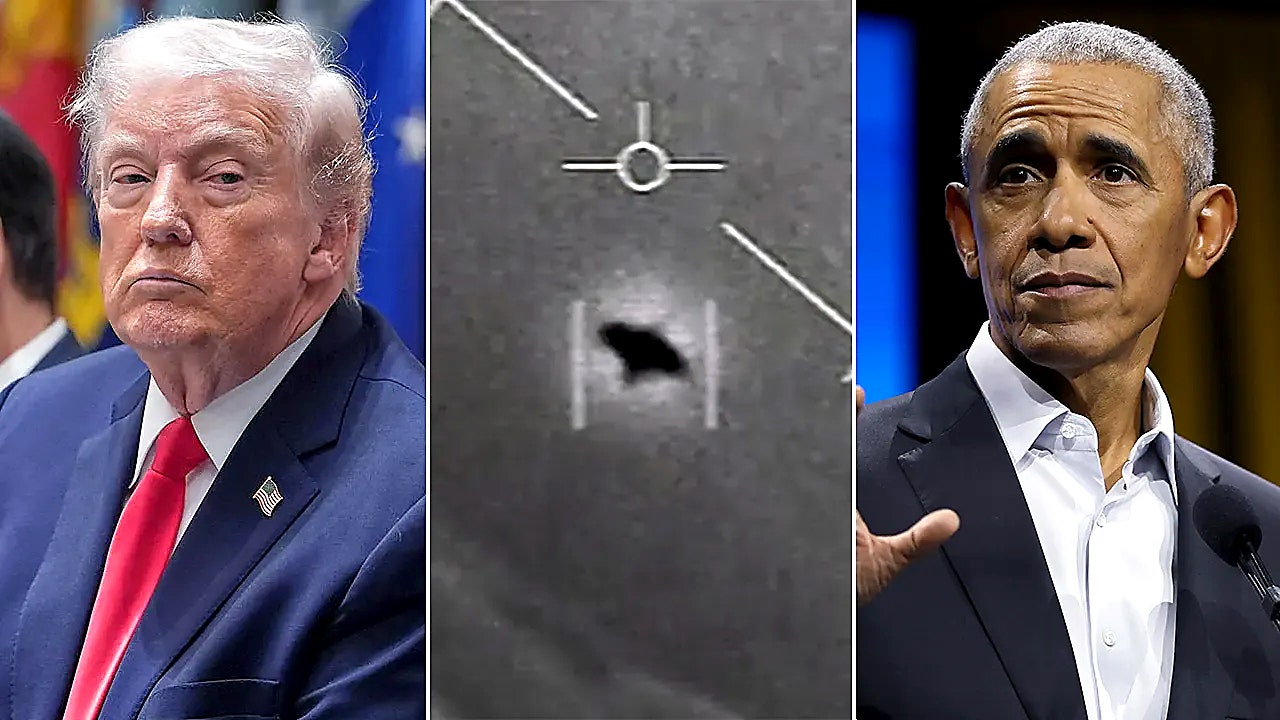
President Donald Trump has issued a formal executive mandate requiring the United States government to execute a systemic audit and declassification of records pertaining to Unidentified Aerial Phenomena (UAP) and non-terrestrial intelligence. This directive targets the Department of Defense (DoD) and intelligence community, signaling an institutional pivot from strategic ambiguity to a policy of transparency regarding atmospheric anomalies.
Executive Reorientation and Institutional Accountability
The directive, disseminated via Truth Social, instructs Secretary of Defense nominee Pete Hegseth and departmental heads to inventory and prepare classified dossiers for public release. By framing this initiative as a response to “tremendous interest,” the administration transforms a historically fringe topic into a core matter of institutional accountability and public service.
The operational burden necessitates a comprehensive review of legacy archives and Special Access Programs (SAPs). Agencies must now reconcile executive transparency orders with National Security protocols, ensuring that the release of sensor data or pilot testimonies does not inadvertently compromise sensitive collection methods or electronic warfare capabilities.
The Obama Catalyst: Classification and Legal Friction
The timing of this mandate appears to be a direct counter-response to recent public assertions by former President Barack Obama. Obama’s discourse regarding the reality of non-terrestrial phenomena has introduced significant friction within the executive branch regarding the boundaries of post-presidential disclosure.
Trump has characterized these remarks as a “big mistake,” alleging a potential breach of the legal frameworks governing classified data. This confrontation underscores a deepening rift concerning the lifetime obligations of former commanders-in-chief and the legal mechanisms used to protect sensitive government findings. While Obama has since shifted toward a statistical argument for life in the universe, the initial rhetoric served as the primary catalyst for this formal policy shift.
Strategic Challenges for the Intelligence Community
The transition from “UFO” to “UAP” nomenclature reflects a broader effort to standardize intelligence reporting across the Pentagon and the Office of the Director of National Intelligence (ODNI). The declassification process must navigate the “sources and methods” dilemma: releasing UAP evidence without exposing the technical specifications of the advanced surveillance platforms that captured the data.
Institutional responses likely involve the formation of specialized task forces to vet documentation for potential aerospace security risks. This surge in administrative priority may divert resources from traditional intelligence portfolios, reflecting a significant reallocation of taxpayer-funded archival and legal assets toward UAP disclosure.
Communications Discontinuity and Political Strategy
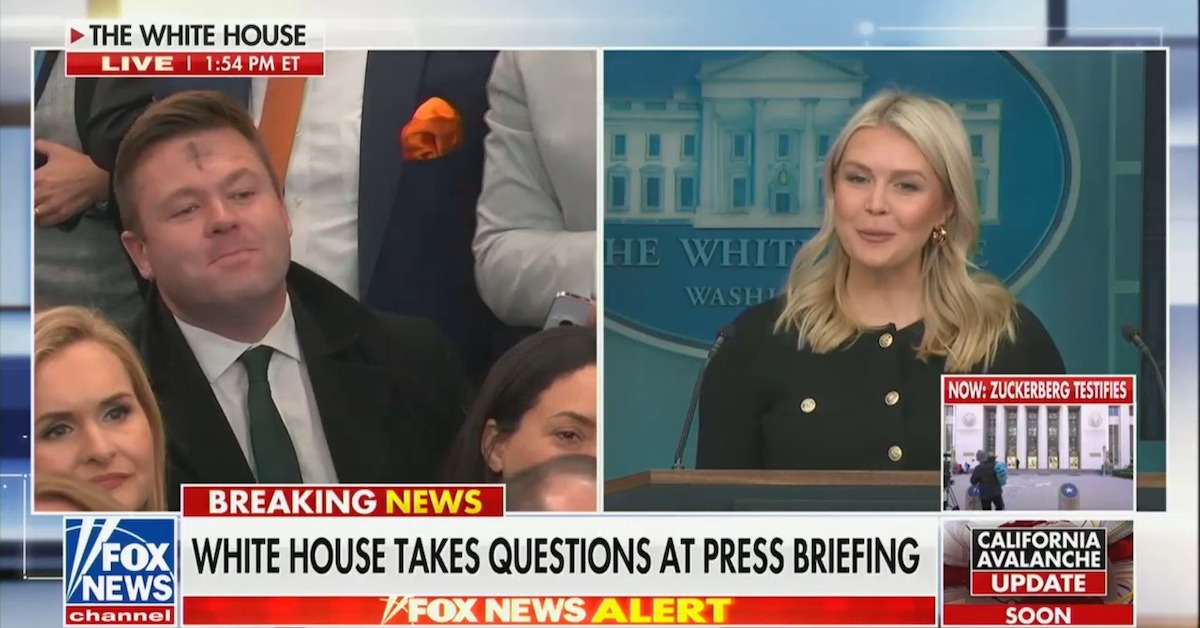
Internal coordination remains in flux, as evidenced by recent White House press briefings. While Press Secretary Karoline Leavitt appeared unaware of specific speech preparations, Lara Trump’s comments regarding a “prepared speech” suggest a high-level strategic rollout. This disconnect implies that the disclosure initiative is being managed by a tight circle of advisors, aiming for a high-impact, synchronized announcement at a politically advantageous moment.
Ultimately, the administration is positioning itself as a disruptor of government secrecy. The success of this directive will be measured by the substantive nature of the files released; heavily redacted documents may fail to satisfy public demand, while substantial disclosure could redefine the relationship between the executive branch and the global intelligence community.