The Intersection of Biographical IP and Urban Economic Stimulation
The premiere of FX’s Love Story: John F. Kennedy Jr. & Carolyn Bessette has triggered a significant economic shift within New York City’s hospitality sector, specifically targeting the East Village. This phenomenon illustrates the capacity of high-budget biographical dramas to convert historical nostalgia into immediate consumer demand through ‘set-jetting’—a trend where fictionalized portrayals of real-world locations generate new layers of commercial value for established institutions.
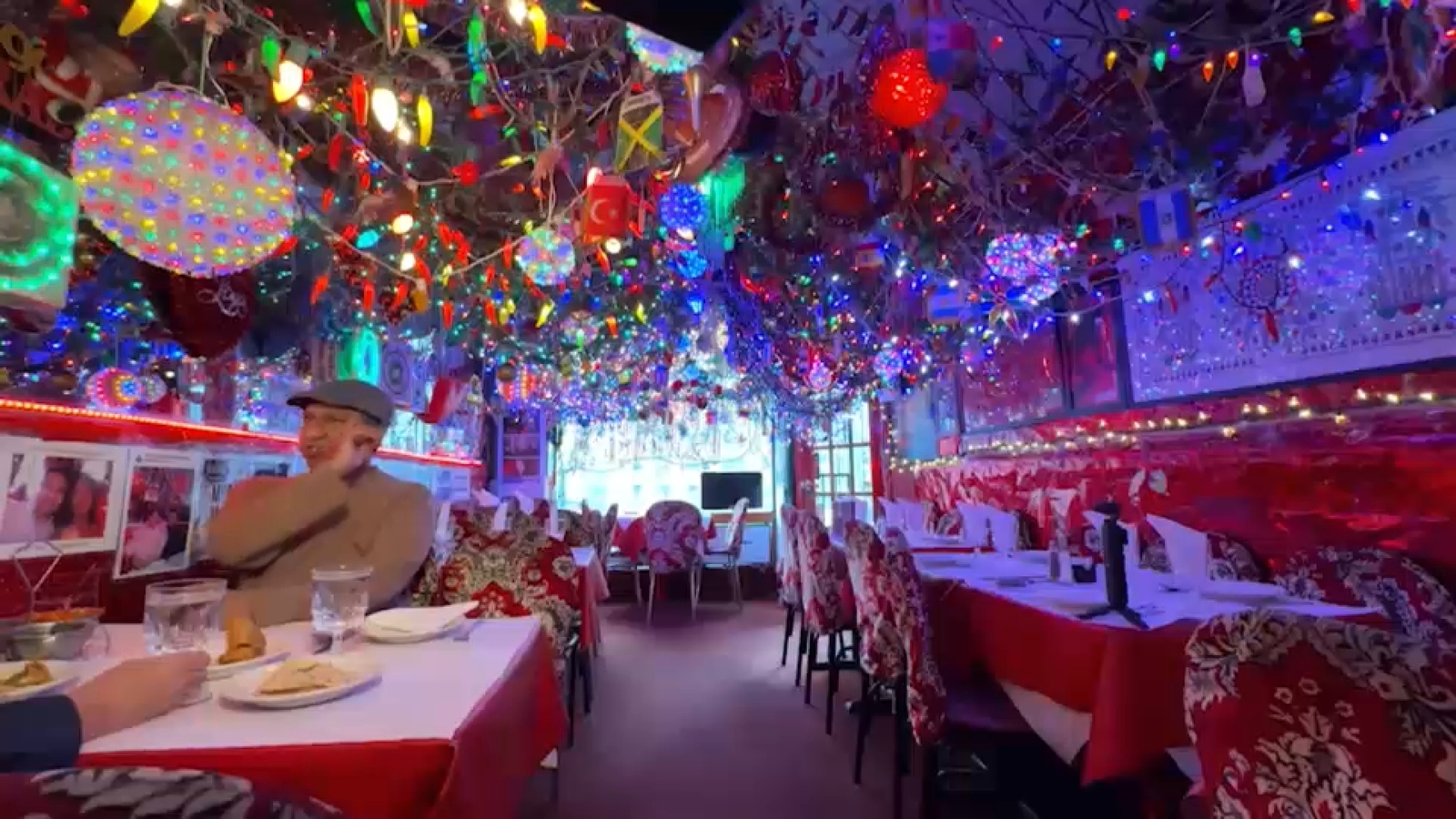
Panna II Garden Indian Restaurant, a neighborhood fixture, reported a revenue increase of up to 70 percent following its depiction as a pivotal narrative site. For ownership, this transition from a local staple to a global destination necessitates a rigorous recalibration of supply chain logistics and staffing to maintain operational standards under heightened public scrutiny.
The Strategic Value of Architectural Authenticity
The production’s decision to film at Panna II—a site frequented by the couple in the 1990s—reflects a commitment to atmospheric fidelity. By utilizing the actual environment where Kennedy and Bessette sought refuge, the creators have effectively commodified a private sanctuary for a global audience. Owner Boshir Khan’s accounts of the couple visiting during off-peak hours reveal the tactical measures public figures took to maintain privacy in a pre-digital era; the restaurant’s signature dense lighting served as a functional shield against the paparazzi.
This historical continuity provides the series with institutional credibility that is difficult to replicate on a soundstage. Furthermore, the restaurant’s history as a filming location for Sex and the City and Daredevil reinforces its status as a high-value asset within the NYC media ecosystem, capable of sustaining long-term cultural relevance through recurring screen appearances.
Institutional Friction and Brand Protectionism
The production has faced notable resistance from stakeholders like Jack Schlossberg, grandson of JFK, highlighting the tension between a family’s desire to protect a private legacy and a media conglomerate’s objective to monetize historical narratives. Executive Producer Brad Simpson has acknowledged this ‘intense feedback,’ which underscores the reputational risks inherent in dramatizing ‘American royalty.’
This scrutiny extends to the professional fashion sector, where Carolyn Bessette-Kennedy remains a foundational minimalist icon. Industry observers have critiqued specific aesthetic choices—such as hair color and wardrobe for actress Sarah Pidgeon—illustrating that in prestige television, visual accuracy is a form of cultural capital. Any perceived deviation from the ‘CBK’ canon risks alienating influential tastemakers and loyalist demographics.
Casting as a Risk Mitigation Strategy
The search for an actor to portray JFK Jr. involved vetting over 1,000 candidates, resulting in the selection of Paul Anthony Kelly. This exhaustive process serves as a form of risk mitigation; an unconvincing portrayal of a figure of national obsession could diminish the series’ long-term valuation on streaming platforms. The investment in such a wide-scale search demonstrates the high barrier to entry for productions attempting to navigate the space between imitation and narrative interpretation.
The Evolution of the Paparazzi Economy
The series explores the transition from the print-centric paparazzi culture of the 1990s to the digital surveillance landscape of today. By highlighting the couple’s attempts to hide under the lights of Panna II, the narrative provides a benchmark for how public figures managed their image before the advent of ubiquitous smartphone cameras. Ironically, the production itself was swarmed by modern onlookers during filming, creating a meta-narrative of media intrusion that reinforces the Kennedy brand’s enduring potency as a driver of engagement.
Conclusion: The Monetization of Nostalgia
The resurgence of Panna II and the rigorous public debate surrounding the styling of Love Story confirm that the Kennedy narrative remains one of the most valuable intellectual properties in the American media landscape. As new episodes debut on Hulu, the long-term impact on stakeholders—from small business owners to Disney’s distribution network—will clarify. What is already evident is that the strategic management of a high-value historical brand yields substantial returns when it successfully navigates the complex web of institutional, familial, and public expectations.