
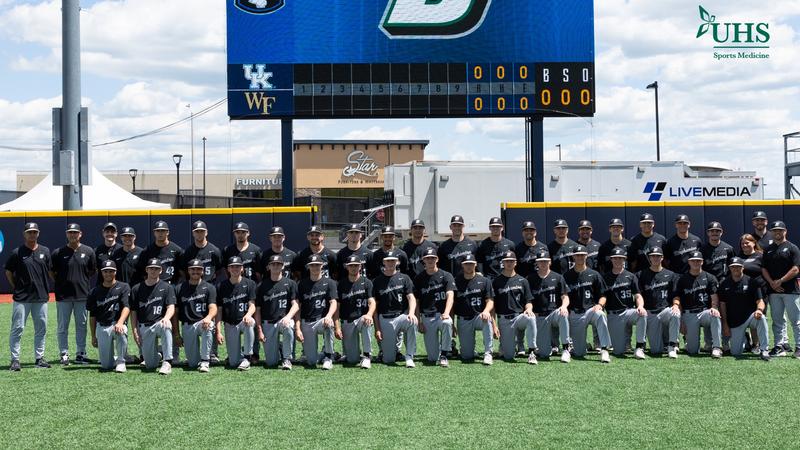
West Virginia (40-14) initiated its postseason campaign with a high-efficiency 10-1 victory over Binghamton (31-21) at Kendrick Family Ballpark. As the No. 16 national seed, the Mountaineers utilized the Morgantown Regional opener to validate their 40-win milestone while demonstrating the roster depth required for a deep tournament run.
Strategic Pitching and Bullpen Optimization
Chansen Cole (9-1) provided the defensive anchor, stabilizing the game after Binghamton took a brief lead in the second inning. Cole’s ability to limit the Bearcats to a single run allowed the Mountaineers’ lineup to methodically decipher Binghamton’s ace, Conner Griffin (3-4). The performance underscored a key statistical trend for Cole: high-leverage composure when pitching with narrow leads.
The deployment of David Hagen for a three-inning save, despite a substantial lead, suggests a calculated management of the pitching staff. In a double-elimination format, preserving high-leverage relievers for subsequent matchups against potential opponents like Wake Forest or Kentucky is essential. This strategic allocation minimizes the physical tax on the primary bullpen while ensuring game-one security.
Offensive Volatility and Velocity Metrics
The contest pivoted in the fourth inning, where West Virginia’s power metrics overwhelmed Binghamton’s secondary pitches. Matthew Graveline’s 412-foot two-run home run neutralised the Bearcats’ early momentum. This was immediately amplified by Ben Lumsden’s 413-foot three-run blast, marking a significant return to form for the infielder at a critical juncture in the postseason.
The offensive execution transitioned from power hitting to situational discipline in the sixth. Gavin Kelly and Armani Guzman capitalized on relief pitching with multi-run doubles, extending the lead to 10-1. This five-run surge effectively ended the competitive phase, allowing West Virginia to focus on defensive maintenance and run-prevention metrics in the final frames.
Institutional Impact and Tournament Architecture
Hosting the Regional provides West Virginia with a competitive and economic windfall. The infrastructure at Kendrick Family Ballpark, the result of long-term capital investment, serves as a force multiplier for a program looking to cement its status within the Big 12. For Binghamton, the loss highlights the perennial challenge faced by mid-major programs: the disparity in pitching depth when facing Power 5 rosters in a multi-day series.
The Mountaineers now occupy the winner’s bracket, a position that historically offers a 70% higher probability of advancing to the Super Regionals due to rest advantages. Conversely, Binghamton must navigate the elimination bracket with a depleted pitching rotation, requiring a high-resilience performance to stay alive in Morgantown.

Photo by jatocreate on Pixabay.