Strategic Readiness in the Persian Gulf
Defense Secretary Pete Hegseth has confirmed that US military forces remain in a heightened state of readiness to resume combat operations in the Persian Gulf. This posture serves as a primary instrument of coercive diplomacy while the administration evaluates potential breakthroughs in ongoing negotiations.
The strategic utility of this posture is twofold: it sustains essential force projection to secure maritime transit through the Strait of Hormuz while signaling to Tehran that the diplomatic window is narrow. By maintaining high operational readiness, the Department of Defense ensures that the transition from diplomatic engagement to kinetic action remains seamless.
The Strait of Hormuz as a Strategic Chokepoint
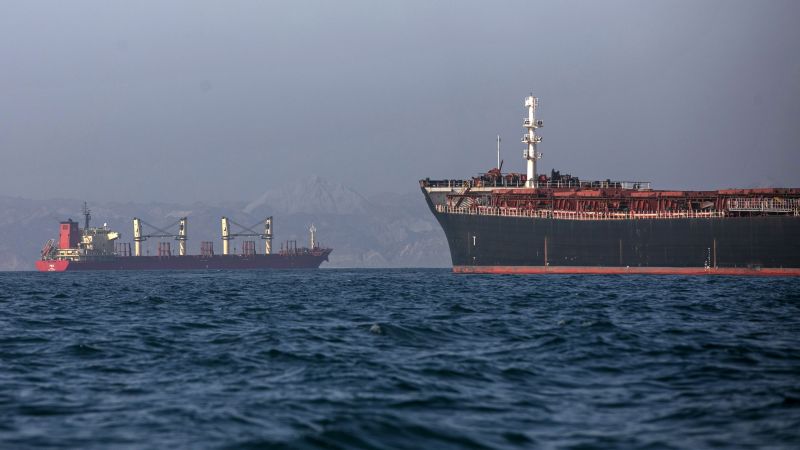
The Strait of Hormuz remains the focal point of current maritime tensions, acting as a critical artery for global energy markets. Recent US actions, including the interdiction of a Gambian-flagged vessel, underscore a commitment to enforcing maritime security and disrupting illicit logistical networks. This tactical intervention illustrates a containment strategy designed to isolate Iranian supply chains without precipitating full-scale regional conflict.
Diplomatic Deliberations and Nuclear Negotiations
President Donald Trump is weighing a tentative agreement that would facilitate the reopening of the Strait of Hormuz and potentially initiate nuclear talks. Following a recent session in the Situation Room, the administration has withheld formal announcements, signaling that the terms remain under intense internal review. The complexity of these deliberations lies in balancing maritime security with long-term non-proliferation objectives, requiring verifiable concessions from Tehran regarding its nuclear program.
Internal Assessments of Conflict Origins
The historical context of these hostilities has been complicated by claims from former IRGC Navy commander Hossein Alaei. Alaei reports warning senior Iranian official Ali Shamkhani of imminent conflict three days before the outbreak of hostilities, citing intelligence regarding a potential US strike on Supreme Leader Ali Khamenei. The apparent disregard of these warnings by Iranian leadership suggests a critical disconnect in their threat assessment and strategic outlook.
Regional Escalation and Operational Impacts
The conflict has expanded, with Hezbollah intensifying rocket and drone barrages against northern Israel, forcing the implementation of civilian defensive measures. As Israeli forces advance in southern Lebanon, the synchronization of these threats requires the United States to manage a multi-front security challenge. For the energy and shipping sectors, this volatility increases risk premiums and places significant pressure on global supply chains.
Analytical Synthesis
The current environment requires a delicate balance between coercive diplomacy and direct military posturing. The success of the US strategy is contingent upon the credibility of its military deterrent and the willingness of the Iranian leadership to engage in substantive negotiation. The lack of a formal breakthrough highlights the high-stakes nature of these deliberations, which will likely define the regional security architecture for the foreseeable future.