US Escalates Pressure on Iran with ‘Economic D-Day’ Campaign
The United States has launched an aggressive campaign, dubbed “economic D-Day,” designed to isolate Iran from the global financial system. This initiative involves the threat of penalties against nations and entities that continue to engage in trade with Tehran, aiming to sever the economic lifelines supporting the Iranian economy amidst ongoing regional conflicts.
This strategic shift by Washington signals an intensified resolve to employ economic pressure as a primary foreign policy instrument. The administration’s stated goal is to compel international actors to cease commercial dealings with Iran, thereby increasing financial strain on the targeted nation.
China’s Critical Role in Iran’s Trade Under Scrutiny
China is the most significantly exposed nation to these U.S. sanctions, being the largest purchaser of Iranian oil. U.S. government data indicates China accounts for approximately 90% of Iran’s oil exports, underscoring its vital role in sustaining Tehran’s economy and its access to international markets.
Bilateral trade between China and Iran reached $9.96 billion in 2025. This figure excludes an estimated $31.2 billion in undeclared Iranian crude oil shipments to China in the same year. This substantial volume highlights their deep economic interdependence and the potential impact of U.S. pressure on Beijing’s energy imports.
Circumventing Dollar Dominance and Sanctions
Independent Chinese refiners are reportedly absorbing the majority of these oil imports, often reclassifying the crude as Malaysian or Indonesian to obscure its origin. Transactions are frequently settled through intermediaries outside the U.S. dollar system, a strategy designed to circumvent existing sanctions and maintain the flow of Iranian oil to Chinese consumers.
The U.S. Treasury has previously sanctioned entities involved in these transactions, indicating a targeted approach to disrupting these alternative payment mechanisms. The continued reliance on such methods suggests a sophisticated network designed to shield Iran’s oil revenue from direct U.S. financial oversight.
Skepticism Surrounds U.S. Enforcement Capabilities
Despite strong rhetoric, skepticism persists regarding the administration’s willingness to fully implement stringent penalties against major trading partners. The effectiveness of the “economic D-Day” campaign hinges on the U.S.’s ability to enforce these threats, particularly against economically powerful nations like China.
A potential conflict is evident between the U.S. objective of isolating Iran and the commercial interests of governments that constitute the bulk of Iran’s remaining foreign trade. This dynamic creates a complex geopolitical scenario where economic leverage is pitted against national interests and established trade relationships.
Iran’s Defiance Amidst Economic Hardship
Iran’s government has responded with defiance. Its Finance Minister, Ali Madanizadeh, has stated Tehran’s readiness to counter sanctions. Top negotiator Mohammad Bagher Ghalibaf has similarly dismissed U.S. threats, signaling a determined stance against external economic pressure.
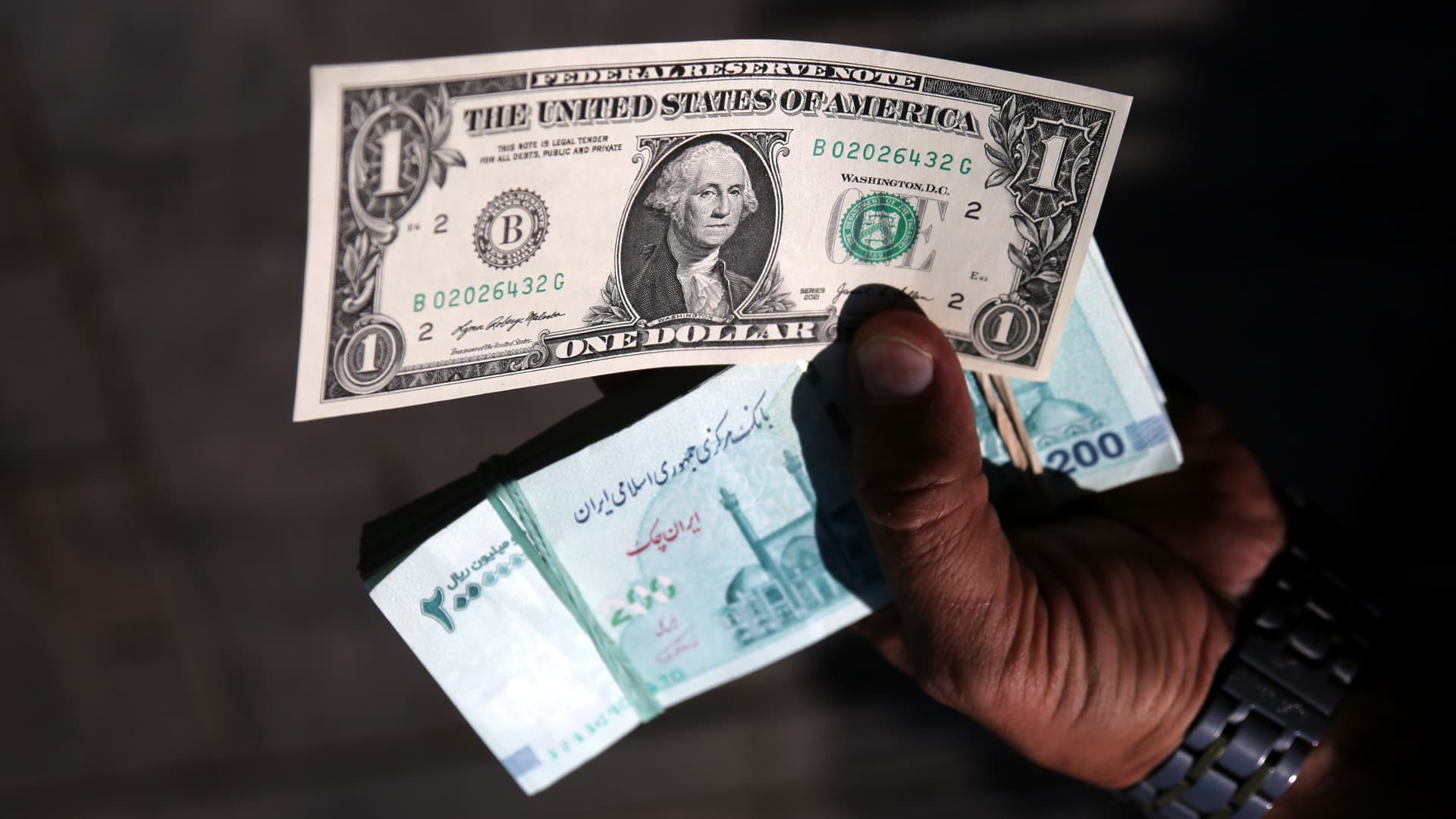
The Iranian currency has experienced a record low against the U.S. dollar. President Trump has asserted that Iran is “collapsing.” While Iranians are enduring significant financial hardship, the nation has a history of resilience in the face of prolonged economic adversity, suggesting that sanctions alone may not achieve immediate capitulation.
Impact on Individual Remittances
Beyond state-level trade, Washington’s measures are also poised to affect individuals sending money to family members in Iran. The U.S. Treasury has suspended a long-standing mechanism for such remittances, potentially disrupting vital financial support networks for Iranian citizens.
This aspect of the sanctions campaign highlights a broader strategy to intensify pressure on the Iranian populace, aiming to create internal dissent. The impact on these personal financial flows could have significant humanitarian implications and further complicate the economic landscape for ordinary Iranians.
Pakistan Navigates Diplomatic Engagements Amidst Sanctions
In parallel, Pakistan’s Interior Minister Mohsin Naqvi reported “significant progress” in talks with Iranian President Masoud Pezeshkian and Army Chief Asim Munir. These discussions suggest an ongoing effort by Pakistan to manage its relationship with Iran amidst heightened U.S. pressure.
The Pakistani engagement indicates a regional dynamic where neighboring countries are seeking to navigate the fallout from U.S. foreign policy shifts. The outcomes of these diplomatic overtures could influence regional stability and the effectiveness of the U.S. sanctions regime.
Strategic Underpinnings of the ‘Economic D-Day’
The “economic D-Day” strategy represents a significant escalation in the U.S.’s use of financial statecraft. It moves beyond traditional sanctions targeting specific individuals or entities to a more comprehensive attempt to choke off a nation’s access to international commerce and finance.
This approach relies heavily on the U.S.’s ability to influence global financial institutions and enforce secondary sanctions, compelling other nations to choose between U.S. market access and their trade relationships with Iran. The success of this strategy is contingent on the degree of international cooperation or acquiescence it can command.
China’s Strategic Calculus and Potential Responses
For China, the U.S. sanctions present a complex strategic dilemma. Beijing must weigh the economic benefits derived from Iranian oil against the potential repercussions of U.S. retaliatory measures, which could include restrictions on Chinese access to U.S. markets or financial systems.
China’s response will likely involve a careful balancing act, potentially seeking to maintain its energy imports through continued circumvention tactics while managing diplomatic relations with Washington. The extent to which China can absorb U.S. pressure will be a critical determinant of the sanctions’ overall efficacy.
The Role of Intermediary Nations and Financial Channels
The reliance on intermediary nations like Malaysia and Indonesia, and the use of off-dollar payment systems, underscores the adaptive nature of international trade in the face of sanctions. These mechanisms are crucial for Iran to continue exporting its oil and for buyers to receive it without directly confronting U.S. sanctions.
The U.S. Treasury’s prior actions against such intermediaries signal an intent to dismantle these alternative channels. This creates an ongoing cat-and-mouse game between U.S. enforcement efforts and Iran’s and its trading partners’ attempts to maintain economic ties.
Geopolitical Ramifications and Shifting Alliances
The “economic D-Day” campaign has broader geopolitical implications, potentially reshaping regional alliances and international economic alignments. Nations that continue to trade with Iran risk ostracization by the U.S., potentially pushing them closer to alternative economic blocs or spheres of influence.
This could accelerate trends towards de-dollarization and the formation of parallel financial systems, as countries seek to insulate themselves from U.S. extraterritorial sanctions. The long-term consequence could be a more fragmented global economic order.
Iran’s Resilience and Historical Context of Sanctions
Iran’s historical experience with sanctions has fostered a degree of economic self-sufficiency and a capacity for adaptation. The country has weathered extensive economic pressure for years, developing strategies to mitigate the impact of international isolation.
While the current U.S. campaign aims for a more decisive outcome, Iran’s demonstrated resilience suggests that achieving a swift collapse of its economy will be challenging. The effectiveness of the sanctions will depend on their sustained application and the ability to close off all remaining avenues for trade and finance.
Strait of Hormuz and Maritime Security Implications
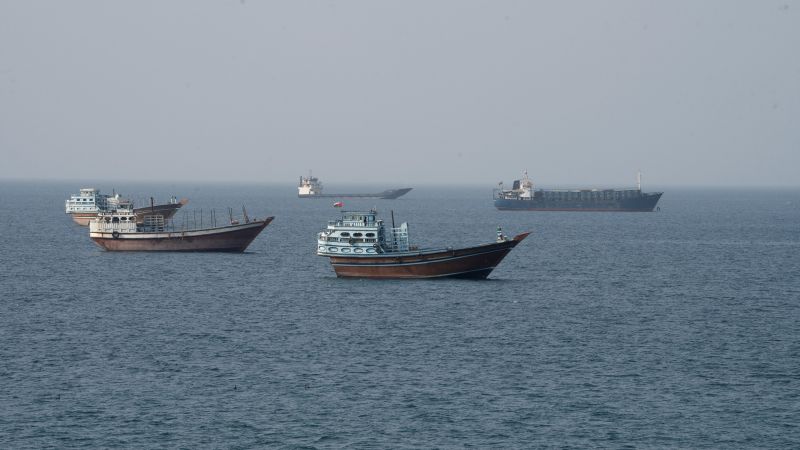
The mention of shipping firms risking penalties for responding to information demands from Iranian organizations managing the Strait of Hormuz highlights the intersection of economic sanctions and maritime security. Iran’s control over this vital chokepoint remains a significant factor in regional dynamics.
Any disruption to shipping in the Strait of Hormuz, whether by Iran or as a consequence of escalating tensions, could have severe repercussions for global energy markets. This underscores the interconnectedness of economic, political, and military factors in the region.
Future Trajectory of U.S.-Iran Economic Warfare
The “economic D-Day” announcement marks a critical juncture in the long-standing economic warfare between the U.S. and Iran. Its ultimate success will depend on the sustained political will of the U.S. administration to enforce its threats and the strategic responses of key international players, particularly China.
The campaign’s effectiveness will be measured not only by Iran’s economic contraction but also by its impact on global trade flows, international financial systems, and the broader geopolitical landscape. The coming months will reveal the true leverage of this intensified economic pressure campaign.