Trump’s NATO Criticism Intensifies Over Iran War Support, Exposing Deep Rifts
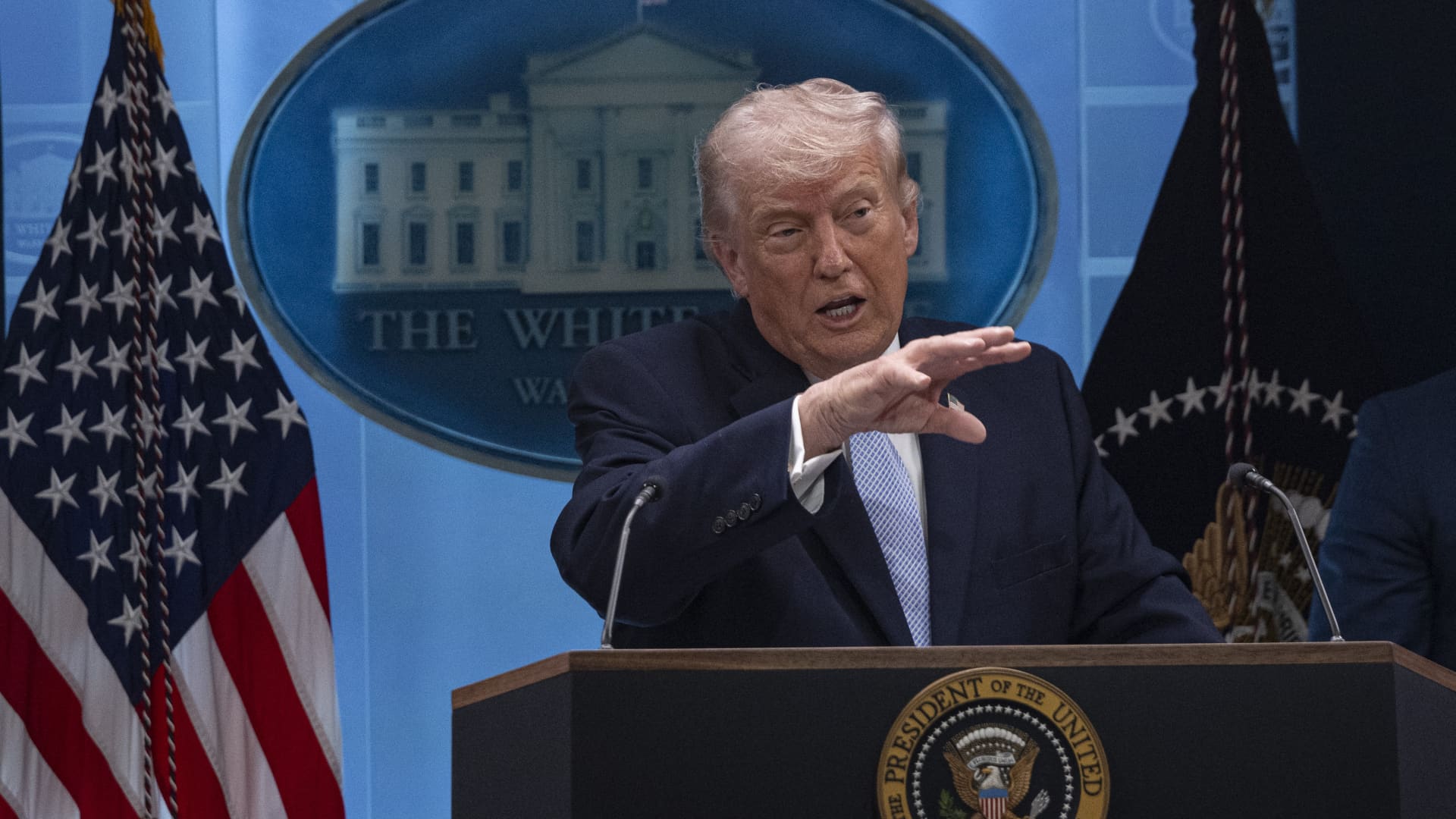
President Donald Trump has escalated his public criticism of NATO allies, focusing on their perceived lack of support during the recent Iran war. These pronouncements, delivered via social media and press conferences, underscore significant strain on the transatlantic security alliance, highlighting divergent strategic priorities and unresolved burden-sharing expectations during a period of heightened geopolitical tension.
Trump’s pointed Truth Social post, “NATO WASN’T THERE WHEN WE NEEDED THEM; AND THEY WON’T BE THERE IF WE NEED THEM AGAIN. REMEMBER GREENLAND; THAT BIG; POORLY RUN; PIECE OF ICE!!!”, directly links the alliance’s perceived failings during the Iran conflict to his long-standing, though previously rebuffed, interest in acquiring Greenland. He frames Greenland as a strategic asset allies have overlooked.
The timing of these remarks, following a declared two-week ceasefire in the Iran conflict, emphasizes Trump’s expectation of direct military support from alliance members in U.S.-led engagements. His assertion that NATO allies “were tested, and they failed” points to unmet demands fueling his discontent.
Trump’s frustration suggests a transactional approach to alliance membership, where contributions to U.S. military objectives are seen as prerequisites for continued participation and favorable relations. This implies a potential recalibration of diplomatic and economic ties for allies deemed unhelpful.
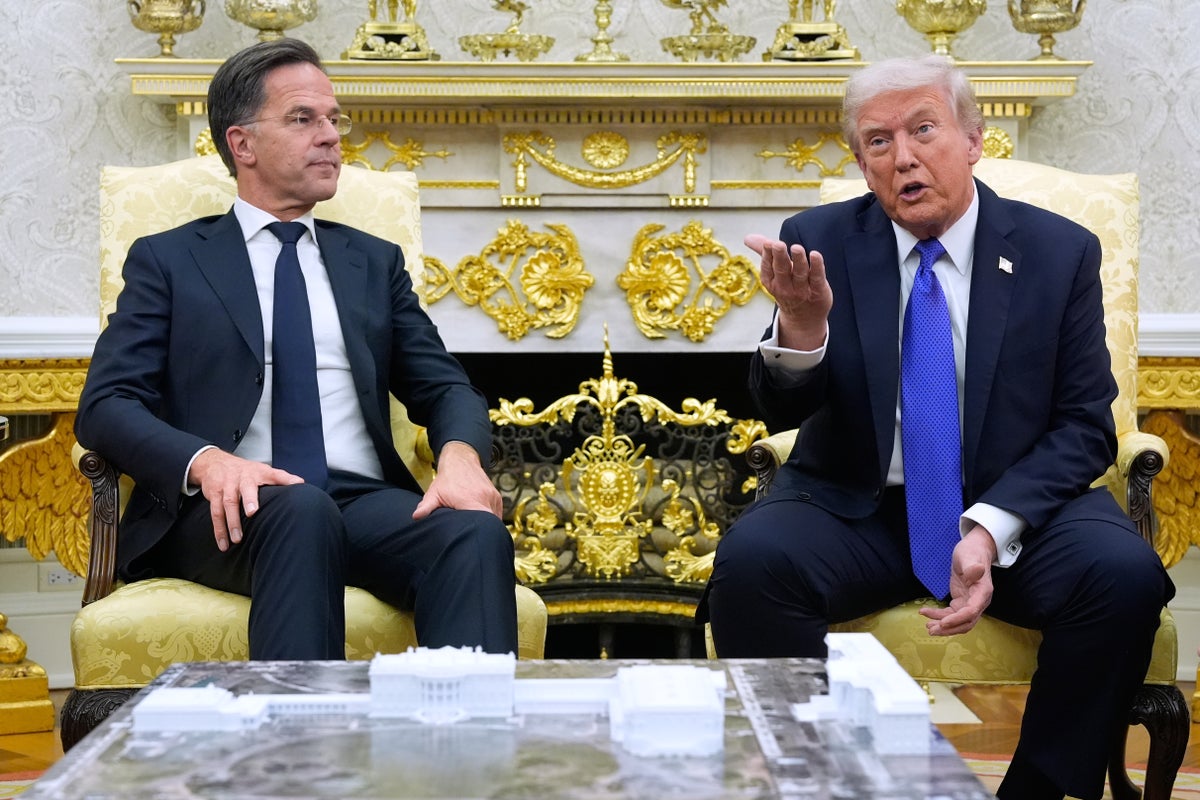
A meeting with NATO Secretary General Mark Rutte, described as “very frank and candid,” indicates direct engagement to convey these grievances. White House Press Secretary Karoline Leavitt confirmed Trump had “discussed” pulling out of NATO, signaling the gravity of his discontent and the potential for strategic realignment.
Trump’s persistent focus on Greenland, a Danish autonomous territory, as a “poorly run, piece of ice” the U.S. “wants” but allies “don’t want to give us,” reveals a broader strategic vision prioritizing territorial expansion and resource control, often at odds with international norms and allied interests.
The fallout from the Iran war has exposed deeper fissures in Washington’s relationship with NATO, moving beyond defense spending disagreements to fundamental questions of alliance commitment and strategic alignment. Trump’s rhetoric suggests a potential redefinition of U.S. security partnerships, where loyalty and active participation in U.S. military endeavors are paramount.
The strategic implications for NATO are substantial. Trump’s threats to withdraw or punish allies could destabilize the alliance, particularly if member states perceive a diminished U.S. commitment or an increasingly unilateralist foreign policy. This could embolden adversaries and weaken collective security arrangements that have underpinned transatlantic stability.
Furthermore, Trump’s emphasis on Greenland, juxtaposed with his criticisms of NATO’s performance, suggests a potential linkage between territorial ambitions and alliance obligations. Past overtures for Greenland’s purchase indicate a willingness to leverage diplomatic and economic pressure for territorial objectives, a tactic that could extend to alliance frameworks.
The current geopolitical climate, amplified by the Iran conflict and regional instability, heightens the significance of these internal NATO divisions. A fractured alliance would be less equipped to address emerging threats, potentially creating power vacuums exploitable by rivals.
Economic leverage, such as past threats of tariffs on European countries, could be repurposed to compel greater compliance with strategic demands, signaling a departure from traditional diplomacy towards a more coercive strategy.
The narrative around Greenland, presented as a strategic asset and a symbol of allied recalcitrance, reinforces Trump’s “America First” agenda. By highlighting perceived failures of international cooperation, he aims to justify a more insular foreign policy, potentially recalibrating global alliances and trade relationships.
NATO’s institutional response and that of its member states will be critical. A unified front emphasizing shared security interests could mitigate the impact of Trump’s criticisms. Conversely, internal divisions or a perceived weakening of U.S. commitment could accelerate the alliance’s fragmentation.
Long-term consequences could include European nations re-evaluating defense spending priorities, leading to greater self-reliance and diversified security partnerships, altering the global balance of power.
Trump’s consistent focus on burden-sharing takes on an acute dimension when linked directly to military support during active conflicts, demanding tangible contributions beyond financial commitments, potentially including direct military involvement.
The strategic positioning of Greenland, with its significant Arctic geopolitical and economic potential, remains a focal point for Trump’s calculus, indicating persistent interest in expanding U.S. territorial influence irrespective of international frameworks.
The alliance’s ability to withstand internal pressures depends on its foundational principles and member will. This episode underscores the fragility of long-standing alliances when faced with divergent national interests and leadership prioritizing transactional relationships.
Media amplification and contextualization play a significant role. Trump’s social media use bypasses traditional channels, allowing direct communication and pressure on allies, shaping public perception and diplomatic maneuvering.
Economic implications of a fractured alliance could include market uncertainty, trade disputes, and capital flow redirection as investors assess geopolitical risks, impacting the stability of trade blocs and security partnerships.
Ultimately, Trump’s stance on NATO, fueled by the Iran war and his interest in Greenland, represents a critical juncture. The coming months will indicate whether these tensions lead to a fundamental restructuring of transatlantic security or a reinforcement of existing commitments.
The historical context of NATO’s evolution provides a backdrop for these challenges. The alliance has weathered internal disagreements before, but the nature of Trump’s critiques presents unique pressures.
The U.S.’s strategic leverage within NATO is undeniable, but its effectiveness hinges on allied willingness to align with U.S. objectives, a willingness currently under strain.
Operational constraints for NATO members responding to U.S. military calls are complex, involving national sovereignty and political realities. Trump’s critique overlooks these, focusing on perceived immediate support deficits.
Capital movement within the defense industry could shift as nations reassess security needs and procurement strategies, potentially nationalizing or regionalizing defense investments.
The alliance’s performance leverage—its ability to project stability and deter aggression—is tied to perceived member unity, which is currently under severe strain.
Structural pressures on NATO are multifaceted, encompassing geopolitical events, leadership dynamics, and fundamental disagreements over responsibilities. The Iran war acted as a catalyst, exposing underlying tensions.
The distribution of advantage and disadvantage is complex: allies prioritizing independent policy may gain autonomy, while those reliant on U.S. guarantees face pressure; the U.S. risks alienating partners and diminishing its influence.
Plausible evolution scenarios suggest heightened uncertainty, potentially leading to a more fragmented global security environment or renewed efforts to reform NATO. The outcome depends on strategic decisions and the ability to navigate national interests versus collective security imperatives.