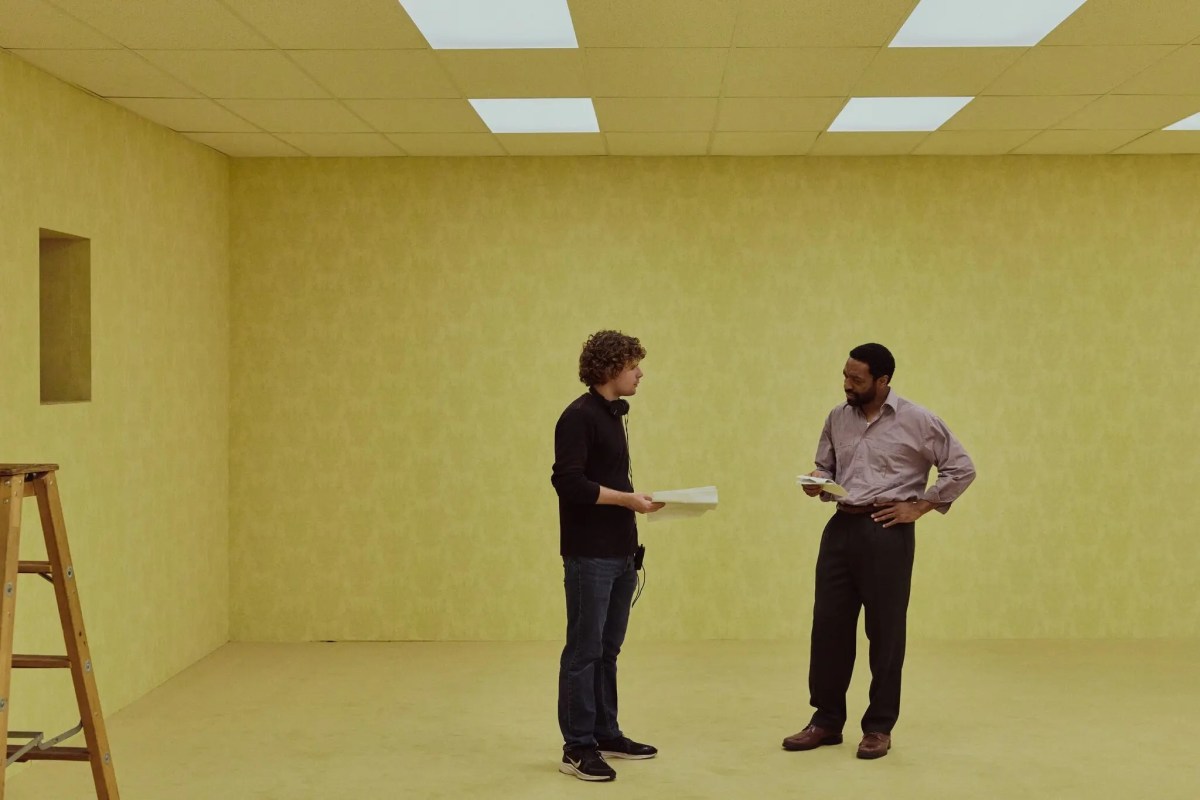
The Erosion of Traditional Box Office Gravity
The recent performance of horror features Backrooms and Obsession signals a structural shift in theatrical economics. By defying the standard industry decay curve—where films typically endure a 50 to 70 percent revenue drop in their second weekend—these titles reveal a fundamental change in how audience demand is synthesized and sustained.
While legacy studios rely on high-capital marketing saturation, these independent productions leverage established, high-affinity digital communities. This disconnect between traditional top-down promotion and organic, creator-led momentum is recalibrating the risk-reward ratio in cinema.
Operational Shifts in Independent Distribution
A24’s release of Kane Parsons’ Backrooms established a new internal benchmark, outperforming previous studio openings. This trajectory confirms that institutional value is shifting toward directors who possess both technical filmmaking literacy and a proven track record of audience retention on digital platforms.
The financial longevity of Obsession—which achieved a 39 percent revenue increase in its second weekend—demonstrates that word-of-mouth in the digital age acts as an effective offset to the lack of massive ad budgets. These dynamics suggest that authentic audience connection is now a more potent driver of theatrical attendance than traditional media spend.
Competitive Implications for Legacy Studios
The success of creator-led features represents an inflection point for major studios. When a low-budget project competes with or surpasses high-profile franchise entries, the market signals a pivot toward unique, non-formulaic content over legacy intellectual property.
This forces a re-evaluation of capital allocation. Studios historically tethered to high-cost, high-risk blockbusters now face a competitive landscape dominated by agile, low-cost productions. These features prioritize direct-to-audience engagement, exposing the inefficiencies of traditional, broad-spectrum advertising models.
Institutional Consequences and Long-Term Trajectories
The industry is responding by attempting to identify and acquire talent with established digital followings. However, there is a distinct risk that corporate interference could dilute the experimental, unformatted nature that secured these projects’ success in the first place.
As audiences increasingly reject generic narratives in favor of culturally resonant, niche-derived content, the ‘box’—the traditional studio framework—is no longer the sole arbiter of commercial viability. The future of film distribution likely lies in this hybrid model: prioritizing specific, high-intent demographics over broad, diluted reach to achieve long-term profitability in a fragmented media environment.