The Digital Economy of Vulnerability: From Crisis to Content Asset
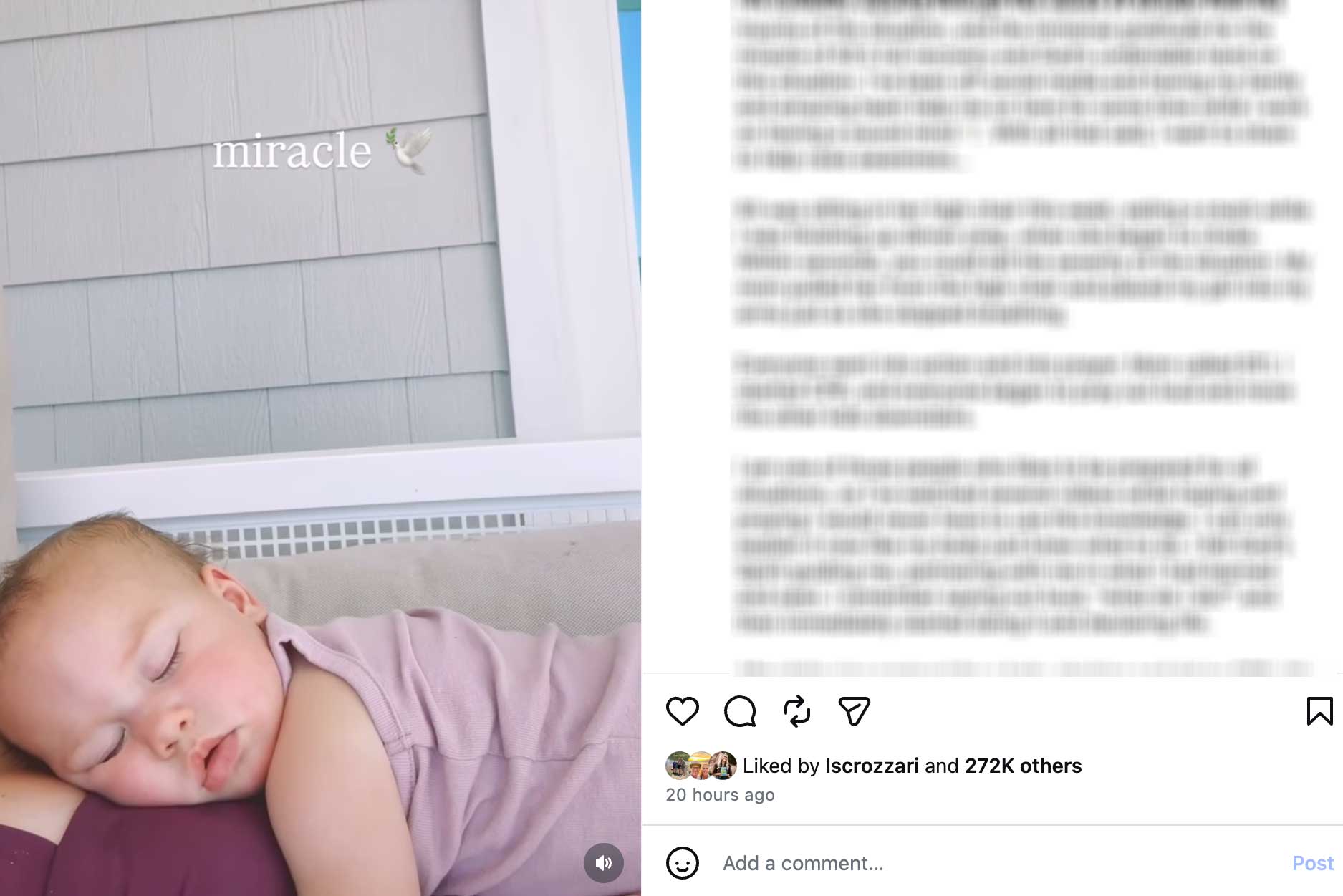
The decision by media personality Sadie Robertson Huff to share details of her infant daughter’s choking incident provides a compelling case study in the strategic deployment of personal vulnerability within the digital economy. In the attention economy, content that evokes strong emotional responses typically outperforms generic or purely promotional material. While framed as a genuine attempt to raise awareness, this disclosure simultaneously reinforces brand identity and deepens audience engagement. The event highlights the evolving dynamics of parasocial relationships, where authenticity serves as a primary currency for monetization.
Robertson Huff explicitly stated her intention to use the experience for public benefit, noting, “I do feel it is worth sharing because I truly believe awareness of it will save lives.” This positioning transforms a private trauma into a public service announcement, converting a moment of personal vulnerability into a high-engagement asset. This strategy aligns with the core tenets of modern influencer marketing, strengthening the bond between creator and audience through shared emotional experience and perceived relatability.
Strategic Niche Alignment: Faith-Based Branding and Ideological Reinforcement
For influencers operating within specific market niches, personal narratives serve a critical function in reinforcing core brand values. Robertson Huff’s brand, rooted in her background on “Duck Dynasty,” is built upon themes of family, resilience, and faith. Her statement crediting “God’s undeniable hand on this situation” positions the event within a specific ideological framework that resonates deeply with her target demographic. This alignment strengthens her credibility and authority within that niche, differentiating her from secular content creators.
The strategic use of faith-based language in describing the recovery transforms the event from a simple health scare into a testament of spiritual conviction. This approach leverages the crisis not only for awareness but also for ideological reinforcement, solidifying her position as a trusted voice within the faith community. The resulting engagement from this demographic is often more loyal and less sensitive to market fluctuations than general audience engagement, providing a stable foundation for long-term platform growth.
The Operational Paradox: Authenticity Requires Professional Management
The source mentions that Robertson Huff had her “family and amazing team help me on here for some time while I work on having a sound mind.” This detail reveals the operational complexity involved in managing a public persona during a personal crisis. The influencer’s team plays a critical role in maintaining brand continuity and managing audience expectations, even when the individual creator is emotionally unavailable. This highlights the institutionalization of influencer marketing, where personal brands are managed by professional teams to ensure consistent messaging and strategic outcomes.
This operational framework ensures that even personal trauma is integrated into the broader content strategy. The decision to take a break from social media, followed by a detailed post about the incident, demonstrates a carefully managed process designed to maximize impact while protecting the creator’s well-being. This creates a strategic paradox: perceived authenticity is, in reality, a product of sophisticated professional management.
The Disruption of Public Health Authority: Influence vs. Expertise
The incident underscores a significant shift in public health communication, where celebrity influencers frequently bypass traditional medical institutions to deliver critical information directly to their audiences. Robertson Huff’s stated goal of raising awareness about choking hazards demonstrates the potential reach and impact of this model. Influencers possess a level of trust and direct access to specific demographics that traditional public service announcements often lack, allowing for rapid dissemination of information to targeted communities.
However, this shift also presents institutional challenges regarding information accuracy and accountability. While an influencer can effectively raise general awareness, the information shared is anecdotal rather than standardized medical advice. The reliance on personal experience over institutional expertise highlights a growing gap between traditional information sources and the new media landscape, where perceived authenticity often supersedes professional authority in driving behavior change.
Market Implications and Content Diversification Strategy
The high engagement generated by crisis-related content often serves as a catalyst for content diversification and new product development. The public interest surrounding the choking incident creates an opportunity for Robertson Huff’s brand to expand into related areas, such as parenting resources, safety products, or further advocacy initiatives. This strategic pivot allows the influencer to capitalize on the heightened relevance of the topic, extending the monetization potential beyond simple social media engagement to tangible products or services.
The long-term strategic implication for the brand is the ability to leverage this event to transition from general lifestyle content to more specific, high-value content streams focused on parenting and child safety. This diversification strategy ensures sustained audience interest and provides new revenue streams, demonstrating how personal events are systematically integrated into a comprehensive business model in the modern media landscape.