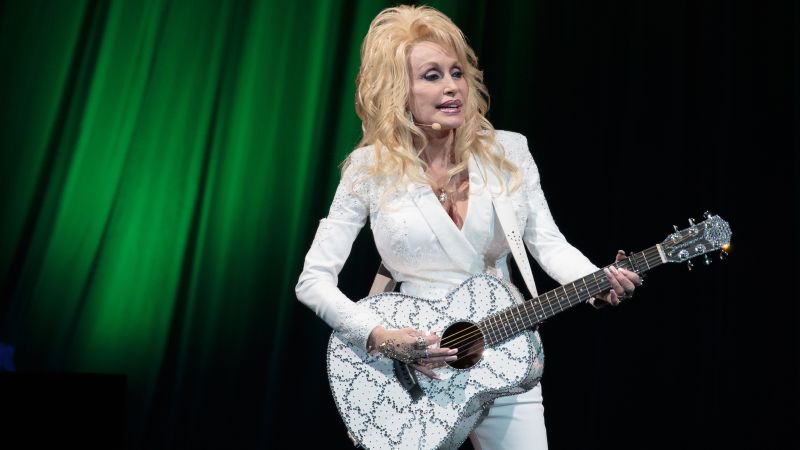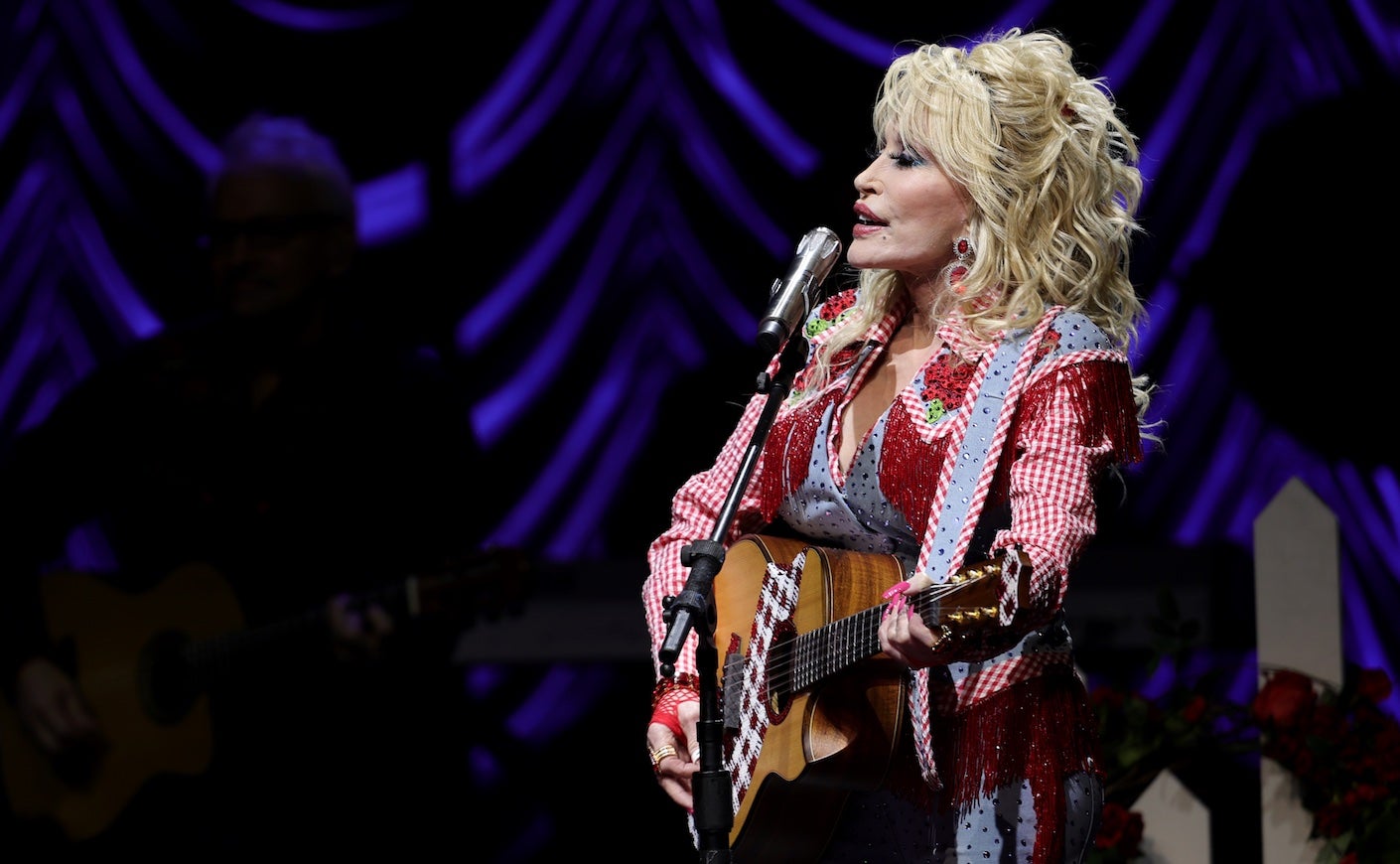
The passing of Dolly Parton on August 25 at the age of 80 represents more than a cultural milestone; it serves as a critical case study in the intersection of celebrity brand equity and the structural precarity of informal caregiving. Parton’s final chapters delineate a sophisticated tension between the preservation of a multi-generational public persona and the physiological toll of long-term domestic labor.
Parton’s strategic decision to maintain privacy during her oncological battle underscores a deliberate exercise of narrative agency. In a digital ecosystem that often commodifies celebrity vulnerability, her silence functioned as a protective mechanism for her brand’s core attributes—vitality, resilience, and optimism—ensuring that her professional legacy remained uncoupled from the optics of physical decline.
The revelation that Parton deprioritized her own medical needs while caring for her late husband, Carl Dean, who passed in March 2025, provides empirical evidence of the socioeconomic neutrality of caregiver attrition. Despite possessing vast resources, Parton’s experience highlights a systemic failure: the inherent self-neglect embedded in the current labor-of-care model, where the caregiver’s health is frequently sacrificed for the patient’s stability.
The Physiological Attrition of the Informal Caregiver
The data surrounding Parton’s health update identifies a profound public health crisis involving 63 million informal caregivers. This demographic operates as an invisible pillar of the healthcare infrastructure, yet they face a statistically significant increase in morbidity due to delayed diagnostics and chronic stress. Parton’s own complications—ranging from kidney stones to her eventually disclosed cancer—align with the ‘wear and tear’ hypothesis, where the cumulative strain of caregiving accelerates biological aging and illness.
In the American healthcare landscape, this phenomenon creates a secondary tier of health risk that policy frameworks often fail to address. By acknowledging these struggles posthumously, the narrative shifts the focus from individual sacrifice to a systemic lack of respite care and integrated health monitoring for those in primary care roles.
Strategic Brand Integrity and Asset Protection
Parton’s approach to her health crisis was an exercise in sophisticated legacy management. By controlling the information flow, she shielded her business interests—including the Imagination Library and her expansive intellectual property catalog—from the market volatility that typically follows the publicized illness of a principal asset. This maintained the stability of her philanthropic and commercial ventures through a period of personal instability.
The utilization of pre-recorded media, such as the “I ain’t dead yet!” video, demonstrates a proactive use of digital assets to manage market sentiment. This tactic allowed Parton to neutralize speculative narratives while reinforcing her public-facing identity, ensuring that the marketplace remained focused on her creative output rather than her clinical status.
Philanthropic Institutionalization and Social Capital
The transition of Parton’s influence from personality-driven charity to the institutionalized social capital of the Imagination Library marks a strategic pivot toward sustainability. Her request for donations in lieu of public memorials directs financial resources toward an organizational structure designed to outlive its founder, ensuring the continued capitalization of her literacy initiatives.
By bypassing a mass-scale public funeral in favor of a private service at Woodlawn Memorial Park in Nashville, Parton avoided the commercialization of grief. This decision prioritized familial dignity and focused public energy on the tangible metrics of her foundation, optimizing the impact of her final public communication while anchoring her resting place within the institutional heart of the music industry.
Economic Implications and Posthumous IP Strategy
The economic opportunity cost of caregiving, highlighted by Parton’s admission of ‘letting things go,’ reflects a broader macroeconomic issue. For millions of Americans, this self-neglect translates into lost productivity and heightened long-term burdens on public health systems. Parton’s narrative serves as a high-profile catalyst for a necessary shift toward integrated care models that treat the caregiver and patient as a singular unit of health.
Furthermore, the mention of a ‘secret song’ to be released in the future indicates a refined posthumous content strategy. By staggering the release of intellectual property, her estate can maintain market relevance and ensure a steady revenue stream for her philanthropic goals, effectively managing her cultural and economic presence in perpetuity.
Conclusion: A Blueprint for Dignified Agency
Dolly Parton’s legacy is defined by the convergence of personal sacrifice and strategic foresight. Her struggle with the dual burdens of caregiving and illness offers a sobering commentary on the limitations of individual resilience. Ultimately, her final arrangements provide a masterclass in how a global figure can navigate mortality with both dignity and a clear-eyed understanding of brand institutionalization, leaving behind a blueprint for both social awareness and legacy preservation.