Institutional Gravity and Public Persona
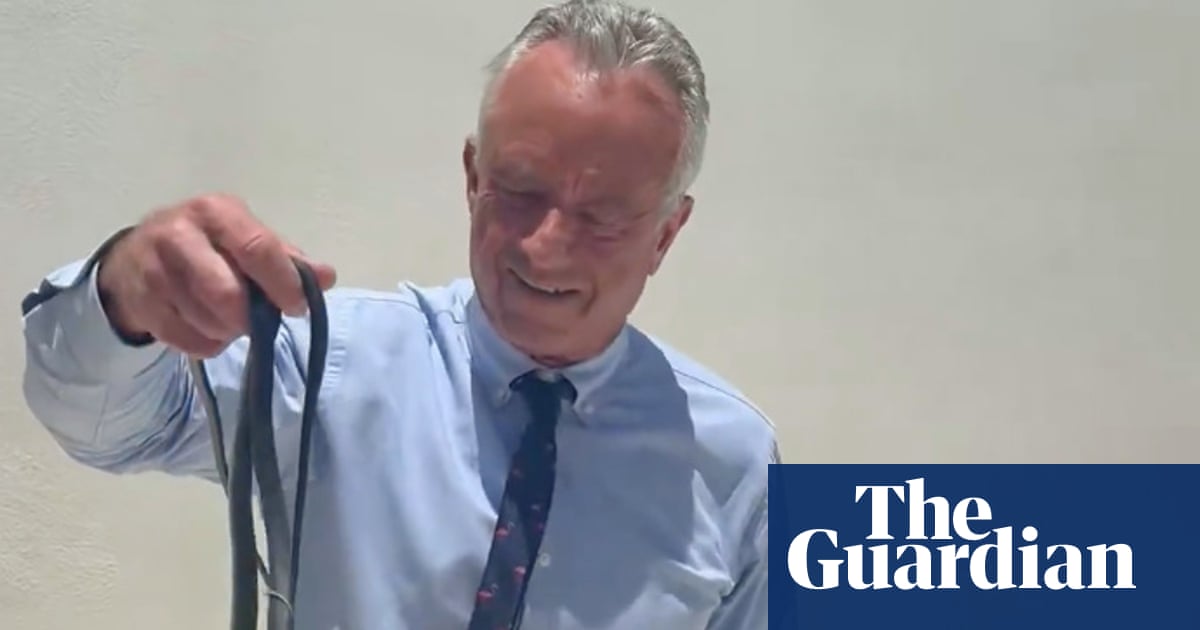
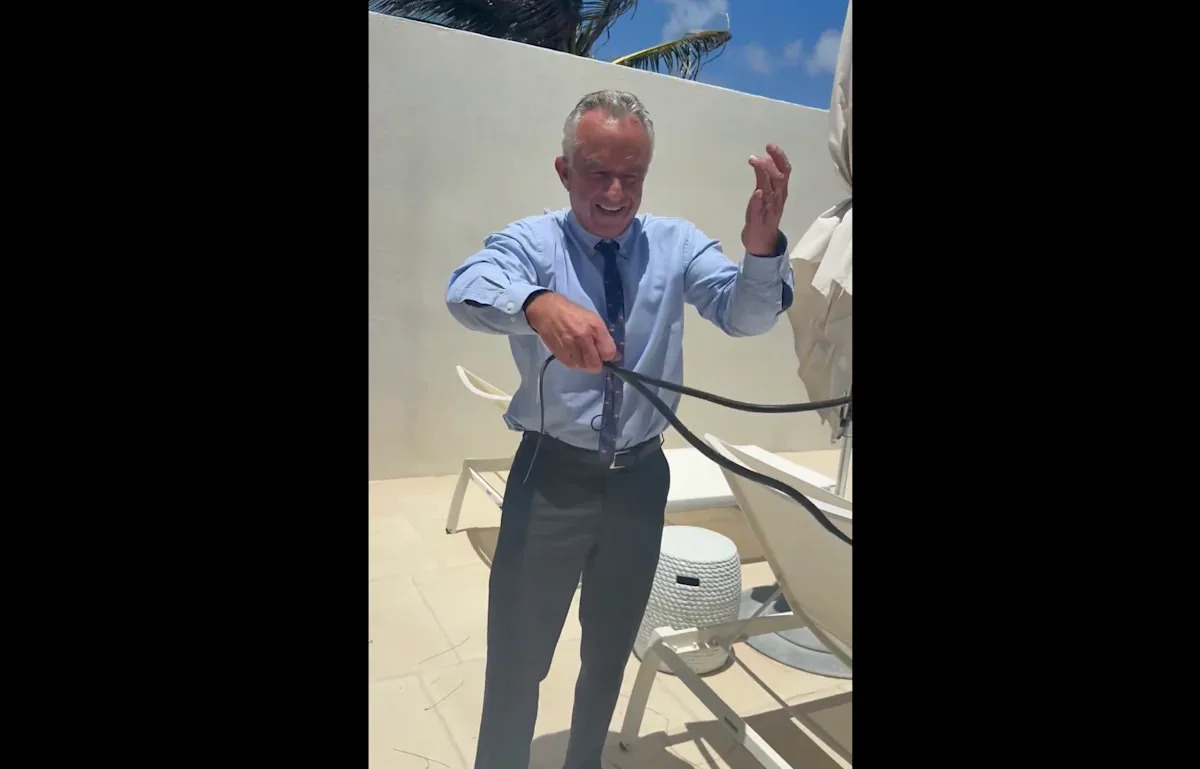
The recent documentation of Health and Human Services Secretary Robert F. Kennedy Jr. physically removing snakes from the Florida property of CMS administrator Dr. Mehmet Oz underscores a growing friction between personal autonomy and the decorum expected of high-level government officials. As digital media blurs the demarcation between private conduct and executive duty, such incidents undergo intensified scrutiny. This event, captured and disseminated via social media, serves as a catalyst for broader inquiry into the alignment of administrative leadership with the solemnity of federal office.
For stakeholders in the healthcare sector, this incident highlights a lack of insulation between personal rapport and professional governance. When senior administrators engage in activities that deviate from standard professional norms, they inadvertently invite questions regarding their focus and the prioritization of their departmental mandates, which govern significant federal budgets and regulatory frameworks.
Operational Hazards and Professional Continuity
The act of handling wildlife—evidenced by the documented bite sustained by the Secretary—poses inherent operational risks. While the species involved may be medically insignificant, the propensity for physical engagement with unpredictable environments contrasts sharply with the calculated, desk-bound nature of cabinet-level governance. For the Department of Health and Human Services, maintaining the Secretary’s physical health and public reputation is an implicit operational priority; repeated exposures to unnecessary risks may disrupt the continuity of departmental objectives.
Furthermore, the pattern of these incidents—following previous reports regarding a bear cub and a raccoon—suggests a behavioral consistency that may complicate the administration’s strategic efforts to project discipline. Public vulnerability in these moments can be perceived as a failure of risk assessment, a faculty central to the management of national health infrastructure.
Strategic Impact on Institutional Reputation
The credibility of a federal agency is contingent upon the perceived stability and judgment of its leadership. When a Cabinet secretary becomes the subject of viral wildlife content, the resulting media cycle often shifts discourse from substantive policy achievements to personal eccentricities. This displacement of focus is detrimental to strategic communication goals, particularly when the administration requires bipartisan consensus on complex healthcare reform or regulatory adjustments.
The proximity of this incident to the CMS administrator’s residence raises concerns regarding the professional distance required for objective, institutional decision-making. The perception of a blurred line between personal friendship and policy coordination risks undermining the perceived impartiality of the HHS and CMS regulatory processes.
The Challenge of Modern Political Leadership
By leveraging digital media to showcase these encounters, the Secretary has effectively integrated his personal persona into his public role, effectively opting into a heightened level of scrutiny. While such transparency may be intended to convey authenticity, it risks eroding the institutional weight essential to governing a nation’s health apparatus. The long-term efficacy of the department may be hampered if public perception remains fixated on personal behavior rather than policy output. Ultimately, these events serve as a case study in the modern struggle for executive figures to balance personal expression with the rigorous expectations of public service.