Texas Hill Country Reels Under Catastrophic Flooding, Two Fatalities Confirmed
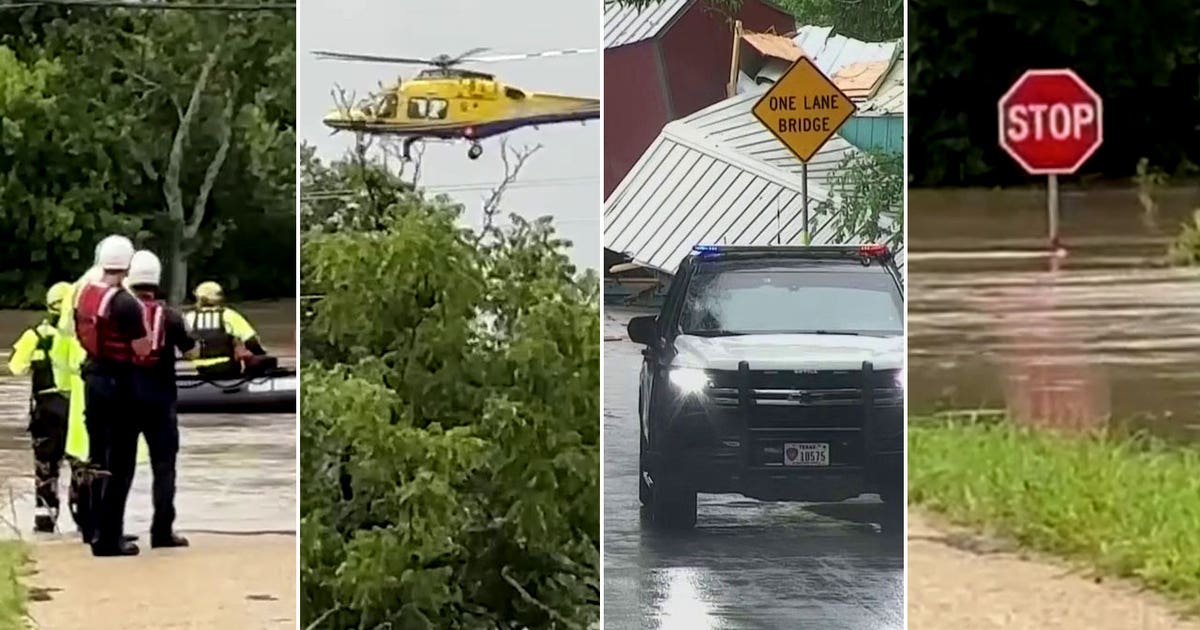
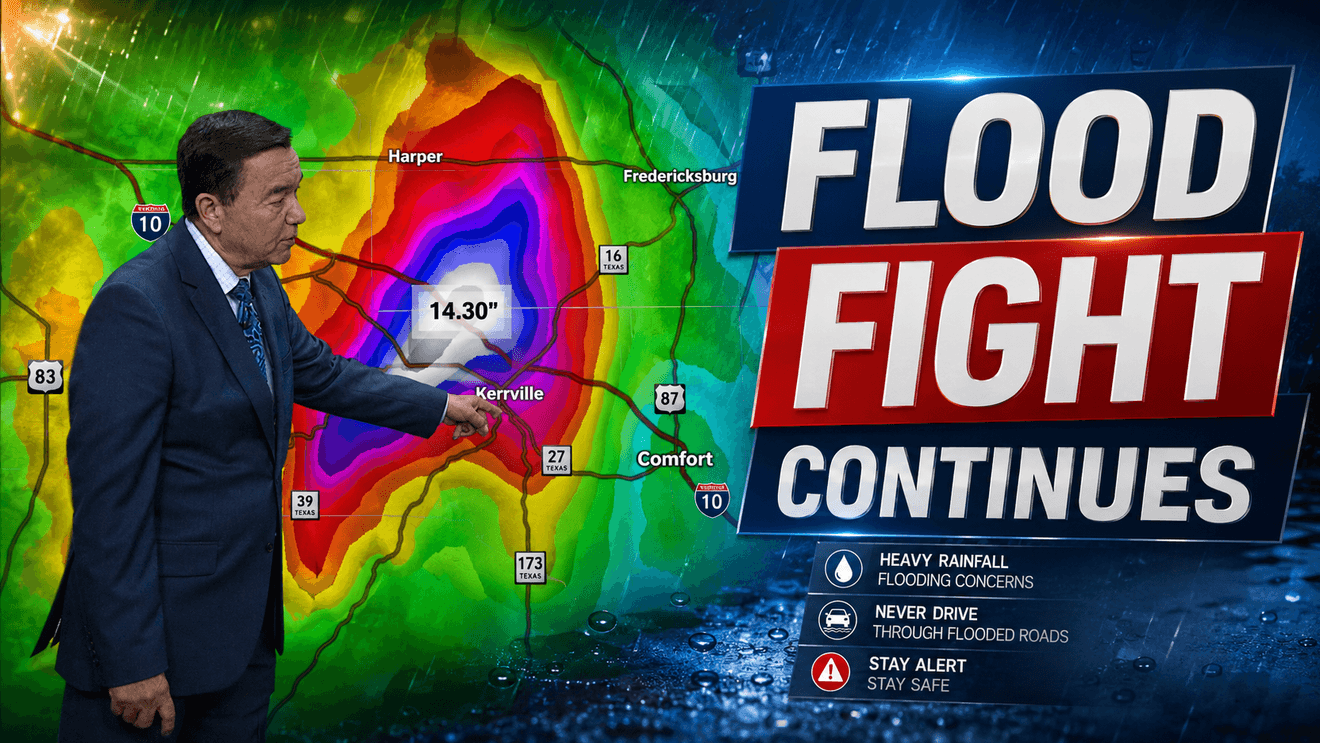
Intense rainfall across Central Texas has precipitated a severe flooding event, overwhelming rivers and creeks and triggering widespread flash flood warnings and emergency advisories from the National Weather Service. The catastrophic scale of this event has resulted in two confirmed fatalities and necessitated the rescue of over 40 individuals trapped in submerged vehicles and inundated homes, with Uvalde County reporting the most severe impacts.
Intensive Rescue Operations Mitigate Immediate Threats
Texas Game Wardens have led extensive rescue operations, successfully extracting more than 40 individuals from immediate peril. These critical efforts, focused on submerged vehicles and flooded residences, highlight the life-saving imperative in response to extreme weather impacts on vulnerable populations and infrastructure.
Widespread Flood Warnings Span Central Texas Counties
Flash Flood Warnings are active across a significant portion of Central Texas, including Uvalde, Edwards, Real, Bandera, and Kerr counties. The duration of these warnings, extending into Friday, July 17th, emphasizes the persistent hydrological instability and elevated water levels threatening the region.
Pedernales River Influx Significantly Impacts Lake Travis Levels
The Pedernales River, a major waterway in the affected area, feeds directly into Lake Travis. The Lower Colorado River Authority (LCRA) projects a substantial increase in Lake Travis’s water level, estimated at 5 to 7 feet overnight, due to heavy rainfall and ongoing controlled releases. This influx necessitates proactive water management to prevent further downstream flooding and ensure reservoir capacity.
Public Safety Directives Advise Caution Near Swollen Waterways
In light of rising water levels and associated hazards, Travis County officials have issued advisories urging the public to refrain from water-related activities. This directive underscores the heightened danger posed by swollen waterways and the critical need for public adherence to safety recommendations during this emergency period.
Lingering Flood Risk Persists Despite Diminishing Rainfall Intensity
While peak rainfall intensity is expected to decrease, the National Weather Service forecasts scattered thunderstorms through early Friday. Even minimal localized rainfall, ranging from one to two inches, could exacerbate existing flood conditions given the substantial antecedent rainfall, maintaining a significant risk of continued inundation.
Human Toll Rises with Identified Victim in Kerr County
The human cost of the flooding is tragically underscored by two reported deaths. In Kerr County, 65-year-old John Mark Steward has been identified by family, personalizing the broader impact of this disaster on individuals and their communities.
Event Highlights Need for Infrastructure Resilience and Preparedness Review
The severity of this flooding event necessitates a critical review of regional infrastructure resilience and emergency preparedness protocols. The repeated inundation of vehicles and homes exposes vulnerabilities in local drainage systems and underscores the need for enhanced early warning dissemination and evacuation planning. The substantial financial implications for insurers and local governments will likely influence future capital allocation towards mitigation projects.
Economic and Social Ramifications Extend Beyond Immediate Disaster
Beyond the immediate human tragedy, the flooding imposes significant economic and social costs. Disruptions to transportation networks, damage to private property, and impacts on local businesses can prolong recovery periods. The strain on emergency services and the psychological toll on affected residents represent further consequences impacting community well-being and economic stability.
Inter-Agency Coordination Proves Vital in Disaster Response
The coordinated response involving entities such as the Texas Game Wardens and the National Weather Service demonstrates the critical importance of inter-agency collaboration during natural disasters. The effectiveness of these partnerships in rescue operations and public advisories directly influences the mitigation of loss of life and property, potentially guiding future resource allocation for emergency management agencies.
Long-Term Land Use and Environmental Management Under Scrutiny
The recurring nature of severe weather events in the Texas Hill Country compels a broader examination of land-use planning and environmental stewardship. The impact of development on natural drainage patterns and the role of watershed management in mitigating flood risks are critical for long-term community safety and sustainability, potentially influencing zoning regulations and conservation efforts.
Media Narrative Shapes Public Perception and Policy Discourse
The media’s portrayal of this event, from live updates to aerial footage, significantly shapes public perception and informs policy discussions. The focus on rescue efforts and human impact highlights the immediate crisis, while hydrological data and forecasts contextualize the ongoing threat, potentially driving demand for governmental action and investment in climate resilience measures.
Financial Landscape Shifts Towards Resilience Investments
The widespread damage inevitably influences capital flows. Insurance payouts, disaster relief funds, and private sector investment in rebuilding will be substantial. This event could accelerate investment in weather-resilient construction, advanced forecasting technologies, and robust emergency response systems, redirecting capital toward mitigation and adaptation strategies.
Emergency Management Performance Under Review, Opportunities for Leverage Identified
The performance of emergency management agencies during this crisis is under scrutiny. The documented success in rescuing over 40 individuals indicates operational effectiveness, while the fatalities point to areas for improvement through enhanced preparedness and public education. This event provides valuable data for optimizing future emergency response strategies.
Broad Stakeholder Exposure Necessitates Re-evaluation of Risk Management
Residents, businesses, and local governments face significant exposure to the risks of extreme weather. This event mandates a re-evaluation of risk management strategies across all stakeholder groups, potentially impacting insurance premiums, business continuity plans, and municipal emergency management frameworks.
Regional Economy and Tourism Face Significant Downstream Impacts
The catastrophic flooding poses significant downstream economic threats, particularly to the vital tourism sector of the Hill Country. Damaged infrastructure, road closures, and perceived risk can deter visitors, leading to economic losses for local businesses. The recovery of these sectors will be crucial for the region’s broader economic rebound.
Institutional Response and Policy Implications May Intensify
The scale of this disaster is likely to trigger institutional responses and influence policy at all government levels. Discussions regarding flood control infrastructure, floodplain building codes, and disaster preparedness funding are expected to intensify, emphasizing the need for proactive policy development and investment in climate adaptation.
Disaster Response Technology Market May See Increased Interest
Events of this magnitude can indirectly stimulate the market for disaster response technologies and services. Companies offering advanced weather modeling, rapid resource deployment, and resilient infrastructure solutions may experience increased interest and investment, driving innovation and competition in the resilience sector.
Capital Allocation Shifting Towards Long-Term Mitigation and Adaptation
The increasing frequency and severity of weather events are likely to drive a strategic shift in capital allocation. Investors and governments may increasingly prioritize funding for long-term mitigation and adaptation strategies over immediate disaster relief, potentially increasing investment in climate resilience projects and advanced warning systems.