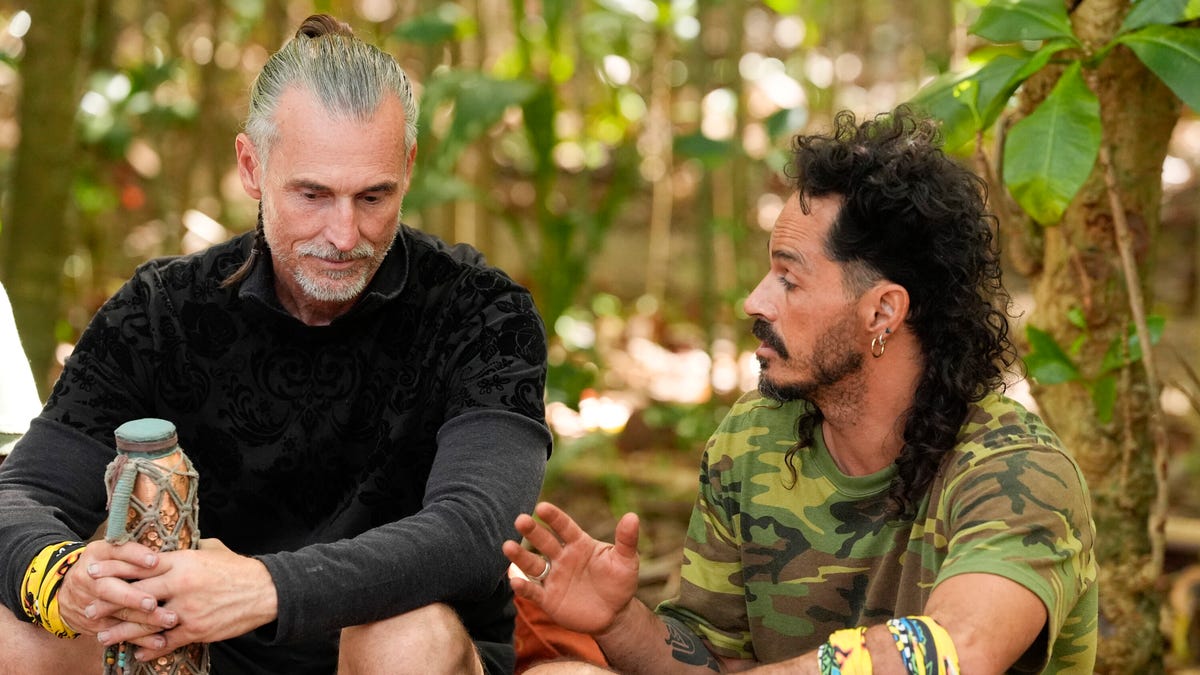
Episode 7 of Survivor 50, titled ‘That is Not How I Play Survivor,’ marks a sophisticated structural transition. The conclusion of the high-volatility Blood Moon phase gives way to the inaugural jury phase, facilitated by the consolidation of the Manulevu tribe. As the largest merged entity in the franchise’s history, Manulevu fundamentally disrupts traditional majority-alliance mechanics, replacing them with fluid, transactional voting blocs.
The Boomerang Idol: Decentralized Power and Strategic Debt
The introduction of ‘Billie Eilish’ boomerang idols imposes a regulatory constraint on individual hoarding. By requiring finders to distribute the advantage, the game mandates a gift-based economy. This was demonstrated when Christian Hubicki transferred his idol to Aubry Bracco, creating a cross-tribe strategic debt. Genevieve Mushaluk, though eliminated, leveraged this mechanic pre-ouster by arming Rizo Velovic and Ozzy Lusth, ensuring her strategic influence persists through her proxies.
This decentralization forces players to prioritize perceived reliability and future reciprocity over immediate self-preservation. In the Manulevu era, social capital is no longer just about who you vote with, but how you manage the flow of externalized advantages.
Exile Island and Information Asymmetry
The return of Rizo Velovic and Ozzy Lusth introduces a critical information buffer. Shielded from the immediate fallout of the Blood Moon tribal councils, their re-entry is characterized by a strategic reset. Unlike the main camp—taxed by the psychological and physical attrition of the largest merge in history—the Exile duo possesses both physical composure and the leverage of Genevieve’s gifted idols.
Their position as external observers allows them to exploit the fractured social landscape of Manulevu. As the tribe struggles with emotional volatility, Rizo and Ozzy function as a stabilized pivot point, capable of serving as the decisive swing votes for the upcoming jury threshold.
Interpersonal Volatility and the Jury Threshold
Internal friction has reached a point of overt hostility. The breakdown of trust between Tiffany and Jonathan following Kamilla’s exit illustrates the difficulty of emotional regulation. While Tiffany attempts to maintain a composed exterior, Coach has opted for rhetorical escalation. Moving from Tidewalker loyalty to a self-described ‘state of war’ against Dee Valladares, Coach uses performative psychological signaling—including haikus and metaphors of ‘sharpening knives’—to polarize the tribe.
This aggression coincides with a massive institutional shift: the next vote determines the first member of the jury. Players must now pivot from survivalist tactics to long-term jury management. Overtly aggressive maneuvers risk alienating the individuals who will eventually serve as the season’s final arbiters.
Conclusion: The Strategic Reset
The Manulevu merge has cleared the board of early-game archetypes, leaving fourteen players to navigate a landscape defined by transactional diplomacy and hidden protections. As the ‘Tidewalker’ legacy dissolves, the efficacy of the boomerang idols and the integration of the Exile returnees will dictate the season’s trajectory. Success in this phase requires a mastery of information control and the ability to navigate the most complex social hierarchy ever presented in the series.