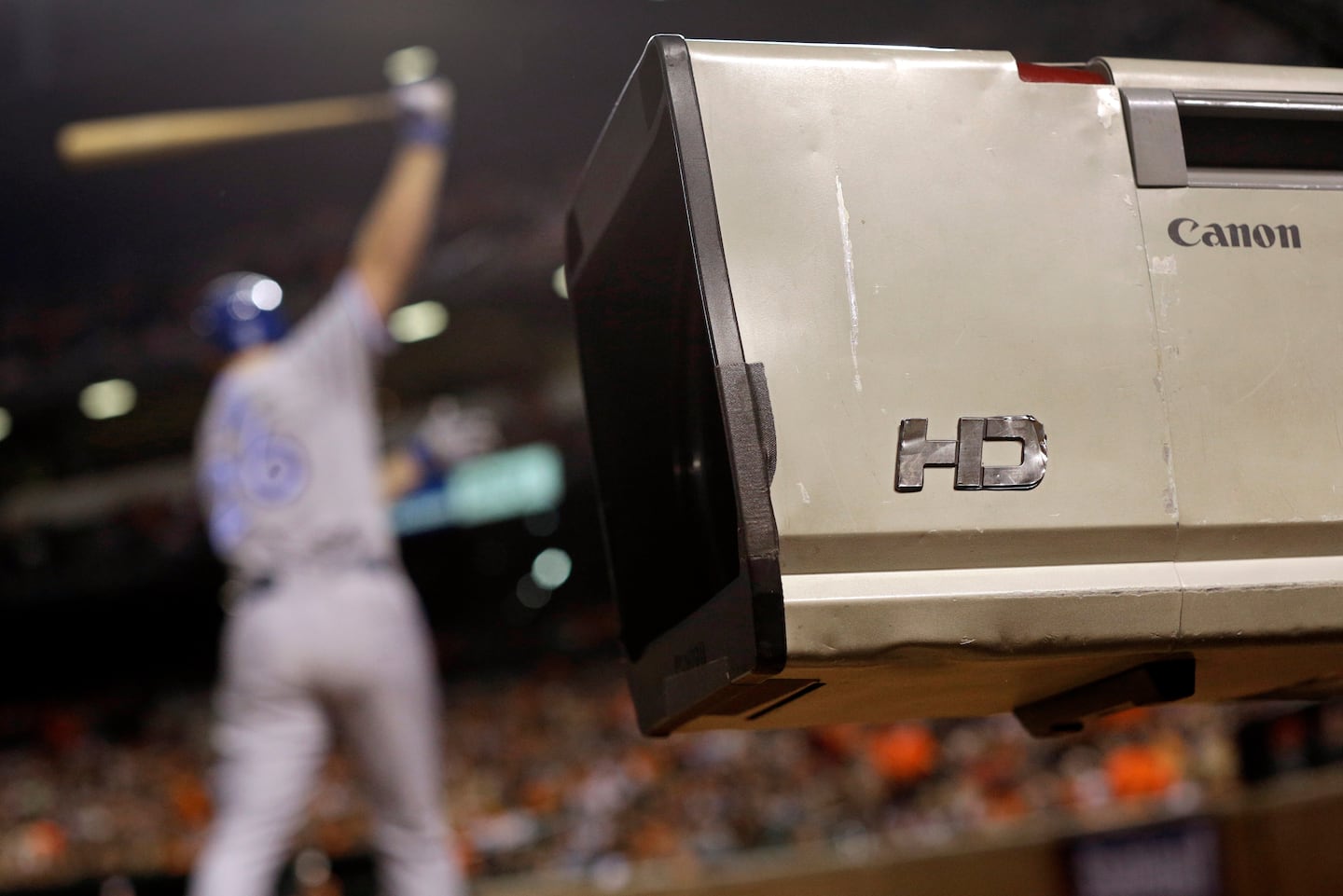
Red Sox Broadcast Rights Shift Reflects Evolving Sports Media Landscape
The Boston Red Sox’s 2026 broadcast strategy, allocating 145 games to NESN and distributing the remainder across other networks and streaming platforms, signifies a profound shift in Major League Baseball’s (MLB) media rights distribution model. This multi-faceted approach aims for comprehensive fan access while navigating an increasingly fragmented media ecosystem.
The emergence of major streaming platforms in live sports broadcasting, exemplified by Netflix’s airing of an MLB Opening Day game (though not featuring Red Sox content), underscores a significant industry trend. Criticisms of such broadcasts, including analytical depth and technical execution, highlight the high standards and intense scrutiny new entrants face when vying for a share of the lucrative live sports market.
Garrett Crochet’s commanding Opening Day performance, securing a 3-0 victory for the Red Sox against the Cincinnati Reds, immediately validates key player acquisitions and their on-field impact. His poise under pressure, notably escaping a bases-loaded jam in the sixth inning, demonstrates a crucial element of his value to the team’s competitive aspirations.
Manager Alex Cora’s endorsement of Crochet as the team’s ace, citing his command and resilience, emphasizes the strategic importance of elite pitching depth. This contributes directly to immediate game outcomes and informs longer-term team strategy and player development initiatives.
The Red Sox’s offense demonstrated timely execution, spurred by Crochet’s pitching. Marcelo Mayer’s crucial pinch-hit double, followed by Carlos Narváez’s effective bunt, illustrates the critical interplay between pitching dominance and offensive capitalization, showcasing the team’s ability to seize momentum and execute fundamental plays.
The acquisition of veteran pitcher Sonny Gray, who expressed a desire to contend for a World Series, represents a significant strategic move. Gray’s proven track record, including a 14-8 season with a 4.28 ERA in 2025, positions him as a key rotation piece intended to bolster the Red Sox’s championship aspirations.
Cora’s characterization of Gray’s dedication and competitive drive, particularly his pursuit of 200 strikeouts, aligns with the club’s focus on acquiring high-caliber players with a demonstrated ability to perform at elite levels. This emphasis on consistent, high-performance metrics is central to building a championship-contending roster.
Gray’s personal motivation to win a World Series and perform in high-stakes games reflects a common aspiration among top athletes and highlights the psychological drivers of elite performance. His comfort and ambition in these critical moments are invaluable assets for a team targeting postseason success.
The tactical preview of the upcoming game against the Reds, including projected lineups and starting pitchers, offers a snapshot of the immediate competitive dynamics. Such detailed insights are vital for understanding strategic matchups and potential game-altering scenarios.
MLB’s evolving broadcast rights deals have far-reaching implications, impacting the financial models and competitive strategies of media conglomerates and emerging digital platforms. The fragmentation of rights mandates a complex network of partnerships and direct-to-consumer offerings, presenting both opportunities and challenges across the industry.
The involvement of diverse broadcasters and streamers marks a departure from traditional, singular broadcast agreements, reflecting a broader trend across professional sports. This diversification strategy aims to maximize reach and revenue but necessitates sophisticated rights management and robust content delivery infrastructure.
For fans, this shift necessitates a granular understanding of subscription models, channel availability, and potential blackout restrictions, directly influencing consumer behavior and loyalty. Accessibility directly correlates with fan engagement and the perception of the league’s reach.
Intensified competition among broadcasters and streamers for exclusive or significant rights packages escalates bidding processes and impacts the financial health of leagues and media companies. This competition can spur innovation in broadcast technology and fan experience but also risks fragmenting audiences through cost or complexity.
Team and league decisions on broadcast rights are intrinsically linked to long-term financial planning and brand positioning. Favorable deals generate substantial revenue, while missteps can lead to reduced visibility and diminished market value.
Operational challenges for broadcasters include ensuring seamless cross-platform delivery, managing regional rights, and integrating new technologies for enhanced viewer engagement. These complexities demand significant investment in infrastructure and personnel.
Diversified media rights deals enhance the financial leverage of leagues, enabling reinvestment in player development, stadium infrastructure, and international expansion, thereby solidifying global appeal and economic viability.
The performance leverage for individual players like Crochet and Gray is amplified by increased visibility across diverse broadcast channels. Their on-field achievements are disseminated more widely, potentially influencing endorsement opportunities and career trajectories.
The competitive implications for the media industry are profound, as traditional broadcasters face pressure from digital-native platforms offering distinct engagement models and often lower overheads, forcing established players to adapt or risk market share erosion.
The Red Sox’s strategic approach to managing broadcast rights is emblematic of a broader industry movement towards more personalized and accessible fan experiences. Successful execution is paramount to realizing the full potential of these strategies.
Capital flow within the sports media sector increasingly targets live sports rights due to their enduring appeal and ability to drive subscription growth, fueling further competition and innovation.
Streaming platforms offer teams and leagues exposure to new audiences, presenting significant growth potential but requiring recalibrated marketing and engagement strategies for digital-first consumers.
Broadcaster incentives are clear: secure exclusive or co-exclusive rights to high-demand content that drives viewership and subscription revenue. The Red Sox’s arrangement balances traditional regional appeal with broader digital reach.
Fan risk exposure includes potential cost increases and access complexity, alongside the possibility of missing key matchups due to fragmented viewing options, necessitating careful planning and subscription management.
Institutional forces include MLB’s established authority, the negotiating leverage of its 30 franchises, and the evolving business models of media giants and tech companies vying for sports content.
The cultural impact of these broadcast shifts is subtle but significant, altering how fans consume sports and interact with teams, reflecting broader societal trends towards on-demand and personalized viewing.
The structural transformation of sports broadcasting is progressing from a linear television-dominated model to a hybrid system integrating streaming, direct-to-consumer services, and interactive digital content.
The long-term trajectory indicates a continued push toward greater digital integration and a more tailored fan experience, where seamless cross-device content access will be paramount.
Current strategic decisions regarding broadcast rights will shape the competitive sports media landscape for years, influencing revenue generation, fan engagement, and the economic health of professional baseball.
The Red Sox’s broadcast strategy serves as a microcosm of the league’s broader adaptation to a rapidly changing media consumption environment, crucial for maintaining relevance and financial strength.
Broadcast rights represent a substantial portion of MLB’s revenue, directly impacting team payrolls and league-wide investments.
Platforms like Netflix face immense competitive pressure to deliver compelling live sports content, driving them to secure rights that attract and retain subscribers in a saturated market.
Operational execution of broadcast deals is critical; technical glitches or accessibility issues can lead to significant fan dissatisfaction and reputational damage.
NESN’s strategic positioning within this new ecosystem requires adaptation to complement, rather than solely compete with, broader digital offerings.
Player performance leverage, exemplified by Crochet and Gray, is amplified by wider media dissemination, impacting marketability and career trajectories.
Broadening league exposure to new demographics via streaming services is a key objective, aimed at cultivating the next generation of baseball fans.
Team incentives focus on maximizing revenue while ensuring broad fan access—a delicate balance requiring careful negotiation and strategic partnerships.
Media companies risk overpaying for rights or failing to adapt to evolving consumer preferences, leading to potential financial losses.
MLB’s institutional framework, with its centralized authority and franchise structure, is crucial for negotiating and enforcing complex media rights agreements.
The cultural shift towards on-demand content consumption means the traditional linear broadcast model alone is insufficient for capturing all fan segments.
Structural changes in media distribution compel traditional sports broadcasters to innovate, integrating digital content and interactive features to remain competitive.
The future of sports broadcasting will likely involve greater integration of data analytics, AI for personalized viewing, and potentially more direct fan-to-league monetization models.