IP Optimization: The Pixar Dual-Track Strategy
The recent tactical disclosures at the D23 fan event regarding Pixar’s 2028-2029 theatrical window signal a calculated shift toward high-equity franchise management. By anchoring its fiscal projections with Incredibles 3 and Coco 2 while simultaneously incubating the original IP Ghost Market, the studio is executing a dual-track strategy. This approach optimizes capital allocation by leveraging established brand loyalty to mitigate the inherent risks associated with experimental narrative formats.
Incredibles 3: From Legal Recognition to Corporate Commodity
The third installment of the Incredibles franchise marks a thematic transition from the struggle for basic legal existence to the complexities of institutionalized heroism. Pete Docter’s confirmation of Winston Dever’s “superhero league” suggests a narrative framework centered on the professionalization of vigilante labor. This shift implies that the Parr family will no longer navigate the shadows of illegality but rather the restrictive parameters of corporate sponsorship, branding, and performance metrics.
By maintaining the original ages of Violet, Dash, and Jack-Jack, director Brad Bird preserves the family’s foundational chemistry while pivoting the operational focus. The narrative arc—positioning the children as nocturnal protagonists attempting to validate their status as “real Supers”—explores the tension between emerging agency and corporate oversight. This structure allows Pixar to critique the commodification of individual identity within a heavily marketed hero economy.
Coco 2: The Mechanics of Legacy Erasure and Retribution
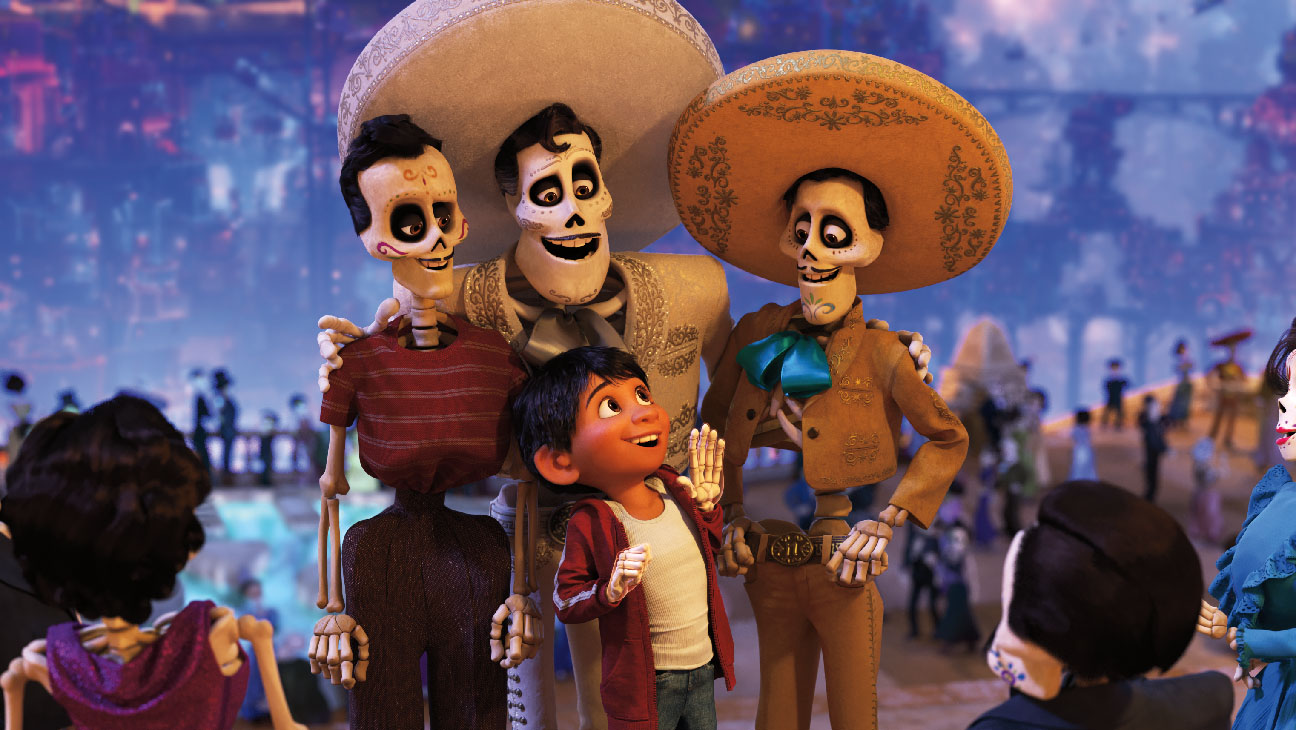
Scheduled for November 2029, Coco 2 moves beyond the cultural discovery of the original film to explore the volatility of reputation. The return of Benjamin Bratt’s Ernesto de la Cruz as a “menace” indicates a story built on the fallout of public disgrace. This sequel examines the concept of ‘legacy revenge,’ where a fallen icon attempts to reclaim status through the subversion of the very family that exposed his fraud.
The decision to age Miguel into his teenage years allows for a more sophisticated exploration of ancestral duty and personal autonomy. This chronological progression mirrors the aging demographic of the 2017 audience, ensuring continued resonance through a more mature lens. The conflict effectively transitions from a quest for truth to a struggle for the preservation of that truth against a motivated antagonist.
Ghost Market: Bridging Content Creation and Indigenous Mythology
Pixar’s 2028 original project, Ghost Market, represents a strategic attempt to modernize the ‘hero’s journey’ for the creator economy. By centering the narrative on a content creator at a supernatural crossroads in Hawaii, the studio is engaging with contemporary digital sociology. The film’s aesthetic—blending mundane retail environments with floating, ethereal elements—suggests a commentary on the intersection of viral visibility and sacred spaces.
This project serves as a critical counterweight to the studio’s sequel-heavy slate. Its success will serve as a barometer for Pixar’s ability to generate new intellectual property that resonates with a generation that views the world through the lens of digital documentation and algorithmic influence.
Fiscal Resilience: De-Risking the Late-2020s Slate
Ultimately, these announcements provide stakeholders with a vision of institutional stability. The clear theatrical windows for 2028 and 2029 prioritize predictable box-office revenue through sequels while providing the financial cushion necessary for original storytelling. This roadmap reinforces Pixar’s role as the primary engine of theatrical growth for Disney, balancing the safety of the known with the necessity of the new.