The Engineering Threshold of Miniaturization
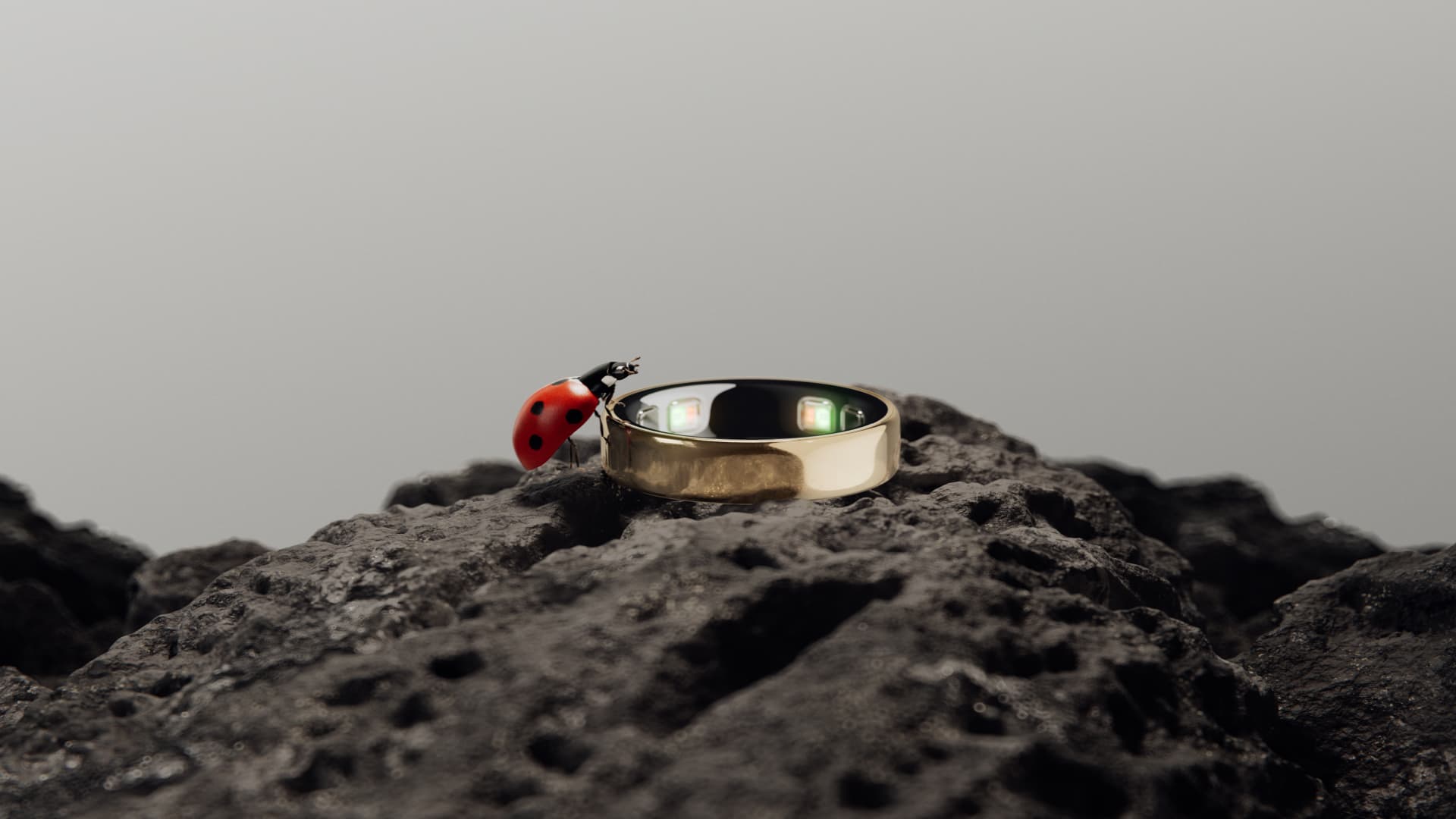
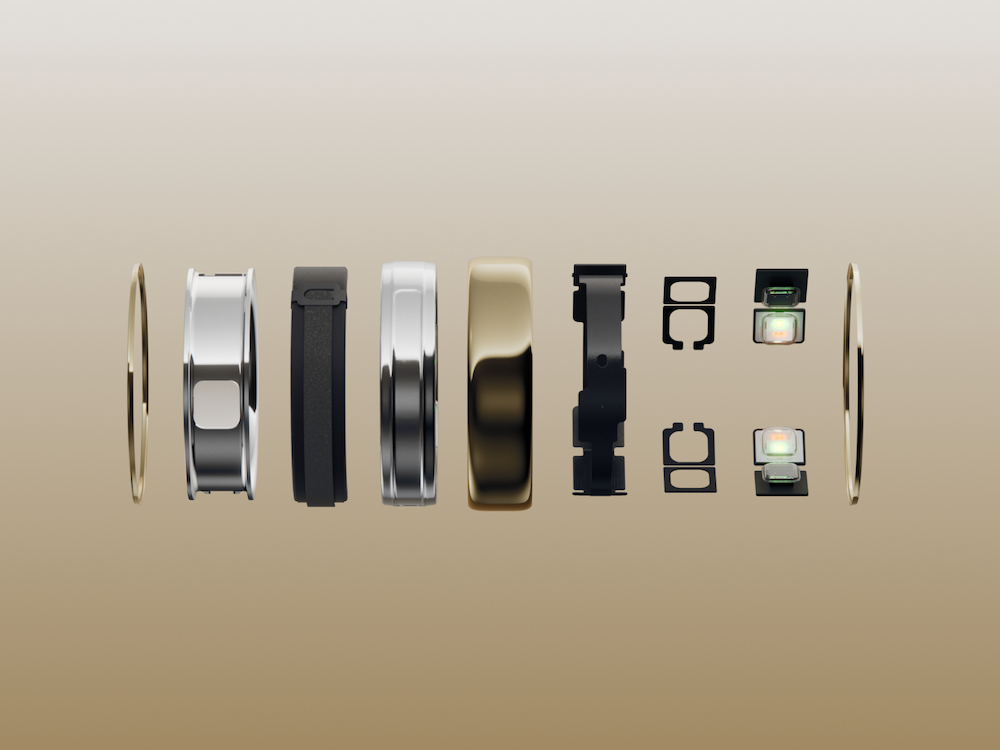
The Oura Ring 5 represents a fundamental shift in wearable architecture, achieving a 40% reduction in total volume. This iteration transcends simple cosmetic updates, addressing the acute tension between high-fidelity health sensing and the rigid constraints of battery energy density and spatial component integration.
CEO Tom Hale highlights the breakthrough as an optimization of physical laws governing energy storage. By maintaining sensor accuracy within a significantly truncated footprint, Oura establishes a new competitive baseline for smart rings, where form-factor efficiency is now as critical as data throughput.
Strategic Ergonomics and Adoption
The standardization of the 6mm width profile serves as the nexus of user comfort and hardware necessity. By identifying this dimension, Oura mitigates the ‘hardware burden,’ ensuring that the device transitions from a piece of technology to an unobtrusive daily accessory. This reduction in physical friction is calculated to improve long-term user retention, fostering the consistent, longitudinal data streams vital for the platform’s subscription-based insights.
Operational Economics and Ecosystem Modularization
With pricing tiers spanning $399 to $499, the Oura Ring 5 captures both volume-driven and luxury-adjacent segments, providing the necessary margins to recoup intensive R&D expenditures. The $99 portable charging case acts as a strategic hedge against the diminished internal battery capacity, creating a modular, recurring revenue stream while addressing the functional requirements of power-intensive monitoring.
Market Maturity and Competitive Moats
As wearable markets reach saturation, feature parity has replaced novelty; consequently, Oura’s focus has shifted toward design-led innovation. By positioning the Ring 5 as jewelry rather than medical instrumentation, the company effectively expands its addressable market while creating a ‘moat’ built on material science and ergonomic superiority. Future scalability will depend on balancing these miniaturized physical tolerances with evolving power management systems, marking a transition from ‘fitness hardware’ to ‘lifestyle intelligence.’