
The Shifting Competitive Landscape at Flushing Meadows
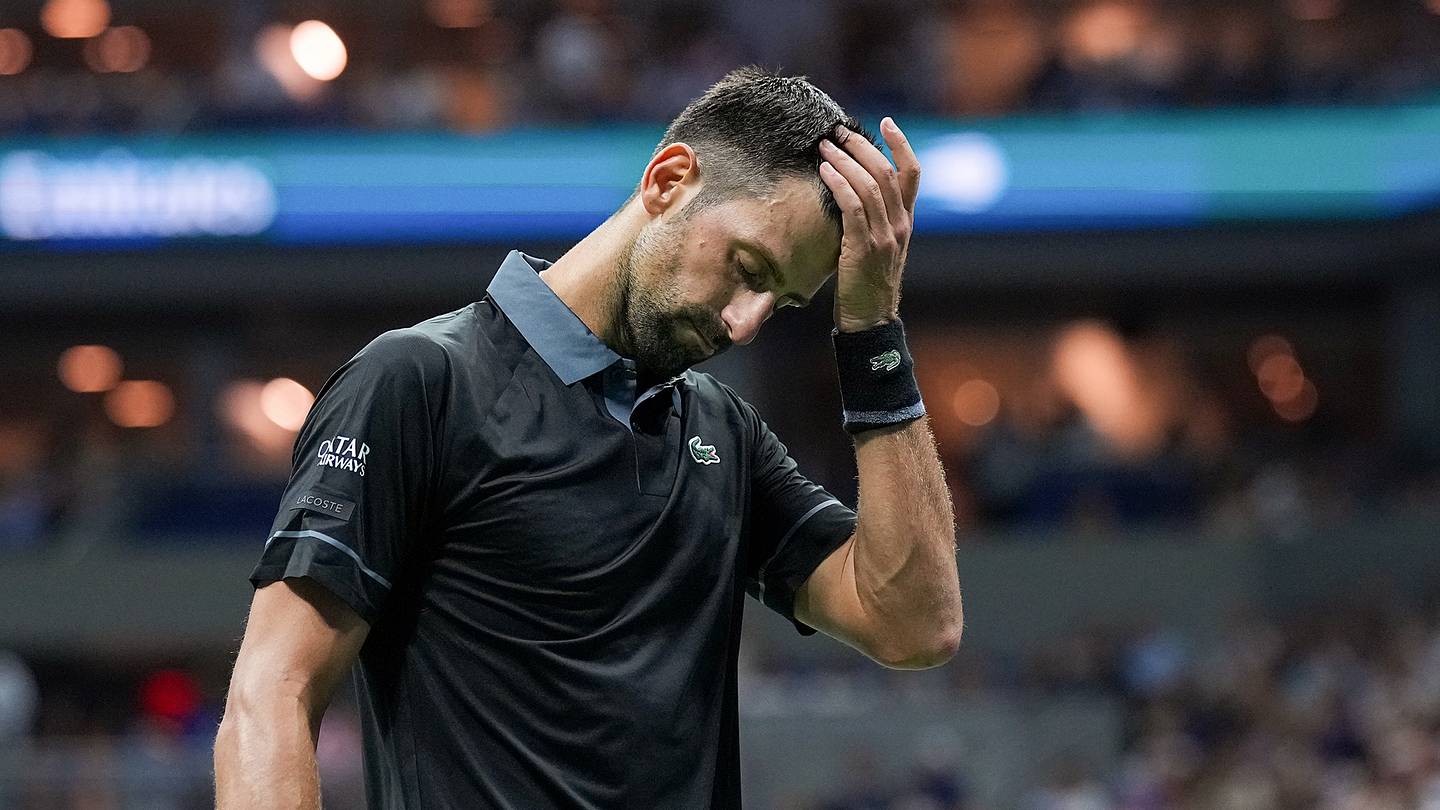
The early elimination of twenty-four-time major champion Novak Djokovic in the first round of the 2026 U.S. Open marks a profound structural shift for the tournament’s hierarchy. Falling in a grueling five-set match—lasting four hours and thirty-six minutes—against clay-court specialist Mariano Navone on Arthur Ashe Stadium, the thirty-nine-year-old veteran exhibited physical limitations compounding vulnerabilities exposed earlier at Roland Garros.
This unexpected departure immediately alters the strategic calculus for the remaining field, redistributing pressure across the draw. Without the Serbian star anchoring a primary quadrant, the competitive gravity shifts toward players seeking to capitalize on a wide-open path to the late rounds, testing how veteran athletes balance historical longevity with modern elite scheduling demands.
Institutional Repercussions and Contender Exposure
Djokovic’s exit removes a historical barrier for top-tier rivals accustomed to facing his defensive baseline mastery in late-stage major matches. While established contenders like Carlos Alcaraz and top seed Alexander Zverev stand to benefit from the removal of this obstacle, the vacuum at the top introduces tactical adjustments for the locker room. Competitors who planned tournament trajectories around potential meetings with Djokovic must now pivot.
From a market perspective, the early departure of a marquee draw driver disrupts anticipated broadcast viewership curves and engagement strategies for event organizers and media rights holders. Concurrently, players positioned below the top tier recognize a rare opening to advance deeper into a major draw, altering risk profiles and tournament strategies.
Operational Dynamics and Market Realities
Matches extending deep into five sets expose the fragility of even decorated competitors when physical endurance intersects with rising baseline athleticism across the tour. For players like Daniil Medvedev, whose turbulent season has featured performance inconsistencies, the altered bracket presents a critical opportunity to stabilize their competitive trajectory.
The distribution of pressure among remaining contenders creates an environment where mental fortitude and tactical adaptability outweigh established historical dominance. Consequently, the 2026 U.S. Open transitions from a defense of established hierarchies into an open-field competition defined by high strategic volatility.
Photo by matt4395 on Pixabay.