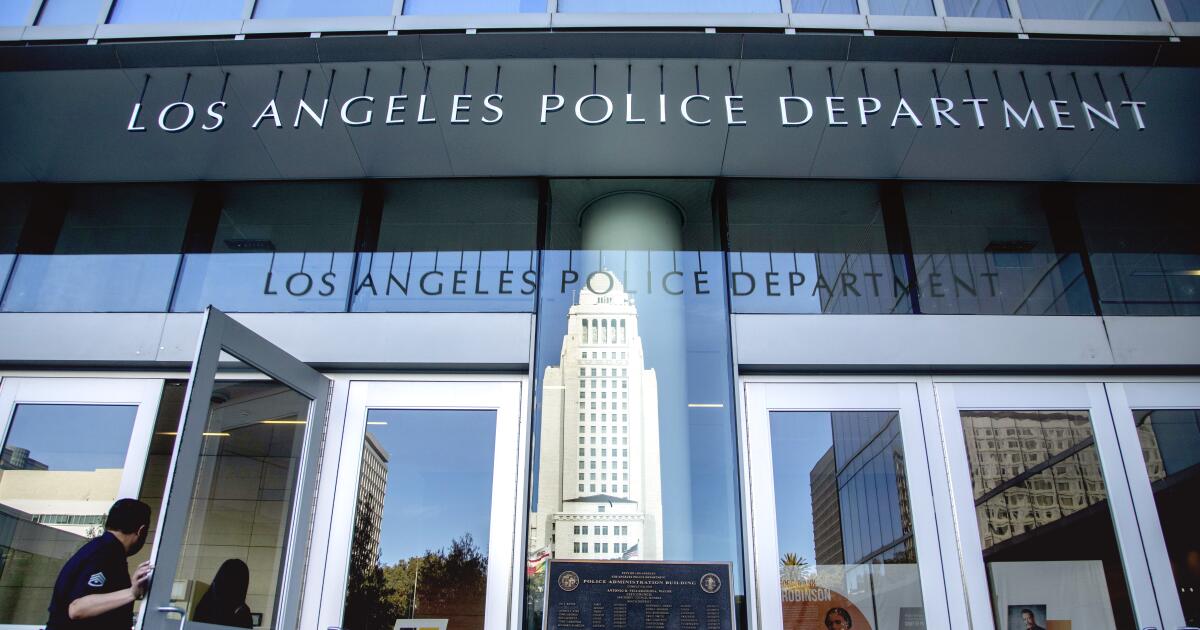
North Hills Apparent Murder-Suicide: LAPD Investigates Fatal Incident with Four Deceased
Los Angeles Police Department (LAPD) Devonshire Division officers responded to a welfare check at a residence in the 16200 block of Landelius Avenue in North Hills on Wednesday night. Upon arrival around 7:50 p.m., they discovered four individuals deceased from apparent gunshot wounds.
The victims have been identified as two adults and two juveniles. Homicide detectives have taken charge of the investigation. Crucially, authorities have stated they are not seeking any external suspects, indicating the investigation is focused on internal dynamics within the residence.
Evidence gathered at the scene strongly suggests a multiple murder-suicide event. This classification implies a complex and deeply distressing sequence of events confined to the household, requiring a thorough examination of the relationships and circumstances preceding the tragedy.
The incident occurred on a residential street, underscoring the immediate impact such events can have on community perceptions of safety. Aerial footage showed a significant law enforcement and emergency services presence, including fire department personnel, highlighting the gravity of the situation and the swift mobilization of first responders.
While specific details about the victims and their connections remain undisclosed pending further investigation and notification of next of kin, the LAPD’s focus on internal dynamics shifts the analytical lens from external threats to potential interpersonal conflicts. This approach is standard to ensure accuracy and avoid premature conclusions.
The response from emergency services, including the cordoning off of the area with police tape, signifies immediate containment and preservation of the crime scene. This protocol is vital for meticulous forensic analysis, allowing investigators to gather critical evidence to reconstruct the events leading to the discovery of the deceased.
The classification as an apparent murder-suicide carries significant implications, prompting discussions on mental health, domestic violence, and the accessibility of support systems. The tragic outcome serves as a stark reminder of the need for accessible and effective crisis intervention resources.
The involvement of homicide detectives underscores the severity of the loss of life and the procedural requirements for investigating such incidents. Their expertise is essential in determining the precise cause of death for each victim and establishing the sequence of actions.
The absence of immediate details regarding victims’ ages and genders, beyond the adult and juvenile distinction, indicates the investigative priority is establishing the timeline and identifying the perpetrator within the deceased individuals. This procedural focus ensures investigative integrity.
Law enforcement agencies typically withhold sensitive details to protect the privacy of families and ensure the investigation proceeds without undue external influence or speculation.
The visual evidence from aerial news coverage, showing a substantial emergency response, offers a tangible representation of the community’s immediate reaction and the resources deployed. This visible presence is standard for incidents involving multiple fatalities, aiming to secure the scene and provide support.
The designation as a potential murder-suicide guides the investigative direction, signaling a focus on intra-household dynamics rather than external perpetrators, a critical distinction in the investigative process.
The reporting of this incident as breaking news emphasizes the dynamic nature of investigations. Updates are typically provided as information is officially confirmed by law enforcement, ensuring accuracy and responsible reporting.
The inclusion of a helpline number for suicide prevention in initial reporting is a crucial public service, acknowledging the sensitive nature of the event and providing immediate resources for those experiencing distress.
The operational response from the LAPD, from initial patrol officers to specialized homicide detectives, demonstrates a structured approach to managing critical incidents, ensuring all aspects are addressed systematically.
Such tragedies can highlight systemic issues in mental healthcare access and social support systems, prompting discussions on preventative measures and crisis intervention strategies. The absence of immediate external suspects narrows the investigative scope to internal factors.
The community’s resilience and access to support systems are key in the aftermath. The collective response, including neighborly support and engagement with community resources, can aid the healing process.
This incident exposes the vulnerability of individuals within domestic settings and the potential for severe mental health crises to have catastrophic outcomes, underscoring societal vulnerabilities in providing adequate preventative measures and support.
Long-term consequences for the community may include heightened awareness of local crime, increased demand for mental health services, and a re-evaluation of safety initiatives. Responsible media coverage can educate the public and foster a supportive environment.
The absence of speculative details underscores a commitment to factual reporting, crucial in sensitive contexts to avoid detrimental effects on public perception and well-being.
The legal framework governing investigations is paramount. The LAPD’s adherence to protocols for scene investigation, evidence collection, and victim identification ensures that legal proceedings are based on sound evidence and due process.
Systemic tensions revealed by such events often relate to gaps in social support, suggesting potential failures in early intervention or accessibility of resources for individuals in distress.
The competitive landscape among public safety agencies is indirectly influenced by their effectiveness in handling critical incidents, with successful outcomes enhancing public trust and departmental reputation.
The incentive for individuals experiencing severe distress to seek help is often hindered by stigma, lack of awareness, or financial barriers, a systemic issue contributing to tragic outcomes.
The capital movement in terms of public resources would typically involve allocations towards law enforcement, emergency services, and mental health initiatives, reflecting a societal response to identified needs.
The performance leverage for mental health advocacy groups is amplified, as they often use such events to advocate for increased funding and policy changes.
The structural logic of community safety is tested, prompting re-evaluation of preventative measures, crisis intervention strategies, and the integration of social services with law enforcement responses.
The distribution of advantage and disadvantage can be observed in the media’s ability to access and report information, with official channels providing confirmed facts while unofficial sources may contribute to speculation, highlighting the importance of journalistic integrity.
Plausible evolution scenarios include renewed public discourse on mental health, potential policy reviews concerning crisis intervention, and a renewed focus on family support services, all aimed at preventing future occurrences and fostering a more supportive societal framework.
The institutional depth of the LAPD’s response highlights its layered command and operational structure designed to manage complex investigations, ensuring thoroughness and adherence to legal standards.
Strategic decisions by law enforcement in the immediate aftermath, such as securing the scene and confirming the absence of external suspects, are critical in shaping the investigative trajectory and managing public information flow.
The performance leverage for the community lies in its collective ability to support affected families and engage constructively with law enforcement and mental health services, fostering a resilient neighborhood.
The exposure of systemic vulnerabilities often prompts calls for enhanced mental health support infrastructure and early intervention programs to prevent similar devastating outcomes.
Capital investment in community well-being, encompassing mental health services and social support networks, is critical in mitigating the risk of such incidents and fostering a safer environment.
The competitive dynamics in public discourse often involve various stakeholders advocating for different solutions, from gun control to expanded mental health services, reflecting a complex societal debate.
The incentive for organizations to collaborate on mental health initiatives is heightened by such events, fostering partnerships aimed at improving access to care.
The operational framework for crisis intervention and de-escalation is continuously refined by law enforcement agencies to improve response protocols and minimize harm.
Structural pressures contributing to domestic crises are often deeply embedded in societal inequalities and resource availability, requiring comprehensive interventions.
The distribution of advantage and disadvantage can be observed in varying levels of access to mental health services across socioeconomic groups, underscoring the need for equitable resource allocation.
Plausible evolution scenarios include sustained public awareness campaigns on mental health, increased funding for community-based support programs, and ongoing efforts to destigmatize seeking professional help.