
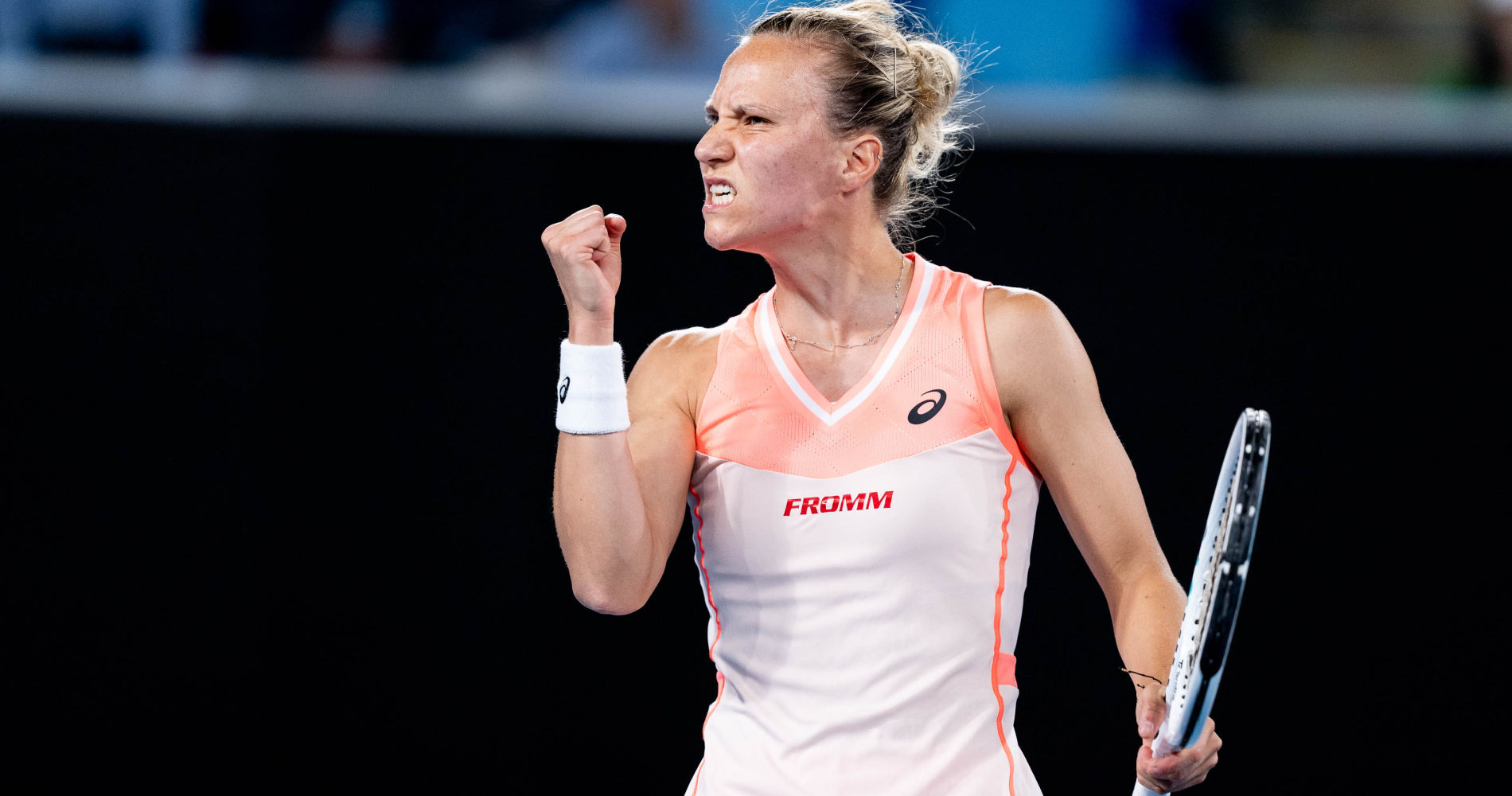
The final of the Oeiras 2 Jamor Indoor 2026 has crystallized into a compelling case study of contrasting competitive philosophies: the tactical variance of a seasoned veteran versus the clinical baseline efficiency of a surging contender. Viktorija Golubic and Daria Snigur progressed through divergent semifinal paths on the Portuguese indoor hard courts, each leveraging distinct strategic advantages to secure their berths in the championship match.
Veteran Craft and Generational Management
Viktorija Golubic’s 7-5, 1-6, 6-2 victory over 18-year-old Teodora Kostovic underscored the value of psychological endurance in high-stakes professional environments. Golubic utilized her signature one-handed backhand—a technical rarity in the modern game—to disrupt the rhythm of a younger opponent reliant on high-velocity baseline exchanges. While the second-set collapse highlighted the physical volatility inherent in Golubic’s defensive-to-offensive transition game, her decisive 6-2 third-set response demonstrated a superior capacity for strategic recalibration.
For Golubic, currently ranked No. 88, this run is a critical component of her ranking stabilization strategy. Navigating consecutive three-set encounters, including a prior test against Fiona Crawley, serves as a testament to her conditioning but also introduces variables of physical fatigue. Success in the final would solidify her standing within the WTA top 100, ensuring direct entry into Grand Slam main draws and mitigating the economic and physical burden of qualifying cycles.
The Clinical Efficiency of Daria Snigur
In the lower half of the draw, Daria Snigur demonstrated a level of operational dominance that minimized her court time and preserved critical energy reserves. Her 6-3, 6-3 dismissal of third-seeded Suzan Lamens was characterized by a systematic dismantling of defensive structures. Snigur, the No. 5 seed, has maintained a high first-serve percentage throughout the tournament, allowing her to dictate court geometry and capitalize on break-point opportunities with surgical precision.
Currently ranked No. 133, Snigur’s performance suggests a significant misalignment between her current ranking and her actual performance ceiling. Her ability to neutralize Lamens’ tactical advantages early in both sets signals a player in peak technical form. For Snigur, the Oeiras final represents a catalyst for a ranking jump toward the top-100 threshold—a transformative milestone that unlocks higher sponsorship tiers and increased media visibility.
Tactical Dynamics and Ranking Implications
The final matchup presents a fascinating technical tension. The indoor conditions at Jamor eliminate external environmental variables, placing a premium on ball-striking accuracy and reaction speed. Snigur’s flat, penetrating groundstrokes are ideally suited for this surface, yet Golubic’s ability to manipulate pace and spin via her slice backhand may prove highly disruptive to Snigur’s rhythm.
Beyond the technical battle, the match carries substantial weight in the WTA’s ranking point economy. A title win for either player significantly alters their seasonal trajectory, providing the financial security associated with top-tier tournament access. As the European indoor circuit continues, the Oeiras 2 Jamor Indoor remains a vital node for talent development and veteran resurgence, reflecting the healthy competitive tension between experience and youth in the 2026 WTA season.
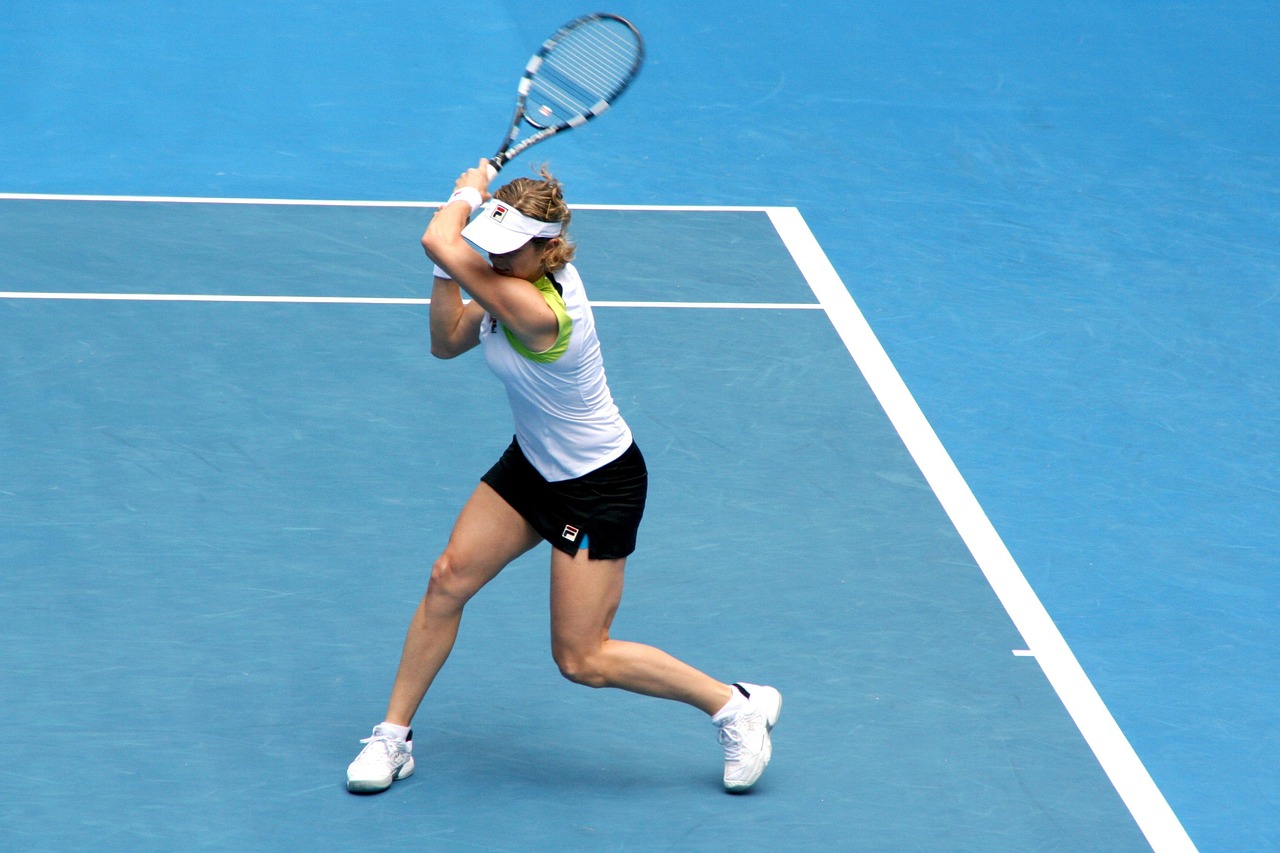
Photo by moerschy on Pixabay.