Precious Metals Market Surges to Record Highs
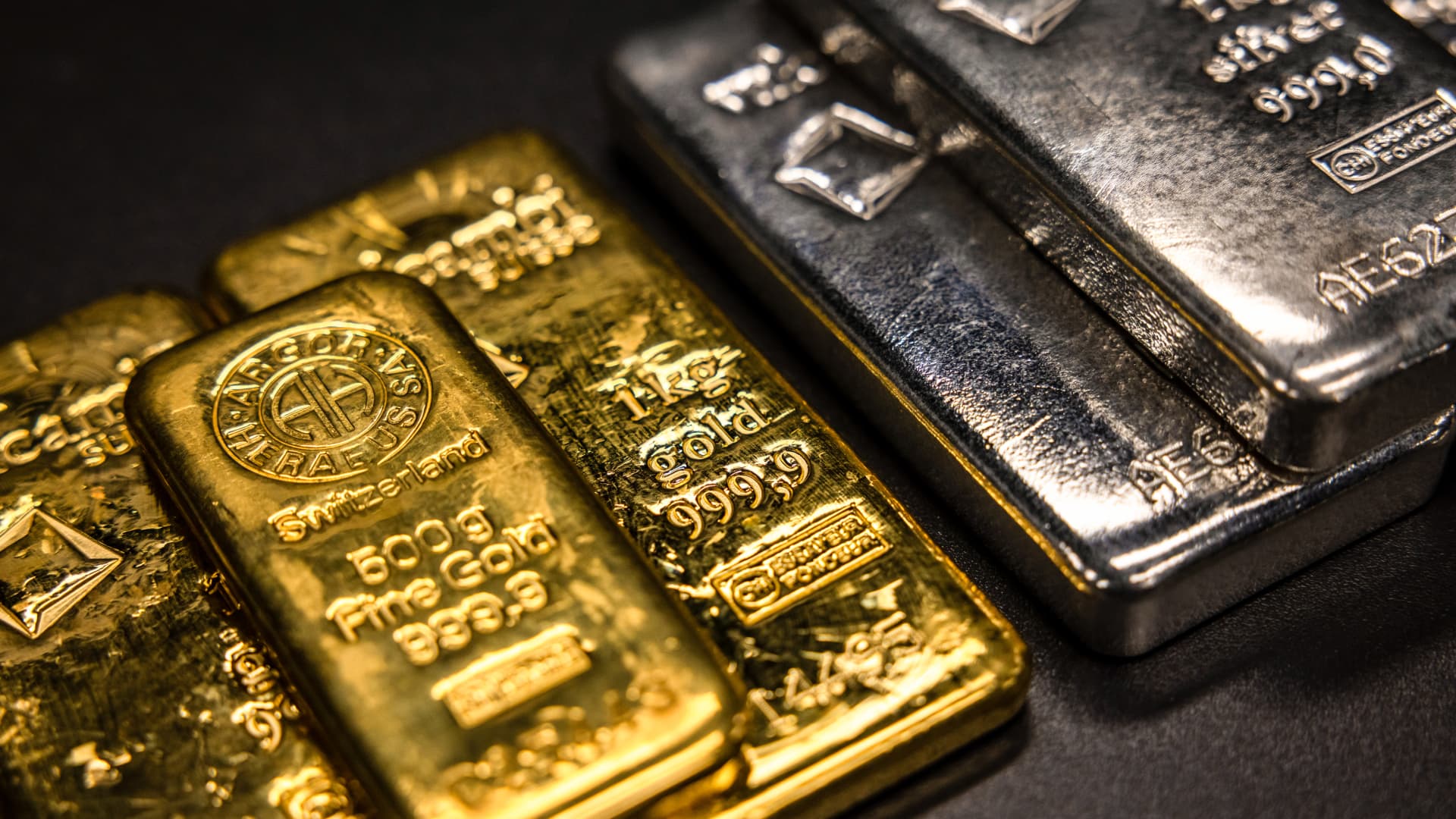
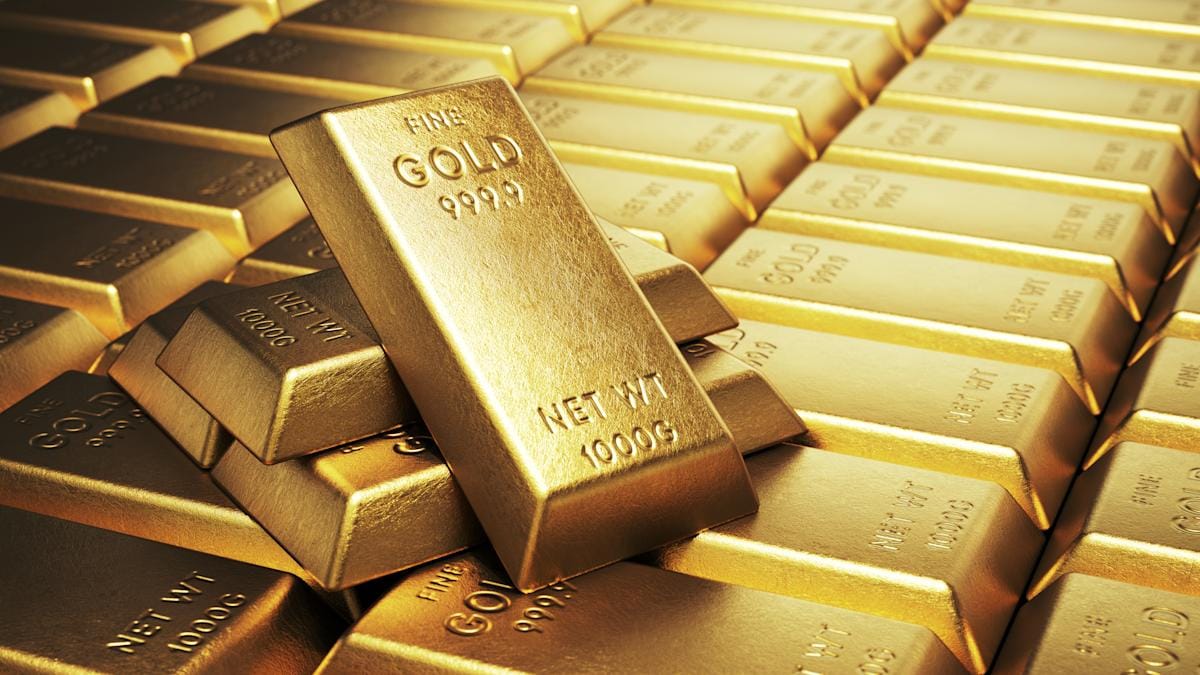
Gold and silver have achieved consecutive record highs this year, captivating investors and analysts alike. This remarkable surge is being propelled by a confluence of factors, notably a weakening U.S. dollar which is significantly boosting the appeal of these traditional safe-haven assets.
The Federal Reserve’s recent decision to hold interest rates steady has also played a crucial role in the precious metals rally. By maintaining current rates, the Fed has indirectly contributed to a ‘debasement trade,’ encouraging investors to seek tangible assets like gold and silver as a hedge against potential inflation and currency devaluation.
Powell Addresses Gold Rally and Market Concerns
Federal Reserve Chair Jerome Powell found himself addressing the soaring prices of gold and silver during a recent press conference. When directly questioned about the U.S. potentially ‘losing credibility’ and its link to the precious metals’ ascent, Powell offered a response that some investors perceived as a deflection.
While the exact phrasing of Powell’s comments indicated a move away from a direct acknowledgement of the market’s concerns, the very fact that the question was posed highlights the significant attention the gold and silver market’s performance is attracting from both financial circles and the broader public.
Market Depth and Speculative Flows Under Scrutiny
Despite the record-breaking performance, a segment of market analysts is voicing caution. They point to the increasing influence of speculative flows, suggesting that these can amplify price movements beyond what fundamental market conditions might otherwise dictate.
The concern revolves around the relatively thin market depth for precious metals. This means that even modest inflows of capital can have a disproportionately large impact on prices, potentially leading to increased volatility and making the market more susceptible to rapid swings. This scenario raises questions about the sustainability of the current rally and the overall health of the precious metals market.
The ‘Debasement Trade’ and the Weakening Dollar
The narrative surrounding the current gold and silver rally is heavily influenced by the concept of the ‘debasement trade.’ This occurs when investors fear that the purchasing power of fiat currencies is being eroded, often due to expansionary monetary policies or rising national debt.
A weaker U.S. dollar is a key catalyst for this trade. As the dollar loses value against other currencies and assets, gold and silver, priced internationally in dollars, become relatively cheaper for holders of other currencies. This increased affordability, coupled with the perceived hedge against currency devaluation, drives demand and pushes prices higher.
Gold futures, for instance, surged above $5,500 per ounce on Wednesday, a clear indication of this trend. This price point not only signifies a new record but also underscores the powerful impact of macroeconomic forces on the precious metals market.
Historical Context of Gold as a Safe Haven
Gold has long been revered as a quintessential ‘safe-haven’ asset. Throughout history, in times of economic uncertainty, geopolitical instability, or high inflation, investors have traditionally turned to gold to preserve their wealth.
This perception is rooted in gold’s intrinsic value, its limited supply, and its historical role as a store of value, independent of any single government’s monetary policy. Silver, while often more volatile than gold, shares this safe-haven characteristic, appealing to investors seeking protection against economic downturns.
Federal Reserve’s Role in Market Dynamics
The Federal Reserve’s monetary policy decisions are a critical determinant of gold and silver prices. The central bank’s actions, particularly concerning interest rates and quantitative easing, directly influence the attractiveness of holding non-yielding assets like precious metals.
When interest rates are low, the opportunity cost of holding gold and silver is reduced. Investors are less incentivized to hold interest-bearing assets like bonds, making gold and silver comparatively more attractive. Conversely, rising interest rates typically increase the appeal of traditional fixed-income investments, potentially dampening demand for precious metals.
The Fed’s recent decision to maintain interest rates, coupled with any forward guidance suggesting a prolonged period of low rates, creates an environment conducive to higher gold and silver prices. This steady-rate policy, combined with a weaker dollar, creates a powerful tailwind for the precious metals market.
Investor Psychology and Market Sentiment
The current surge in gold and silver prices is also influenced by investor psychology and market sentiment. Positive momentum, driven by record highs, can attract more buyers who fear missing out on further gains. This can create a self-reinforcing cycle, at least in the short term.
However, sentiment can shift rapidly. Concerns about market bubbles, speculative excess, or changes in central bank policy can quickly turn bullish sentiment into bearish, leading to sharp price corrections. The warnings from analysts about thin market depth highlight this potential for rapid shifts.
Economic Indicators Driving the Rally
Several underlying economic indicators are contributing to the favorable environment for gold and silver. Persistent inflation concerns, albeit fluctuating, continue to be a backdrop for investor decision-making.
Geopolitical tensions around the globe also play a role. International conflicts and political instability often lead investors to seek the perceived safety of precious metals, further bolstering demand. These global uncertainties add another layer of support to the ‘safe-haven’ narrative.
The ongoing debate about the sustainability of economic growth in major economies also influences investor behavior. In periods of economic uncertainty, the tangible value of gold and silver provides a psychological anchor for many.
The Future Outlook for Precious Metals
The future trajectory of gold and silver prices will likely depend on a complex interplay of factors. The direction of the U.S. dollar, future monetary policy decisions by the Federal Reserve and other major central banks, and the evolution of global economic and geopolitical landscapes will all be critical.
While the current momentum is strong, investors and analysts will be closely monitoring market depth, speculative activity, and any shifts in central bank rhetoric. The ability of the market to absorb inflows without excessive volatility will be a key indicator of its underlying health and the sustainability of these record-breaking price levels.
The market’s resilience in the face of potential headwinds, such as a strengthening dollar or a shift towards more hawkish monetary policy, will ultimately determine whether this period of record highs represents a sustained new phase for precious metals or a temporary speculative bubble.