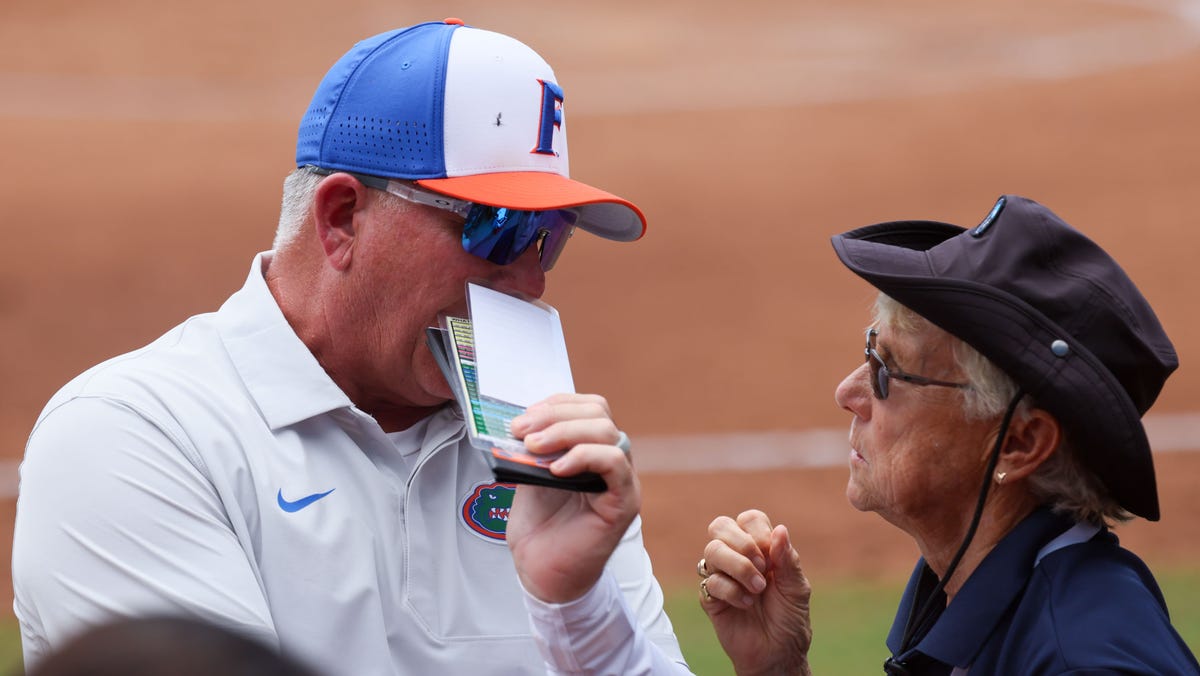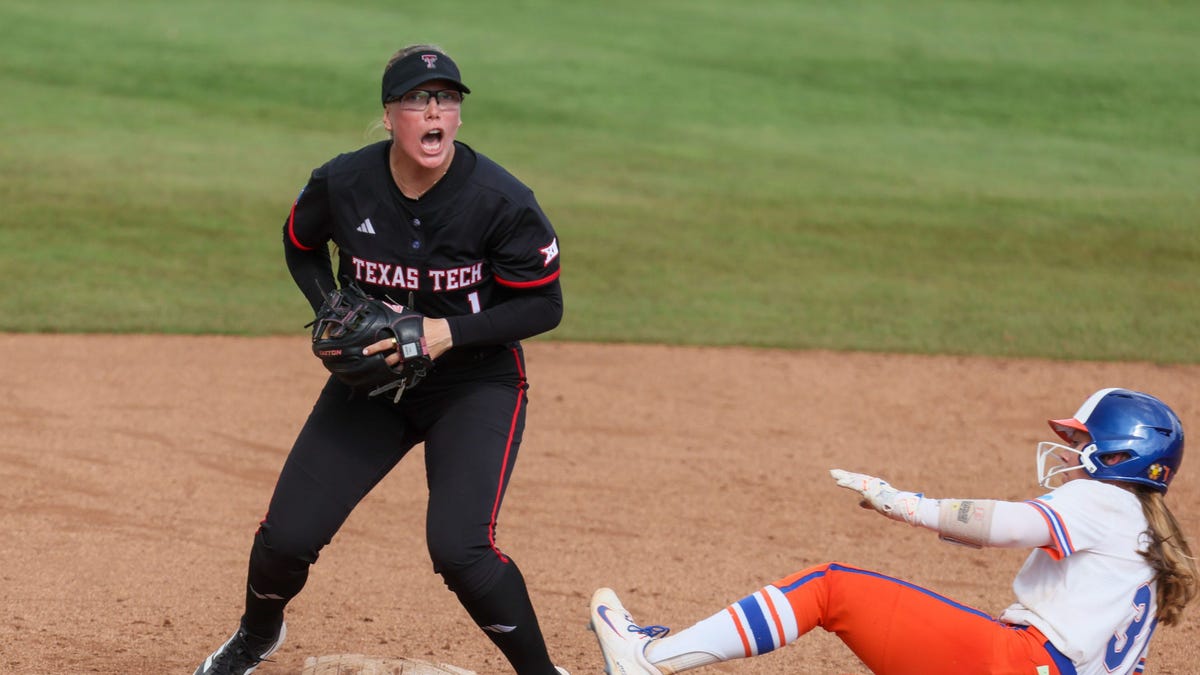
Walton’s Ejection Amidst High-Stakes Regional
Florida softball coach Tim Walton was ejected in the fifth inning of a critical NCAA Super Regional game against Texas Tech. The Gators trailed 16-7 when home plate umpire Paul Edds made the call, reportedly for arguing balls and strikes. This marked Walton’s first ejection of the season, intensifying scrutiny on the team’s performance and coaching decisions during a pivotal juncture.
Allegations of Strategic Ejection Surface
The circumstances surrounding Walton’s ejection have prompted allegations of a premeditated strategy to avoid a post-game handshake. Former Florida athlete Jason Williams, father of Texas Tech standout Mia Williams, suggested that Walton orchestrated his own removal to circumvent a personal interaction with his former player. Mia Williams, a key infielder, transferred from Florida to Texas Tech after the previous season, adding a layer of personal history to the competitive landscape.
Transfer Portal Dynamics and Competitive Leverage
Mia Williams’ transfer from Florida to Texas Tech highlights the increasing influence of the transfer portal in collegiate athletics. Texas Tech has actively recruited high-profile transfers, positioning itself as a competitive force. This influx of talent has reshaped rosters and intensified rivalries, creating complex interdependencies between programs and athletes.
Coaching Strategy and Interpersonal Dynamics
The alleged motive behind Walton’s ejection—avoiding a handshake with a former player—underscores the intricate interplay between coaching strategy, institutional reputation, and personal relationships. Such actions, if intentional, could reflect a broader trend of coaches employing unconventional tactics to manage competitive pressures and interpersonal dynamics, raising questions about ethical boundaries within collegiate sports.
Umpiring Decisions and Game Management
The ejection, stemming from arguments over balls and strikes, points to the inherent subjectivity in umpiring and its potential to influence game outcomes. The report of a prior warning to the Texas Tech dugout suggests heightened officiating engagement. Walton’s postgame statement, indicating ejection without a prior warning and minimal verbal exchange, complicates the narrative surrounding the umpire’s decision-making process.
Institutional Response and Performance Metrics
The Gators’ significant deficit at the time of the ejection, coupled with the team’s ultimate loss, places considerable pressure on the Florida program. Post-season performance is a critical metric for evaluating coaching effectiveness and program trajectory, especially for a team with aspirations of reaching the Women’s College World Series. The outcome has direct implications for recruitment, team morale, and the perceived strength of the Florida softball program.
Media Scrutiny and Stakeholder Perceptions
The involvement of Jason Williams in commenting on the situation amplifies media attention. His accusation against Walton injects a personal narrative into the competitive context, drawing attention to the emotional and relational aspects of collegiate sports. This public commentary can influence how fans, recruits, and other stakeholders perceive the integrity of the competition and the conduct of participants.
Strategic Implications of Player Movement
Mia Williams’ transfer from Florida to Texas Tech is emblematic of a larger shift where athletes leverage the transfer portal for new opportunities. For programs like Florida, managing roster stability and player retention becomes a strategic imperative. The loss of a significant contributor necessitates adjustments in team strategy and player development to maintain a competitive edge.
Competitive Landscape and Program Reputation
Texas Tech’s success in attracting transfers and its subsequent performance demonstrate a strategic approach to building a championship contender. This contrasts with the challenges Florida may face in retaining talent and adapting to evolving player movement dynamics. Competitive balance is increasingly influenced by transfer trends, impacting program visibility and long-term success.
Future Coaching Conduct and Ethical Considerations
The controversy surrounding Walton’s ejection serves as a case study in the pressures and ethical considerations faced by coaches. Balancing competitive ambition with sportsmanship and professional conduct is paramount. Future coaching decisions will likely be viewed through the lens of this incident, potentially influencing institutional policies.
Impact on Athlete Development and Well-being
Incidents like these can profoundly impact athlete development. The pressure to perform, navigate complex dynamics, and manage scrutiny can be immense. Understanding the motivations and consequences of coaching decisions is crucial for fostering a healthy environment for student-athletes.
The Evolving Nature of Collegiate Sports Rivalries
The narrative around Mia Williams and Tim Walton illustrates how collegiate rivalries incorporate personal histories and transfer dynamics alongside traditional competition. These evolving dynamics challenge established norms of sportsmanship and require a nuanced understanding of motivations and strategies.
Umpire Authority and Accountability
The source indicates Walton’s ejection was for arguing balls and strikes. However, context provided by Jason Williams suggests potential misapplication of authority or deliberate provocation, raising questions about umpire training and accountability within governing bodies.
Media’s Role in Shaping Narratives
The amplification of Jason Williams’ comments by media channels demonstrates their significant role in constructing narratives. Framing Walton’s ejection as potentially premeditated shifts focus from the game’s technical aspects to personal and strategic motivations, with lasting effects on reputations.
Strategic Roster Management in a Competitive Era
Mia Williams’ transfer highlights the strategic importance of roster management. Programs effectively recruiting and retaining talent gain a competitive advantage. Florida’s situation underscores the challenges of maintaining roster continuity and the imperative to adapt to player mobility.
The Psychology of Competition and Avoidance
The alleged desire by Walton to avoid shaking hands introduces a psychological dimension. This could stem from professional disappointment, animosity, or a calculated attempt to exert pressure, influencing strategic decisions and conduct.
Programmatic Stability and Coaching Tenure
A program’s performance, especially in post-season games, directly impacts coaching tenure. A significant loss and controversial ejection create pressure for institutional review, affecting recruitment, morale, and program strength.
The Transfer Portal as a Strategic Tool
For programs like Texas Tech, the transfer portal is a vital tool for rapid team building. Acquiring experienced players like Mia Williams elevates a team’s prospects, forcing traditional powerhouses to develop robust retention and recruitment strategies.
Umpire-Coach Interaction Protocols
The incident implicitly raises questions about protocols for umpire-coach interactions. The reported lack of a prior warning suggests a potential breakdown in standard communication or swift escalation, prompting a review of how such interactions are managed.
Reputational Risk in Collegiate Athletics
Allegations of unsportsmanlike conduct can tarnish a program’s image. The public nature of collegiate sports means incidents like Walton’s ejection are widely disseminated, impacting recruitment and institutional standing. Managing reputational risks requires ethical conduct and transparent communication.
The Future of Player-Coach Relationships
The dynamic between coaches and players, particularly regarding transfers, is complex. Increased athlete agency requires coaches to adapt their approaches to player development and communication to maintain productive relationships.
Competitive Intensity and Emotional Outbursts
The high stakes of NCAA Super Regionals breed intense competition, leading to emotional outbursts. Walton’s ejection is a manifestation of this pressure. Understanding the psychological toll of such environments is crucial for athletes, coaches, and officials.
Institutional Oversight and Athletic Department Policies
Incidents involving coach conduct fall under institutional oversight. Universities must ensure coaches adhere to ethical standards. The Florida athletic department will likely review the circumstances to determine policy violations and consider preventative actions.
The Impact of Transfers on Team Cohesion
Mia Williams’ departure and subsequent success at Texas Tech raise questions about team cohesion. While transfers can bring talent, they can also disrupt dynamics. The Gators’ performance might be indirectly linked to maintaining cohesion after key player movements.
Strategic Communication in Crisis Management
Following a controversial event, strategic communication is paramount. Walton’s comments represent an initial attempt to frame the narrative. The effectiveness of this strategy will be critical in managing public perception and mitigating reputational damage.
The Role of Third-Party Endorsements in Disputes
Jason Williams’ intervention lends significant weight to allegations, influencing media and public perception. This highlights the role of influential third parties in shaping discourse around disputes in collegiate sports.
Performance Leverage and Coaching Accountability
Coaching accountability is heavily tied to performance metrics. The Gators’ elimination and the ejection controversy place Walton under increased scrutiny regarding team performance and player management. Achieving high-level results drives coaching longevity.
Evolving Athlete Agency and Programmatic Adaptation
The narrative underscores evolving athlete agency, especially with the transfer portal. Florida must adapt its strategic planning to account for increased player mobility, focusing on fostering loyalty and sustained success.
The Influence of Transfer Hubs in College Sports
Texas Tech’s success with transfers indicates programs strategically leveraging the portal for roster building. This creates a new dimension where attracting transfer talent can be as crucial as traditional recruiting.
Postgame Handshake Etiquette and its Significance
The postgame handshake is a traditional gesture of sportsmanship. Alleged avoidance of this ritual deviates from expected conduct, elevating the incident beyond an officiating dispute to broader cultural norms of respect.
The Interplay of Personal and Professional in Sports
The situation illustrates the blurred lines between personal relationships and professional conduct. Personal histories and emotions can influence decisions and interactions, especially under significant competitive stakes.
Umpire’s Discretion and Game Flow Management
The umpire’s role involves managing game flow. Ejecting a coach without warning suggests a perceived severity or a deliberate assertion of authority, highlighting the significant discretion umpires possess.
The Long-Term Impact on Player-Coach Relationships
The incident could have lasting implications for relationships between coaches and players, influencing future interactions within the softball community.
Institutional Responsibility in Maintaining Sportsmanship
Collegiate athletic departments must uphold sportsmanship and ethical conduct. Florida’s response will demonstrate its commitment, including investigating circumstances and reinforcing expectations for coach behavior.
The Strategic Value of Roster Stability
Roster stability is a key asset for sustained success. Programs retaining core players benefit from improved chemistry. Florida’s situation underscores the importance of strategic player retention alongside recruitment.
The Narrative Power of Athlete Transfers
The story of Mia Williams is a compelling narrative highlighting the human element of sports, where personal journeys and competitive outcomes intertwine, leading to heightened emotional investment.
Umpiring as a Performance Metric
While not a traditional metric, consistent and fair umpiring influences the perception of a game’s integrity. Officiating controversies can detract from athletic achievements and raise questions about competition quality.
The Influence of Transfer Portals on Program Trajectories
Strategic portal use by programs can dramatically alter competitive trajectories. This forces traditional powerhouses to re-evaluate recruitment and retention strategies to remain at the forefront.
Coaching Adaptability in a Changing Landscape
The evolving landscape demands adaptability from coaches. Walton’s situation may reflect the challenges of navigating new dynamics while maintaining responsibilities and institutional values.
The Broader Implications for Collegiate Athletics
This incident highlights the complexity of managing athlete relationships, competitive pressures, and public scrutiny in an era of increased athlete mobility and media attention. How institutions navigate these challenges will shape college sports’ future.