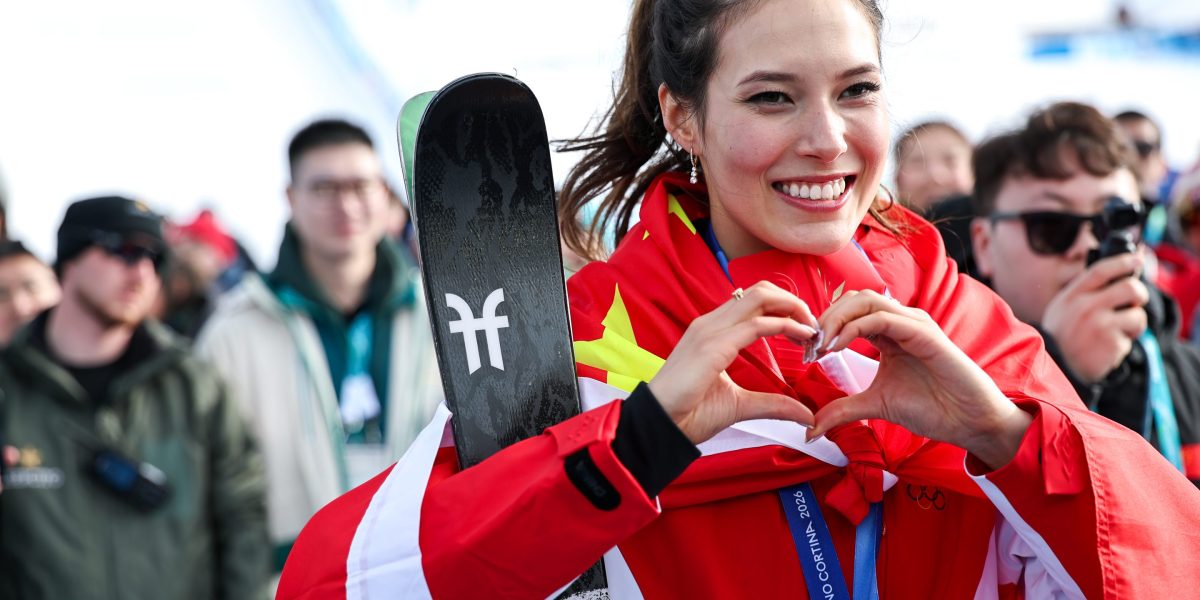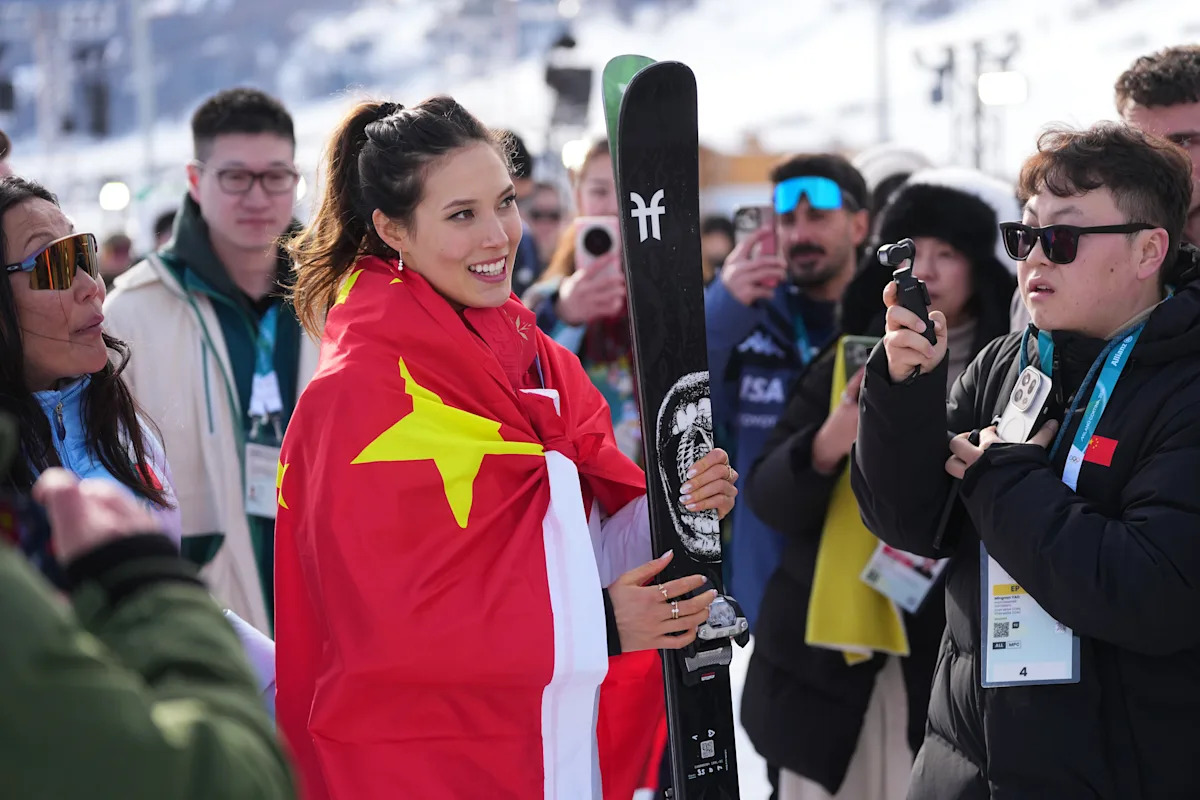
The ascent of Eileen Gu transcends traditional athletic dominance; it signals the maturation of the ‘individual-as-enterprise’ model. By age 22, Gu has effectively decoupled her commercial valuation from the standard constraints of national loyalty. Operating as a sovereign corporate entity—Eileen Gu, Inc.—she utilizes her dual-market heritage to execute a sophisticated form of brand arbitrage, capturing market share in both the United States and China simultaneously.
The Economics of the Sovereign Athlete
Gu’s annual revenue of $23.1 million ranks her among the world’s highest-paid female athletes, yet her financial architecture is uniquely resilient. Unlike traditional professionals whose wealth is tied to competitive prize money, Gu’s capital is primarily derived from high-margin endorsements with global conglomerates like Porsche and LVHM. This shift reflects a move toward brand equity over physical labor, where the athlete’s persona functions as a diversified asset portfolio rather than a seasonal performance metric.
Her enrollment at Stanford University serves as a strategic hedge against the inherent volatility of professional sports. By maintaining academic rigor alongside global modeling and endorsement obligations, she maximizes her relevance across elite intellectual and commercial demographics. This dual-track existence ensures institutional legitimacy, providing a pivot point for a post-athletic career in global leadership or venture capital.
Geopolitical Strategic Ambiguity
Gu’s 2019 decision to represent China while maintaining American roots is a masterclass in strategic ambiguity. This maneuver allowed her to access state-sponsored athletic infrastructure in the East while retaining the cultural soft power of the West. The resulting media friction in the U.S. has not hindered her; rather, it has amplified her visibility, converting geopolitical tension into a unique form of brand exposure that competitors cannot replicate.
Her disciplined reticence regarding international relations is a foundational requirement of her business model. By avoiding partisan discourse, Gu preserves her ‘neutral asset’ status, which is essential for navigating the polarized U.S.-China consumer landscape. Her academic focus on International Relations at Stanford further codifies this intent, suggesting a calculated effort to master the geopolitical frameworks she currently inhabits.
Institutional Disruption and the Future of Sports
The ‘Gu Model’ challenges the legacy power dynamics between athletes and national governing bodies. By prioritizing personal brand autonomy over traditional nationalistic narratives, she asserts a level of independence that forces sports institutions to reconsider their value proposition to high-net-worth athletes. This shift suggests a future where elite competition is merely a marketing channel for a larger, independent commercial ecosystem.
As she approaches the 2026 Milan-Cortina cycle, the sustainability of this model depends on her ability to balance these disparate roles. For sponsors, she remains a low-risk, high-reward investment due to her operational discipline and scandal-free public image. Ultimately, Eileen Gu is not just a skier; she is a blueprint for the 21st-century athlete—an individual who operates with the strategic complexity of a multinational corporation.