Strategic Implications of Disney World’s Big Thunder Mountain Overhaul
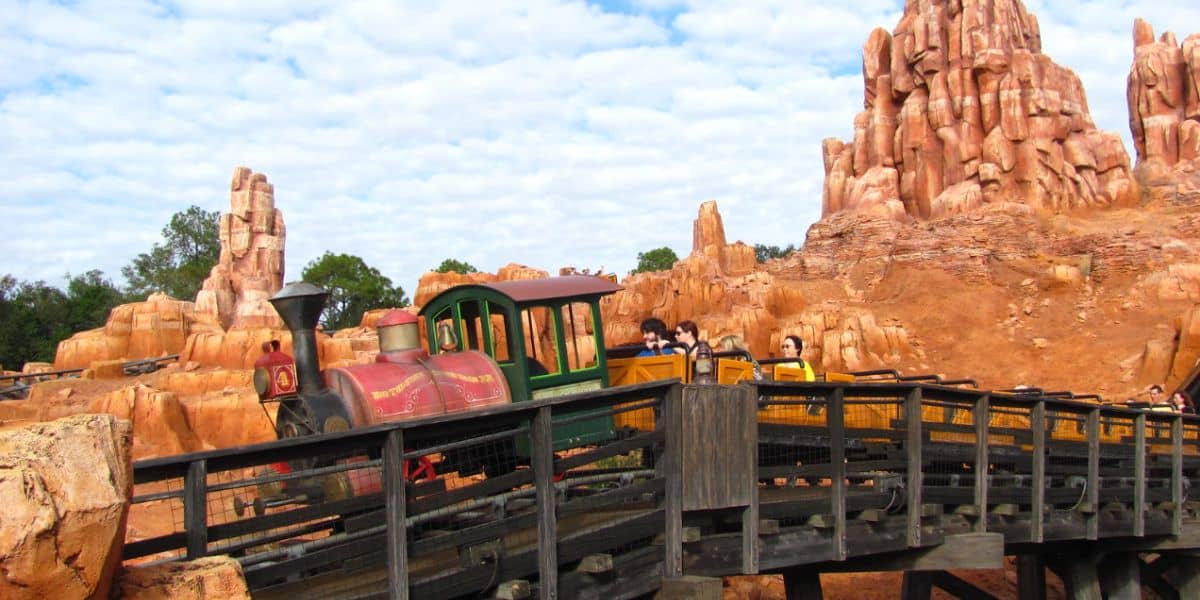
Walt Disney World Resort has confirmed the reopening of Big Thunder Mountain Railroad on May 3, following an extensive 15-month refurbishment. The attraction, which first opened in 1980, underwent what Disney described as its most intensive overhaul ever. This project signifies a significant strategic capital expenditure focused on long-term asset lifecycle management, leveraging a legacy asset to optimize operational efficiency and expand demographic reach, rather than solely investing in new attractions.
Operational Resilience and Revenue Yield Optimization
The extended closure of a high-capacity, anchor attraction like Big Thunder Mountain Railroad created a substantial operational challenge. High-demand attractions function as critical pressure relief valves, absorbing large volumes of guests and preventing bottlenecks in other areas of Magic Kingdom. Removing this capacity for 15 months forced operational adjustments across the park to absorb redirected demand and maintain guest satisfaction during the extended closure period.
The reopening restores a critical component of the park’s operational equilibrium, allowing for more efficient guest distribution and queue dynamics. Furthermore, the ride’s high demand makes it a key driver for premium revenue streams, specifically Genie+ and Individual Lightning Lane purchases. Its absence reduced the overall value proposition of the Genie+ service and shifted demand, potentially impacting pricing flexibility and wait times for other attractions. The return of Big Thunder Mountain allows for a rebalancing of the premium access inventory, enabling more effective revenue yield management for the resort.
Asset Lifecycle Management and Demographic Expansion
The intensive refurbishment represents a strategic shift from standard maintenance to comprehensive asset renewal. For an attraction operating since 1980, this investment extends the operational life of the asset for decades, leveraging existing brand equity rather than incurring the higher costs and risks associated with building an entirely new attraction. This approach maintains brand continuity and capitalizes on established guest affinity while ensuring long-term structural integrity and technological relevance.
A key strategic element of the overhaul is the reduction of the height requirement from 41 inches to 38 inches. This demographic expansion move increases the addressable market for the ride, particularly targeting families with younger children (ages 3-5). By making the attraction accessible to more family members, Disney enhances the value proposition for multi-generational visits and increases potential overall throughput by including more guests in the eligible pool.
Brand Equity and Competitive Positioning
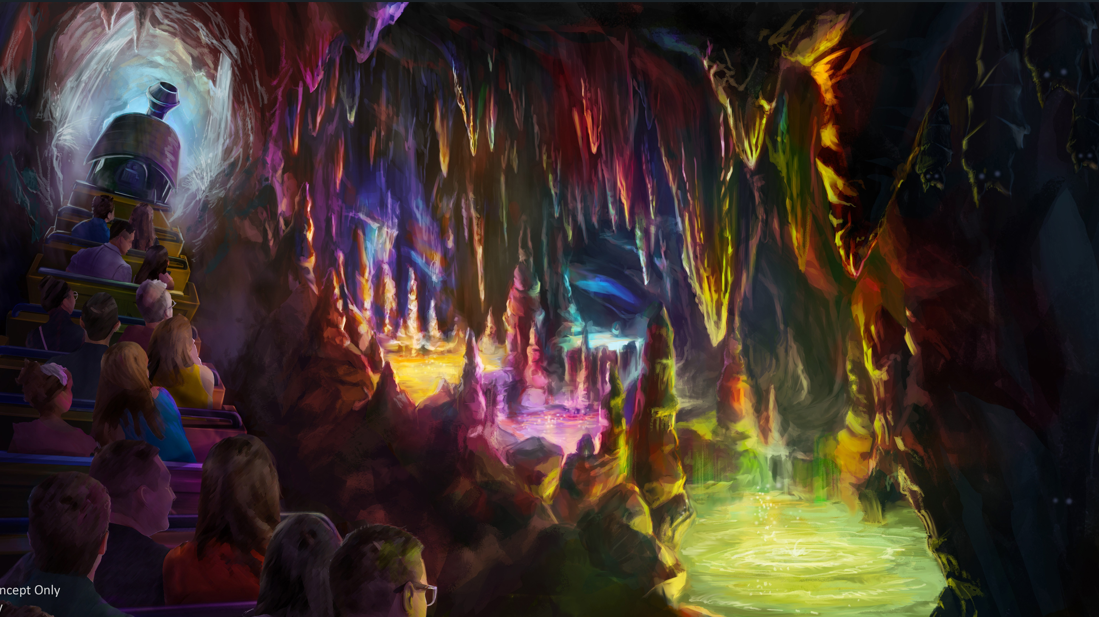
This investment in a legacy asset differentiates Disney World from competitors often focused on integrating new, high-tech IP. The successful execution of a balanced refurbishment—introducing new elements like the ‘Rainbow Caverns’ while preserving the ride’s classic identity—is critical for maintaining long-term brand loyalty. This strategy leverages the deep emotional connection guests have with classic attractions, reinforcing the park’s position as a destination built on timeless experiences.
The successful completion of this complex project mitigates reputational risk associated with extended closures and demonstrates operational resilience. By prioritizing the renewal of classic attractions alongside new developments, Disney reinforces its competitive edge in a saturated market and signals to investors a commitment to maintaining long-term asset value and guest experience consistency.