
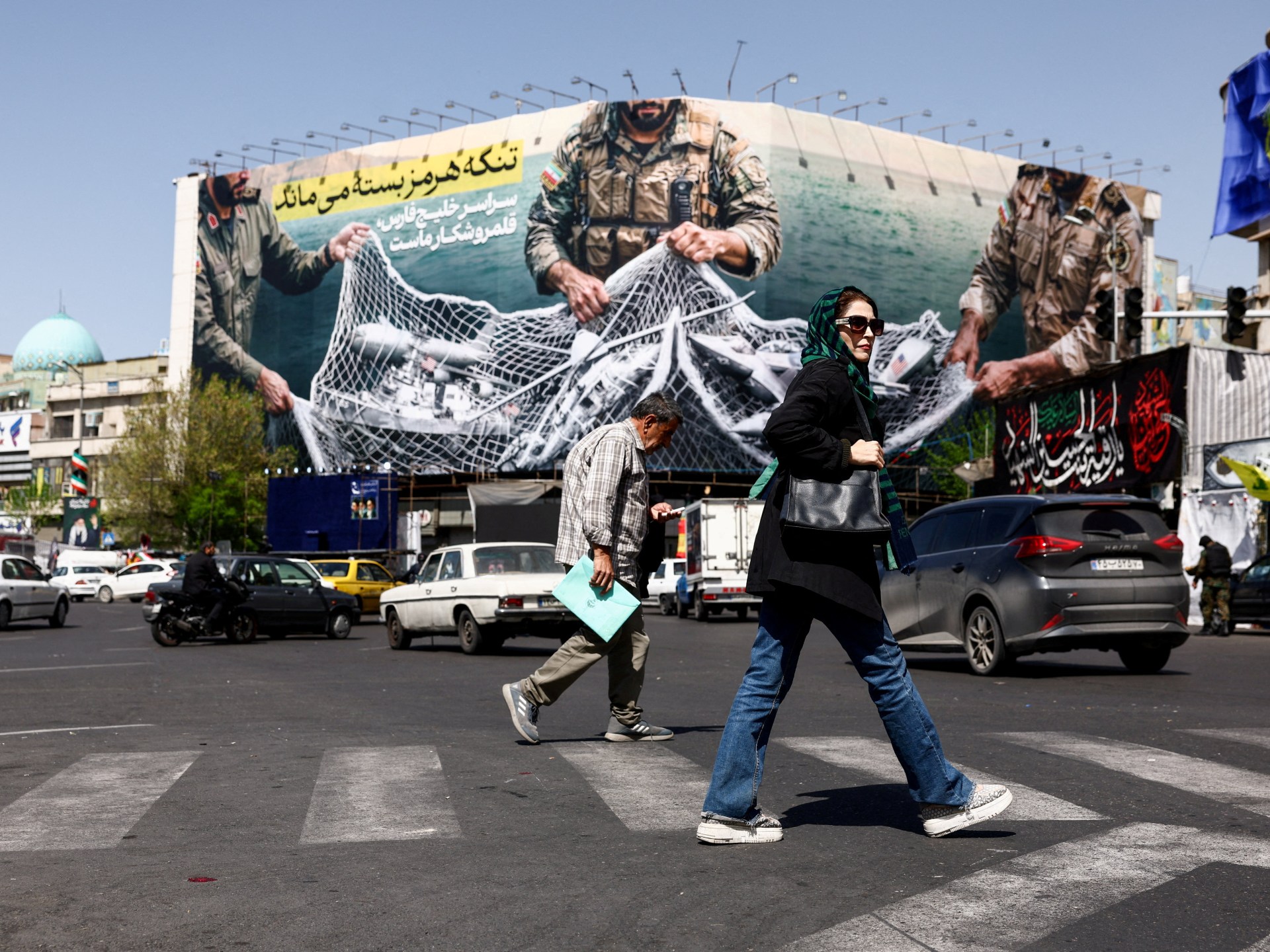
Diplomatic Stagnation and Regional Security
The cessation of direct diplomatic engagement between the United States and Iran marks a critical shift in Middle Eastern security architecture. This breakdown coincides with a self-imposed administration deadline regarding the status of the Strait of Hormuz, a narrow maritime artery essential to global energy supply chains.
The suspension of these channels eliminates a vital mechanism for de-escalation, forcing both nations to rely on public posturing and military signaling. Without a diplomatic backchannel, the probability of strategic miscalculation during routine naval maneuvers increases significantly.
Strategic Chokepoint Dynamics
The Strait of Hormuz is the world’s most vital oil transit point. Any disruption—kinetic or administrative—triggers immediate consequences for global commodity pricing. By linking the strait’s operation to the integrity of Iran’s internal infrastructure, the administration has elevated the maritime dispute to an existential level, targeting bridges, power grids, and essential civilian assets as potential bargaining chips.
The Erosion of Legal Norms
The threat to target civilian infrastructure challenges established international laws of armed conflict. While such assets are traditionally protected, the current discourse suggests a departure from these constraints. Institutional gridlock at the UN Security Council, exacerbated by the reluctance of major powers to align, highlights a systemic erosion of multilateral consensus, leaving regional actors vulnerable to uncontained conflict.
Economic Volatility and Systemic Risk
For Iran’s population, the looming deadline creates acute uncertainty. Beyond the humanitarian risk, financial markets are struggling to quantify the systemic danger of a potential waterway closure. Investors face the need to recalibrate energy futures and maritime insurance premiums, reflecting the potential for long-term degradation of the regional economic architecture.
Escalation Without Deterrence
The failure of direct diplomacy signals a transition from containment to active confrontation. The absence of communication channels prevents the clarification of ‘red lines,’ placing an immense burden on military commanders to interpret intentions in real-time. In this high-stakes environment, the margin for error is effectively zero, where a minor incident risks triggering a broader, unintended escalation as global powers assess their strategic responses.

Photo by mokhaladmusavi on Pixabay.