Strategic Centralization of Biosecurity Infrastructure
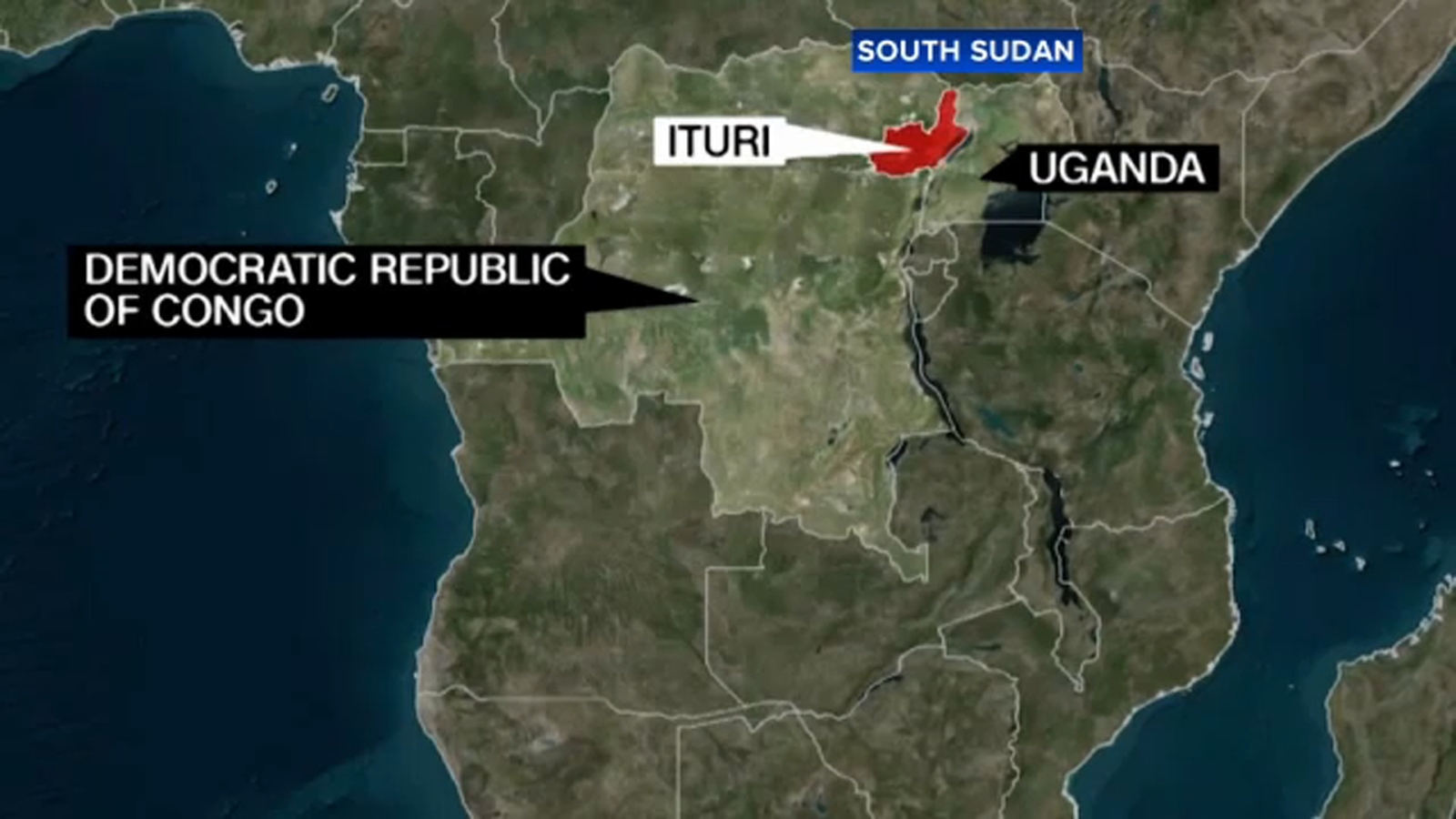
The Department of Homeland Security (DHS) has enacted a centralized arrival mandate, funneling all passengers with a 21-day travel history in the Democratic Republic of Congo (DRC), Uganda, or South Sudan through Washington-Dulles International Airport (IAD). This operational pivot transitions from distributed screening to a logistical bottleneck strategy, concentrating specialized public health resources to mitigate the entry of the Bundibugyo Ebola virus strain. By establishing a single point of entry, federal authorities aim to optimize the deployment of Centers for Disease Control and Prevention (CDC) personnel while acknowledging that the infrastructure for enhanced screening is too resource-intensive to sustain at every international gateway.
This 21-day temporal barrier aligns with the virus’s maximum incubation period, yet it introduces significant operational friction for the aviation sector. Airlines are now burdened with real-time manifest auditing and the liability of mid-air diversions. The recent diversion of a Detroit-bound flight to Canada highlights the high cost of non-compliance and the technical complexity of rerouting international traffic. Notably, the mandate excludes Pentagon-operated flights, a strategic carve-out that preserves military mobility while tightening controls on commercial and private travel.
Epidemiological Shifts and Urban Transit Risks
The current outbreak has reached a critical inflection point as confirmed cases migrate from rural provinces to major urban nodes like Goma, Bunia, and Kampala. Unlike rural transmission, urban outbreaks leverage high-density transit networks, significantly elevating the probability of international spread. With over 600 suspected cases and the involvement of frontline health workers, the breach of primary containment protocols suggests an erosion of local institutional capacity, prompting the DHS to shift toward more aggressive border controls.
The presence of the virus in Kampala—a primary logistical hub for East Africa—transforms the risk profile from accidental exposure to a systemic threat. When capital cities are compromised, international commerce faces a credibility crisis. The DHS’s focus on Dulles is a direct response to this perceived lack of local containment efficacy, prioritizing domestic security over regional economic continuity.
Institutional Friction and the Transparency Paradox
The Africa Centres for Disease Control and Prevention (Africa CDC) has voiced opposition, arguing that travel restrictions create a ‘transparency paradox.’ By imposing economic and social penalties on affected nations, such as the disruption of the DRC national football team’s schedule, these mandates may inadvertently disincentivize governments from reporting new cases. The fear of being blacklisted can drive movement toward unmonitored land borders, effectively blinding the global health community to the virus’s true trajectory.
Furthermore, these restrictions are often interpreted as a diplomatic lack of confidence in African public health infrastructure. This friction complicates the bilateral cooperation necessary for humanitarian aid and long-term containment. The Africa CDC posits that the U.S. focus on immediate domestic protection may undermine the international solidarity required to quell the outbreak at its source.
Economic Exposure and Regulatory Precedents
The economic impact extends beyond aviation to regional market stability. Travel mandates act as a de facto signal to investors, often triggering capital flight and reduced foreign direct investment (FDI). In the DRC, where cases have emerged in South Kivu—an area under rebel influence—the lack of medical surveillance in conflict zones introduces a layer of geopolitical uncertainty that justifies, in the eyes of the DHS, blanket restrictions on the entire nation regardless of specific origin points.
The regulatory precedent set by this order suggests a move toward pathogen-specific border control. By focusing on the biological characteristics of the Bundibugyo strain, the U.S. government is refining its biosecurity toolkit. However, the long-term viability of the ‘Dulles model’ depends on the private sector’s ability to manage data-tracking challenges for passengers transiting through third-country hubs like Dubai or Addis Ababa. Ultimately, the effectiveness of these measures will be measured by their ability to balance sovereign biosecurity with the imperatives of an interconnected global economy.